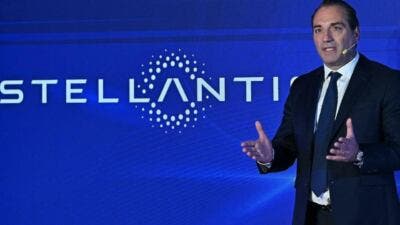
Stellantis has a brand-new plan to fix its production woes. It involves throwing a massive, buzzword-heavy cocktail of Artificial Intelligence, NVIDIA chips, and Accenture consultants at the problem.
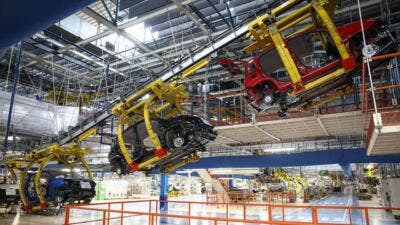
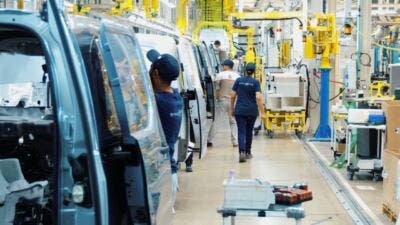
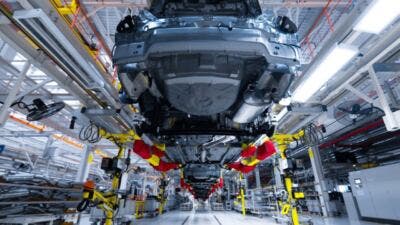
The automotive giant just announced a global strategic partnership to inject its factories with “digital twins”. Antonio Filosa hasn’t cloned himself to cut labor costs further; instead, the group is building ultra-realistic, dynamic virtual replicas of its physical manufacturing plants to simulate assembly lines before a single piece of sheet metal is stamped.
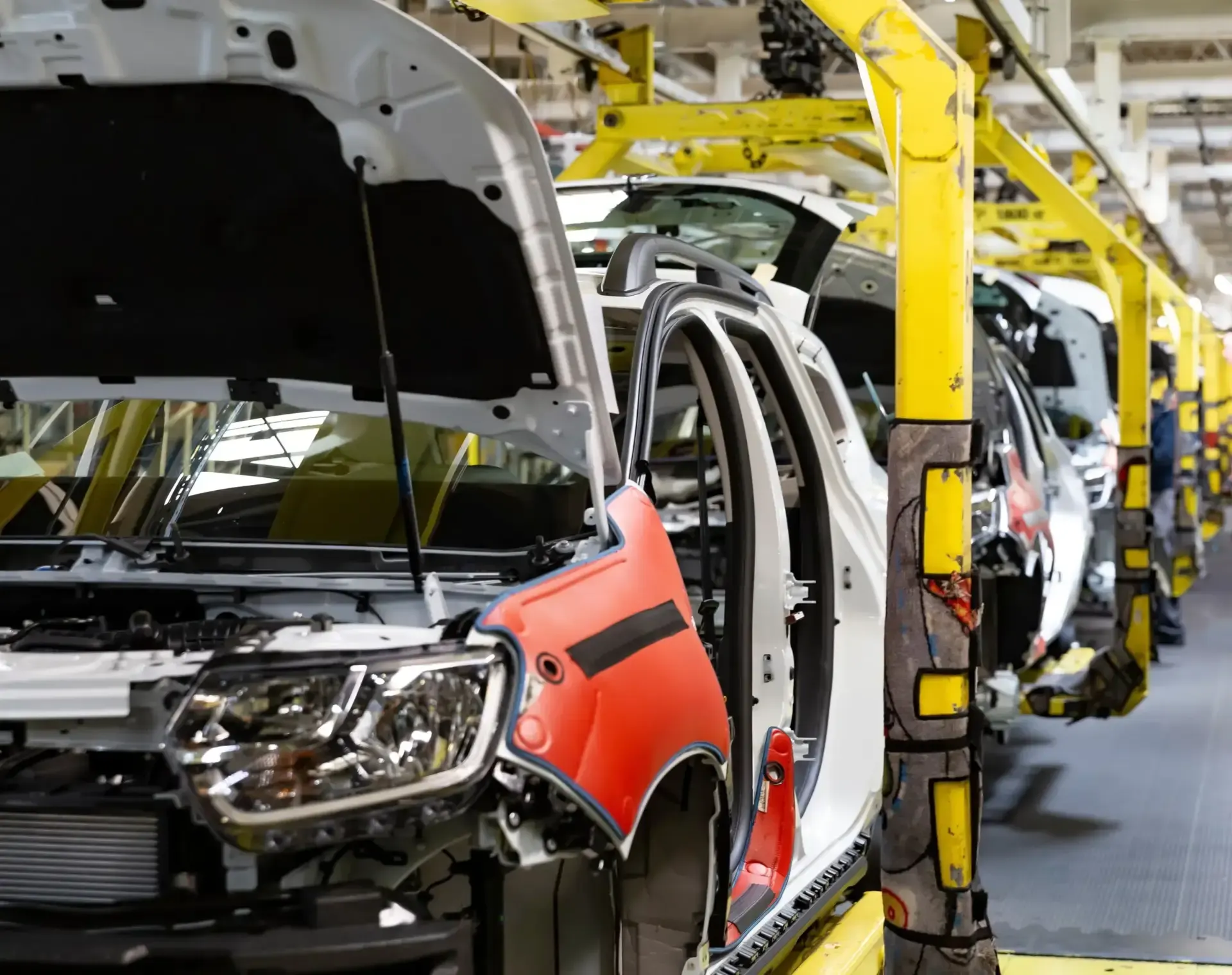
According to Francesco Ciancia, Stellantis’ Head of Manufacturing, the group is “laying the groundwork for the next generation of manufacturing”. That means they are desperately trying to make production more flexible and predictive. By utilizing NVIDIA’s high-performance computing and Omniverse libraries, the goal is to create an interactive, digital playground where algorithms can anticipate bottleneck disasters before they become multi-million-dollar realities on the actual shop floor.
The division of labor in this “marriage of convenience” is predictable. Stellantis brings the gritty automotive scars and manufacturing footprint, Accenture brings its digital transformation blueprints, and NVIDIA supplies the processing horsepower to keep the simulation from lagging. The grand vision is a perpetual, closed-loop conversation between the real world and the cloud. Physical factory data updates the digital twin, and the digital twin tells the factory how to do its job better, optimizing maintenance and quality control.
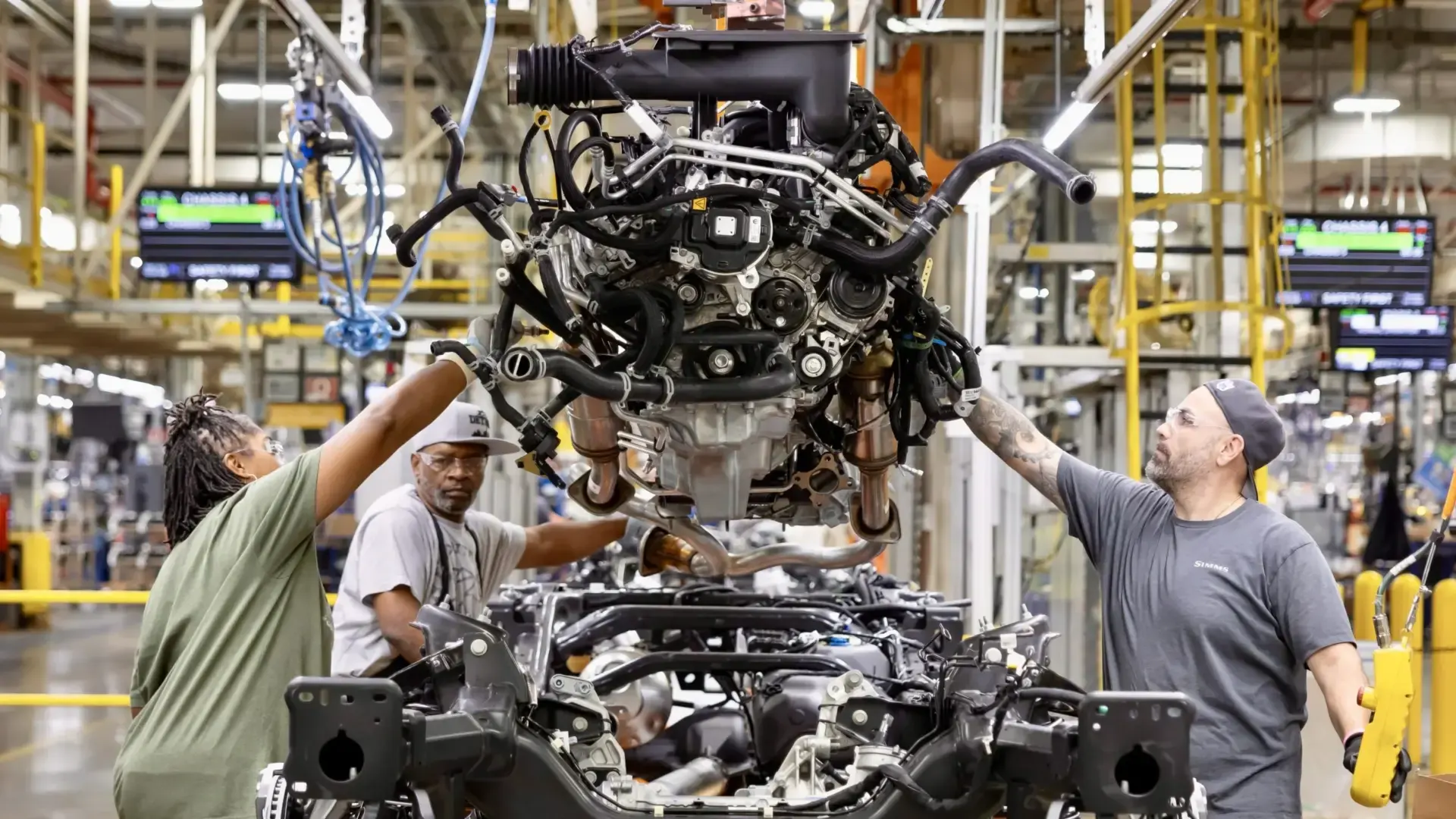
But don’t expect a sudden, flawless rollout at your local assembly plant just yet. This digital revolution is starting slow. The initial pilot projects are scheduled to drop in selected North American facilities in 2026. Only after analyzing the actual value generated in the Rust Belt will Stellantis decide whether to scale this Omni-virtual ecosystem across its entire global industrial network.
Whether these digital ghosts can successfully exorcise the very real, physical demons of automotive supply chains remains to be seen, but at least the simulations will look spectacular while trying.