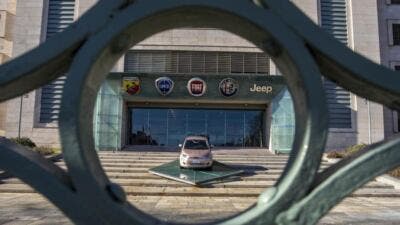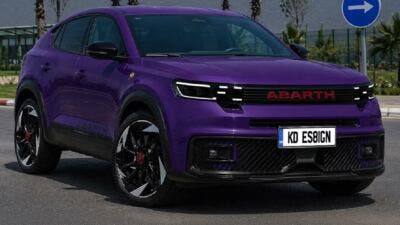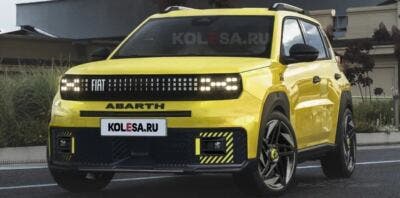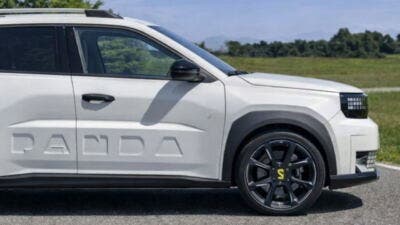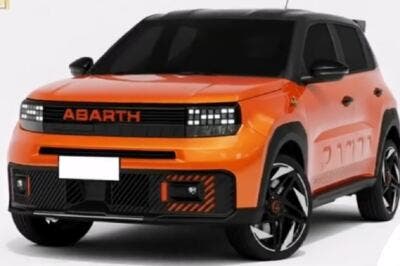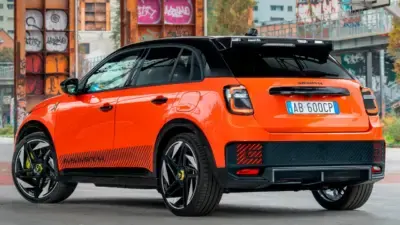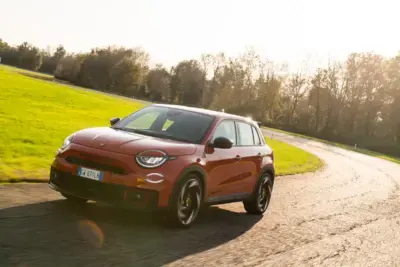
The faSTLAne 2030 plan has redefined Abarth’s place within the Stellantis portfolio, placing the Scorpion under Fiat’s umbrella no longer as a brand perceived as independent, but as the carmaker’s performance division. This choice follows an industrial rationalization logic, in line with Stellantis’ stated goal of eliminating overlaps and simplifying its brand structure. However, it still leaves major questions about the role Abarth can actually play in the coming years.
Abarth’s future under Fiat remains unclear after Stellantis’ faSTLAne 2030 plan
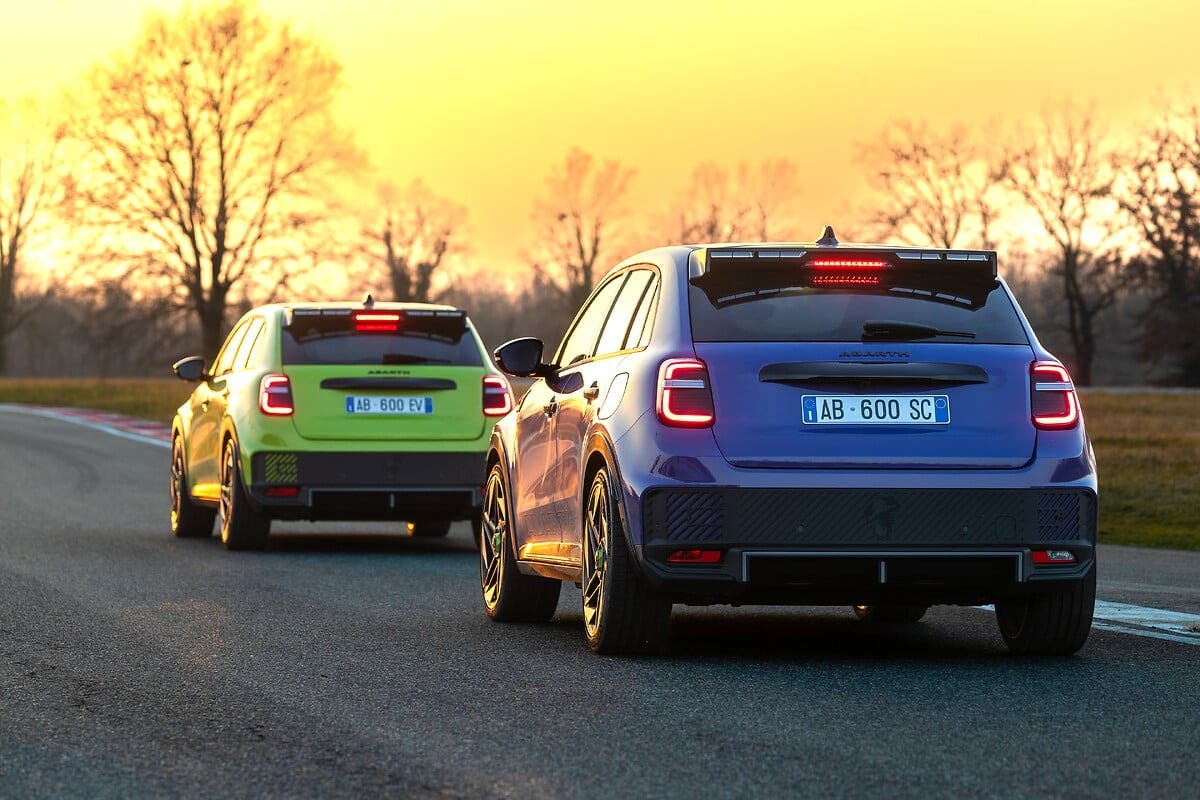
The current range only includes the 500e and 600e, two fully electric models that embody the Scorpion’s new identity during the energy transition. Stellantis, however, has not yet given any clear indication of future developments, either in terms of new models or technical architectures. It remains unclear whether Abarth will stay tied exclusively to electric powertrains or whether it could return to high-performance hybrid or combustion solutions.
That distinction would have a major impact on how the brand’s enthusiast base perceives its future. A clue may have emerged some time ago, when Abarth said it wanted to return to combustion engines after weak sales of its electric models. That statement, however, came before Stellantis’ new strategy, so the situation may have changed in the meantime.
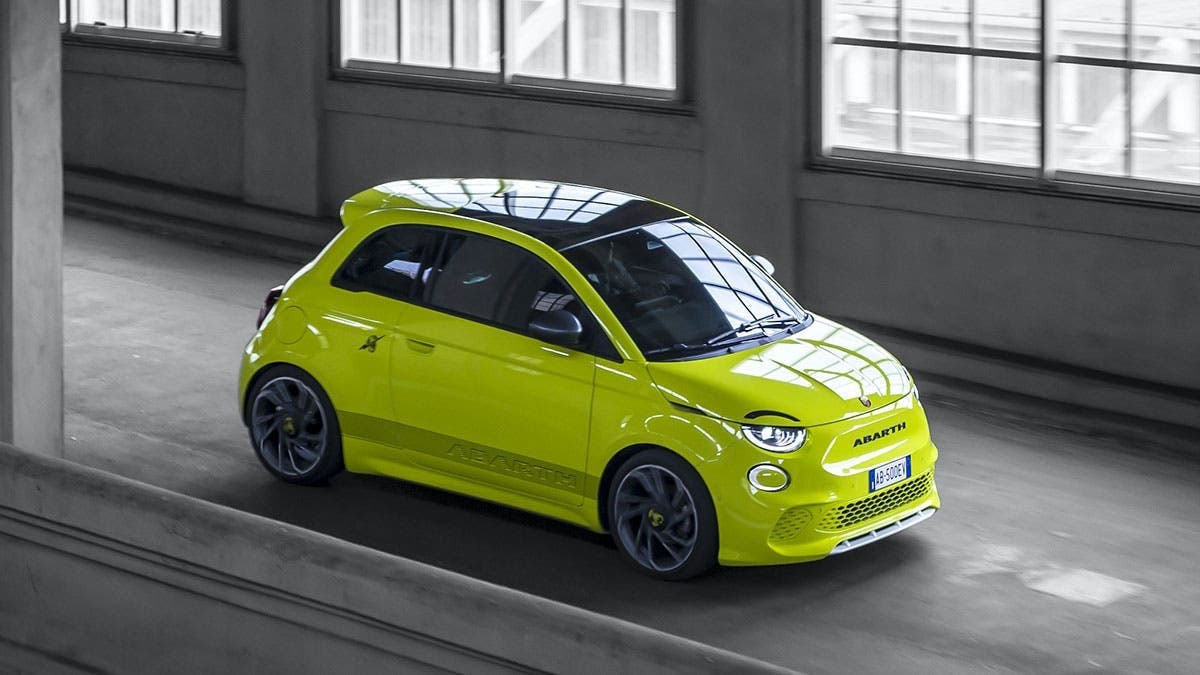
The tension between past and present stands out clearly. Abarth built its identity around compact, direct and physically engaging sportiness, made of sound, lightness and a close connection between driver and machine. The electric shift has delivered strong performance in terms of acceleration and instant torque, but it has inevitably sacrificed some of the elements that defined the Scorpion’s character in the eyes of long-time customers.
Without a specific and recognizable focus on chassis tuning, weight, dynamic behavior and sound identity, the difference between an electric Abarth and a simply more powerful electric Fiat risks looking too thin to justify a separate brand.
Two scenarios remain possible, and they would lead to very different outcomes. Abarth could become Fiat’s performance laboratory, with dedicated versions spread across several future models, or Stellantis could keep it limited to a few high-performance electric variants without any real expansion. Stellantis has not yet provided enough details to understand which direction it wants to take. The lack of a clear roadmap weighs on both the sales network and the Scorpion’s ability to keep enthusiasts engaged at a time when competition among performance divisions of mainstream carmakers continues to grow.