

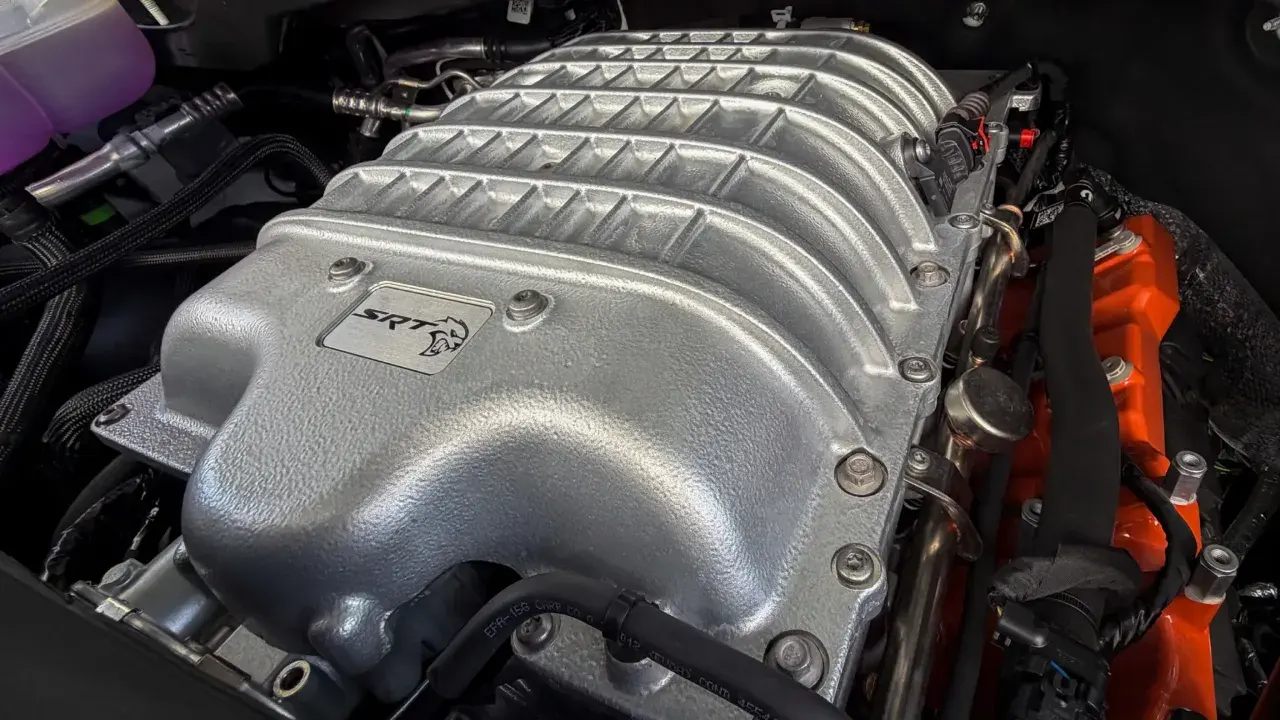
It turns out that the American obsession with large, gas-guzzling V8 engines was not just a passing phase or a severe case of collective nostalgia. Antonio Filosa clearly understood this long before unveiling Stellantis’ grand corporate master plan last May.
While his predecessor eagerly sacrificed the iconic powertrain on the altar of boardroom efficiency, Filosa decided to perform emergency open-heart surgery on the North American lineup. He brought back the noise, corrected the corporate trajectory, and American buyers responded the only way they know how: by buying everything in sight.
Preliminary data for the second quarter of 2026 shows exactly what happens when you give the market what it actually wants instead of what overpaid executives think they should want. Stellantis moved nearly 1.6 million vehicles globally, representing a solid 10% increase compared to the same period last year.
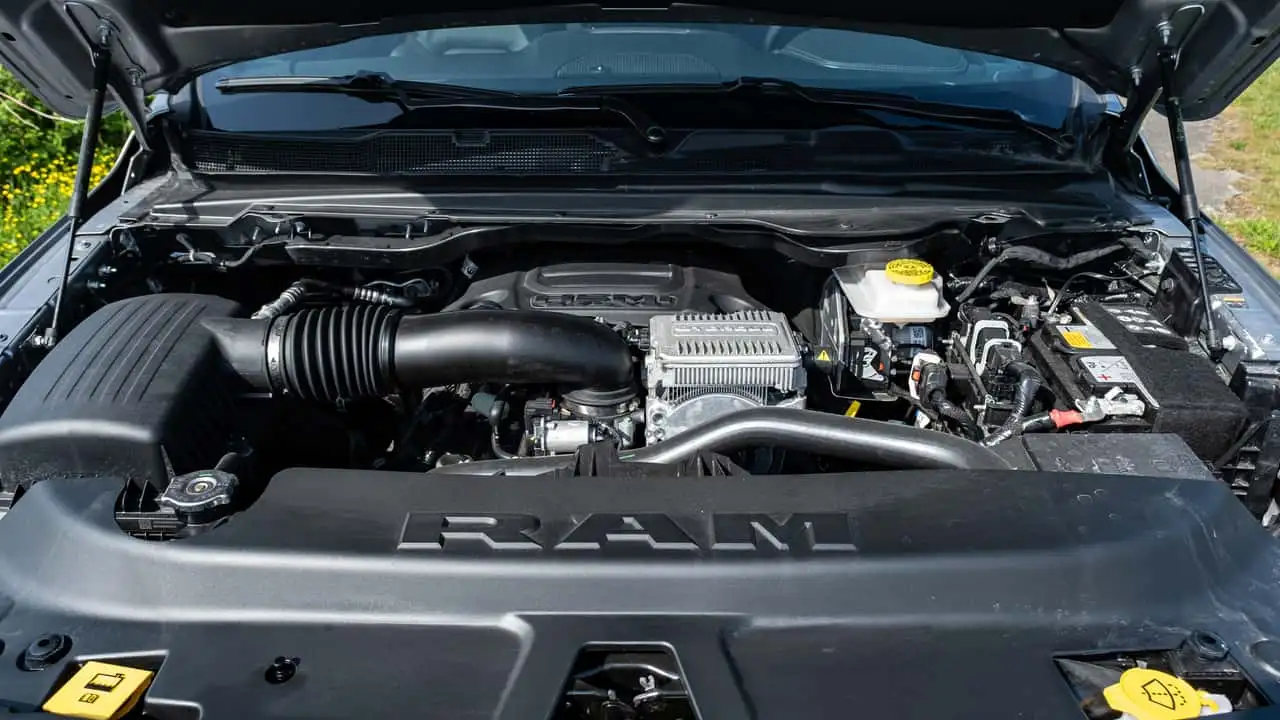
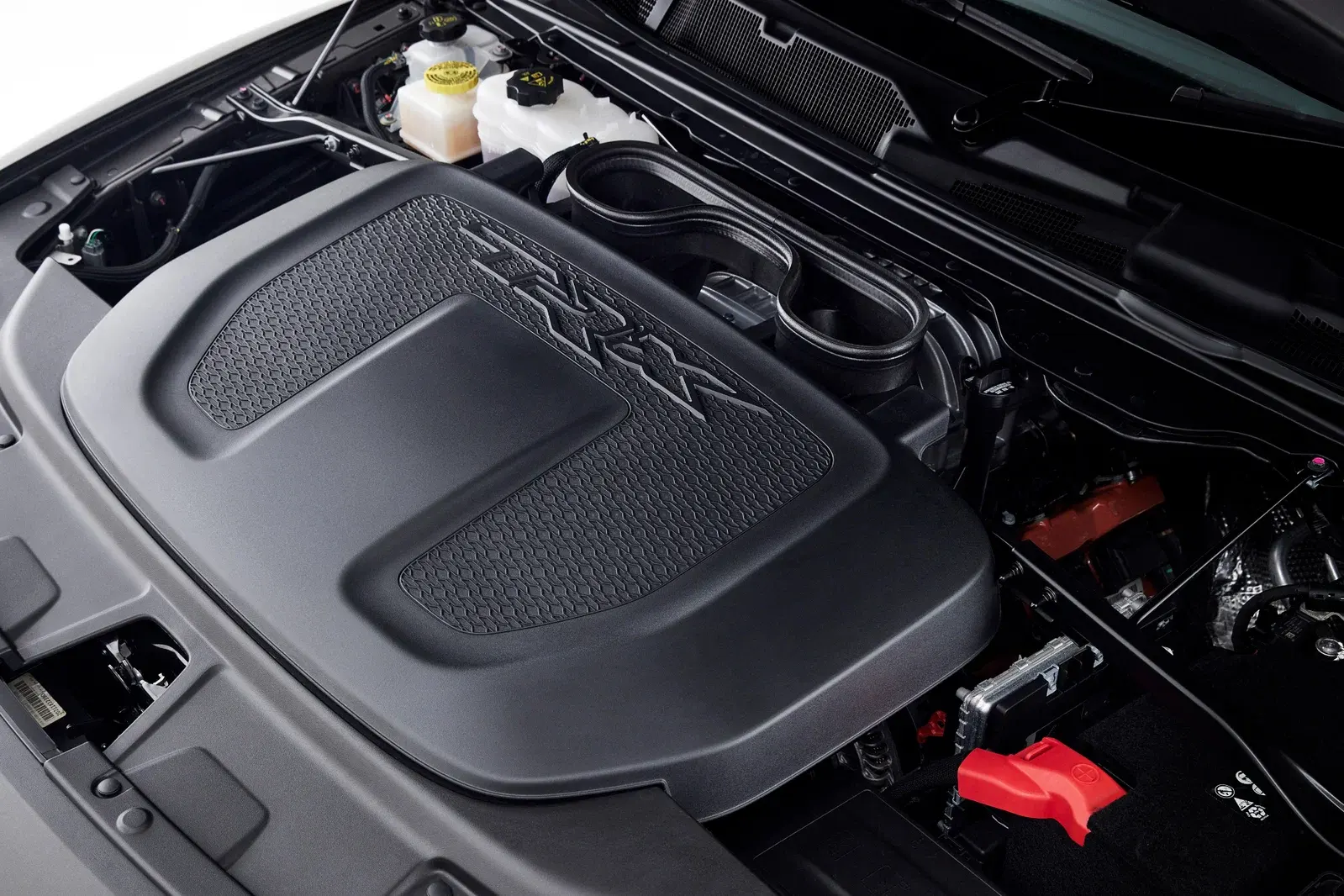
The heavy lifting was done entirely by North America, where deliveries skyrocketed by a massive 38% between April and June, reaching 445,000 units. Leading this horsepower-fueled charge was the resurrected Ram 1500 with its V8 heart, alongside the terrifying TRX SRT. Meanwhile, the Dodge Charger SIXPACK, available in both two- and four-door configurations with an actual internal combustion engine, arrived just in time to remind drivers that a muscle car without a soul is essentially just a poorly designed sedan. Toss in refreshed versions of the Jeep Grand Wagoneer, Grand Cherokee, and the faithful Chrysler Pacifica, and you have a catalog successfully rebuilt around everything American consumers missed during the dark days of downsizing.
Across the Atlantic, the narrative shifts from raw horsepower to pure financial survival, yet the numbers remain surprisingly positive. The European market logged a modest 5% increase, tacking on an extra 39,000 units over Q2 2025. Instead of thunderous V8s, European buyers are flocking to the budget-conscious “Smart Car” platform, pushing high volumes of the Citroën C3, C3 Aircross, Opel Frontera, and the Fiat Grande Panda across gas, mild-hybrid, and electric drivetrains.
Adding to this bizarre multi-brand cocktail is Leapmotor, Stellantis’ Chinese joint-venture partner, which contributed a crucial 33,000 units, a whopping 25,000-car jump over last year. The affordable T03 and B10 electric models are rapidly snapping up budget buyers who want an EV without declaring bankruptcy.
Looking ahead, the corporate blueprint positions the incoming STLA One platform as the spine for future rollouts. Stellantis intends to funnel the lion’s share of its product investments into just four core global brands out of its bloated fourteen-brand portfolio: Fiat, Jeep, Peugeot, and Ram.
Now, let us be realistic: a few resurrected V8s and some cheap Chinese imports will not instantly restore the corporate credibility Stellantis spent years burning to the ground through terrible product decisions. However, as Q2 draws to a close, the automotive giant is off to a far better start than any cynical industry analyst dared to predict.