The era of the $100,000 electric “super-truck” might finally be hitting a wall, and Slate Auto is ready to sell you the wall itself. Minimalist, stark, and surprisingly affordable. The Troy-based startup is putting its money where its Spartan interior is, announcing a $10.4 million investment in its Michigan headquarters. This is a full-throttle expansion involving 392 new jobs in engineering and administration over the next five years.
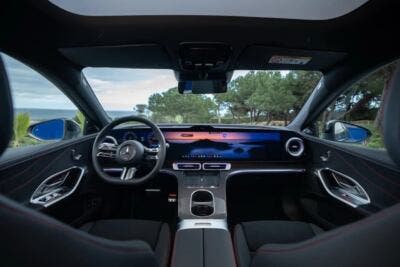
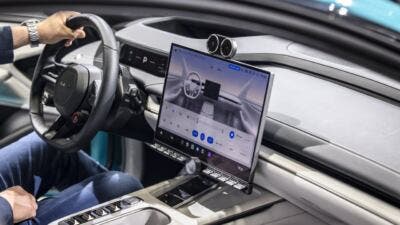
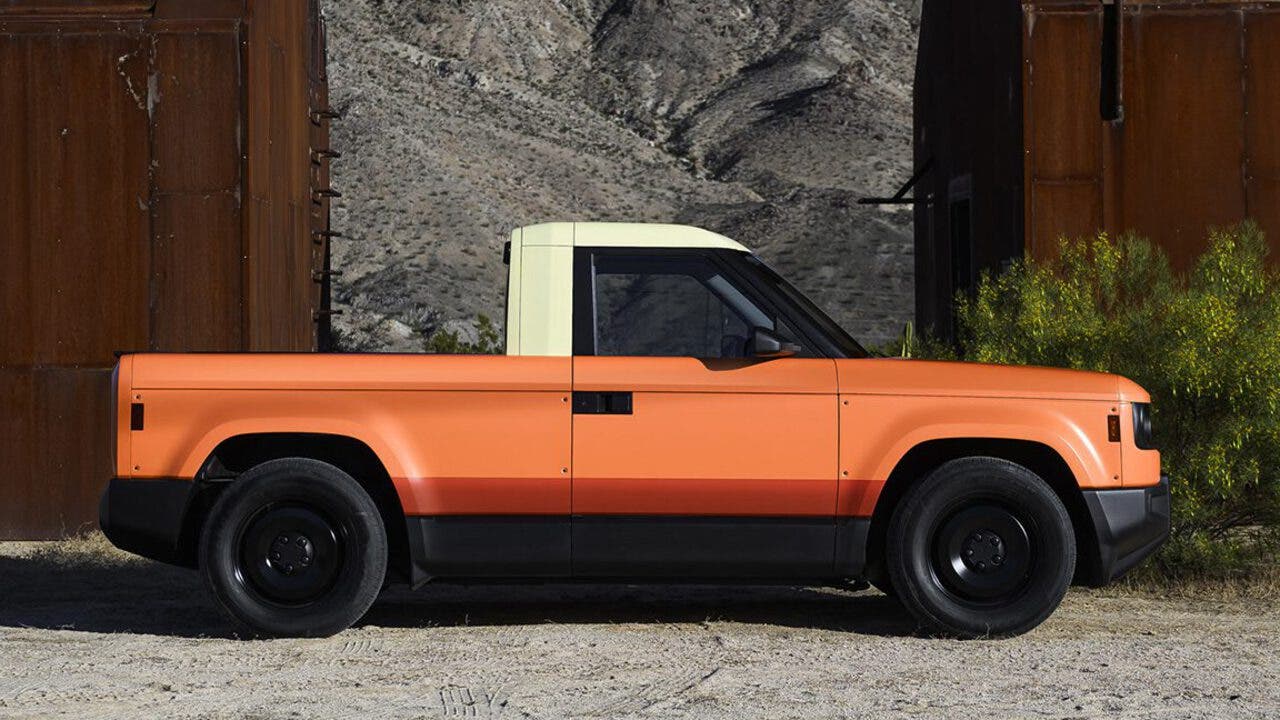
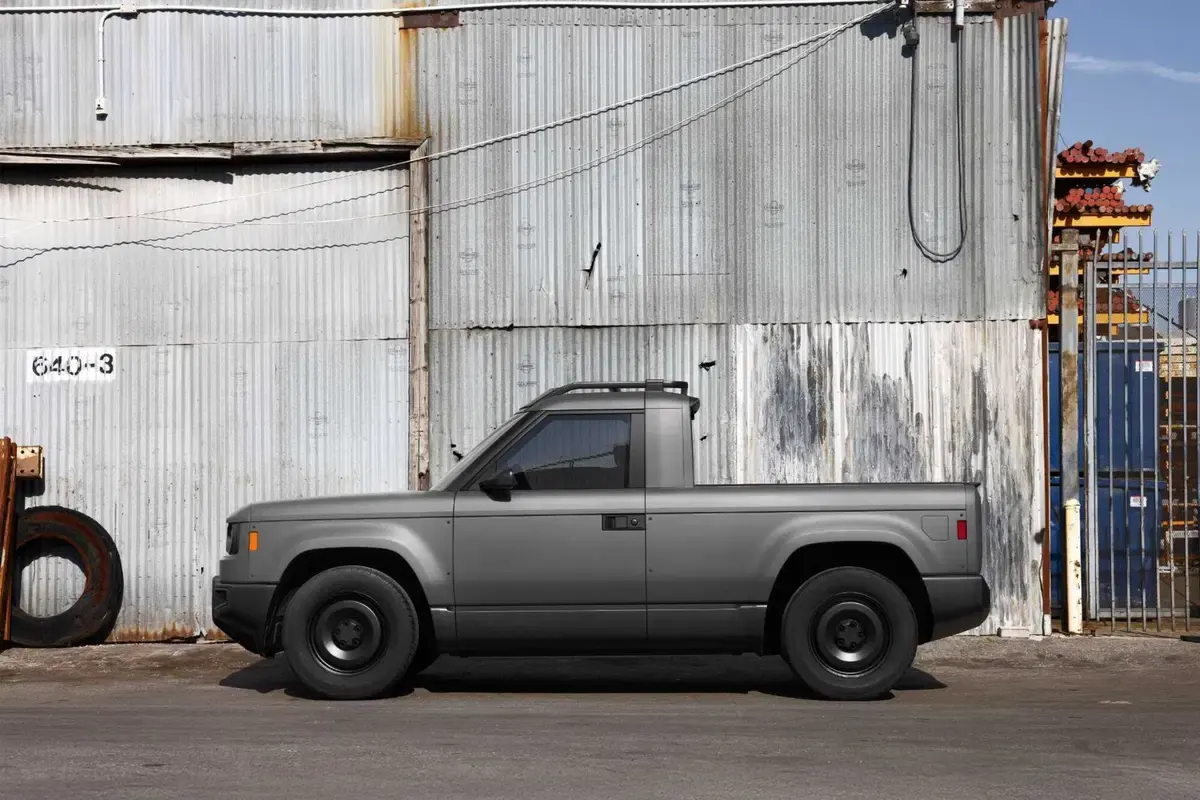
While the rest of the industry obsesses over 15-inch screens and massaging seats, Slate is betting on an electric pickup so basic it makes a base-model 1990s work truck look like a luxury lounge.
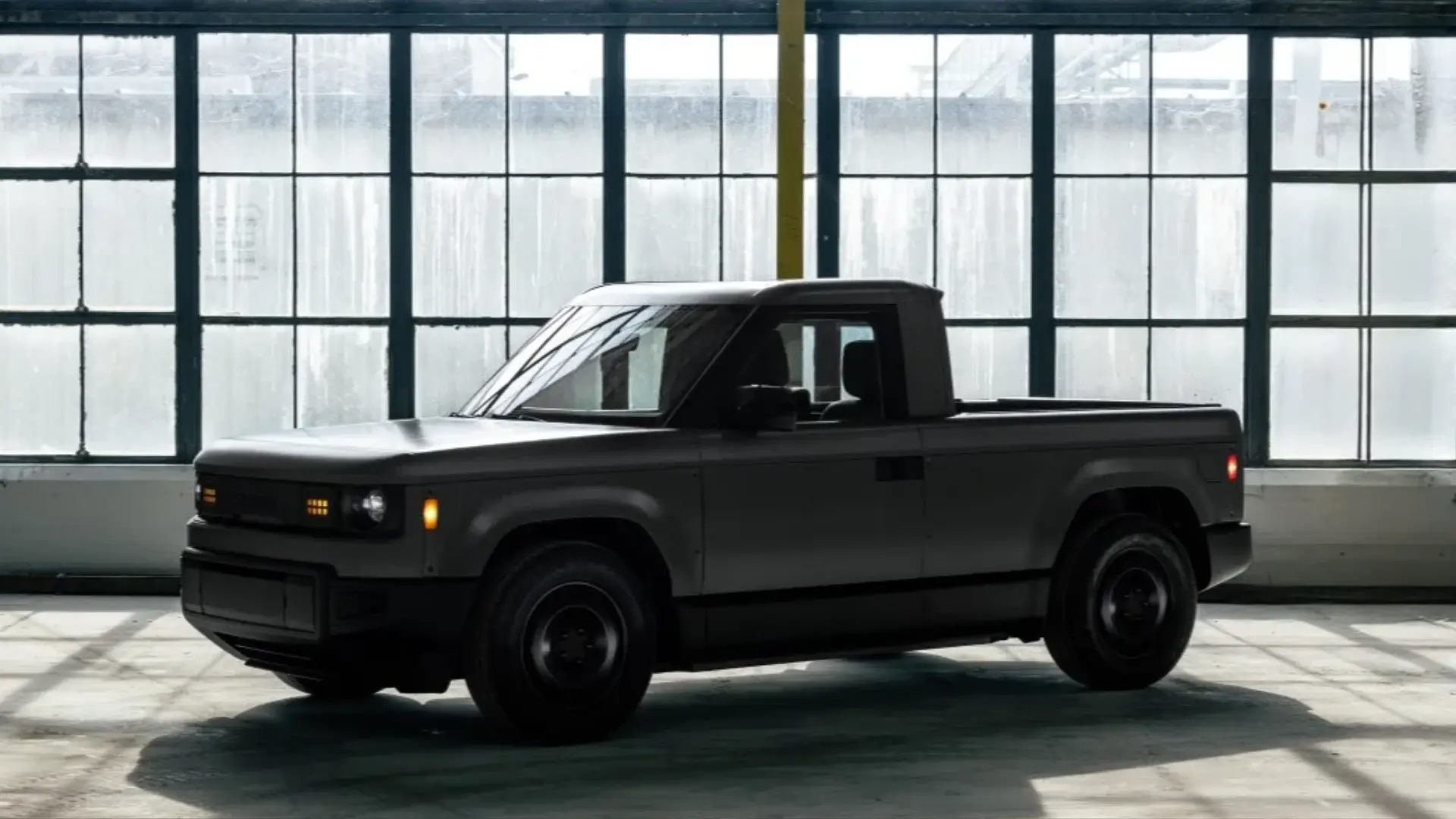
The strategy is as bold as it is technically “retro”. By ditching “superfluous” luxuries like power windows and infotainment systems, Slate aims to launch its electric pickup with a starting price around $20,000. It’s a refreshing, if slightly masochistic, take on the EV market.
If you want a dashboard screen, Slate essentially suggests you bring your own iPad and a healthy dose of DIY spirit. Yet, the market is listening. With over 160,000 reservations already in the bag, the demand for a “no-nonsense” workhorse is clearly outpacing the industry’s desire to over-engineer everything.
To pull off this “less is more” miracle, the company has been poaching talent like a hungry predator. Recently, they snagged Lucid’s former North American sales lead and a manufacturing veteran with deep roots at GM and Ford. Peter Faricy, a former Amazon and Discovery heavyweight, has stepped in as CEO, while founder Christine Barman moves to lead the vehicle division. It’s a roster that screams “Silicon Valley meets Motor City”, backed by a staggering $1.4 billion in total funding. Even with Jeff Bezos’s direct board presence thinning out following Melinda Lewison’s departure, the financial war chest remains formidable.
Production is slated for late this year in a repurposed Indiana plant, with deliveries expected by late 2026. But the road is getting crowded. Ford is looming in the rearview mirror with its own $30,000 “Skunkworks” EV truck project. Jim Farley is promising profitability by 2029, but Slate is already on the ground in Michigan, securing a $5 million state grant to prove that sometimes, the ultimate automotive disruption is simply giving people a steering wheel and a battery without the digital fluff.