

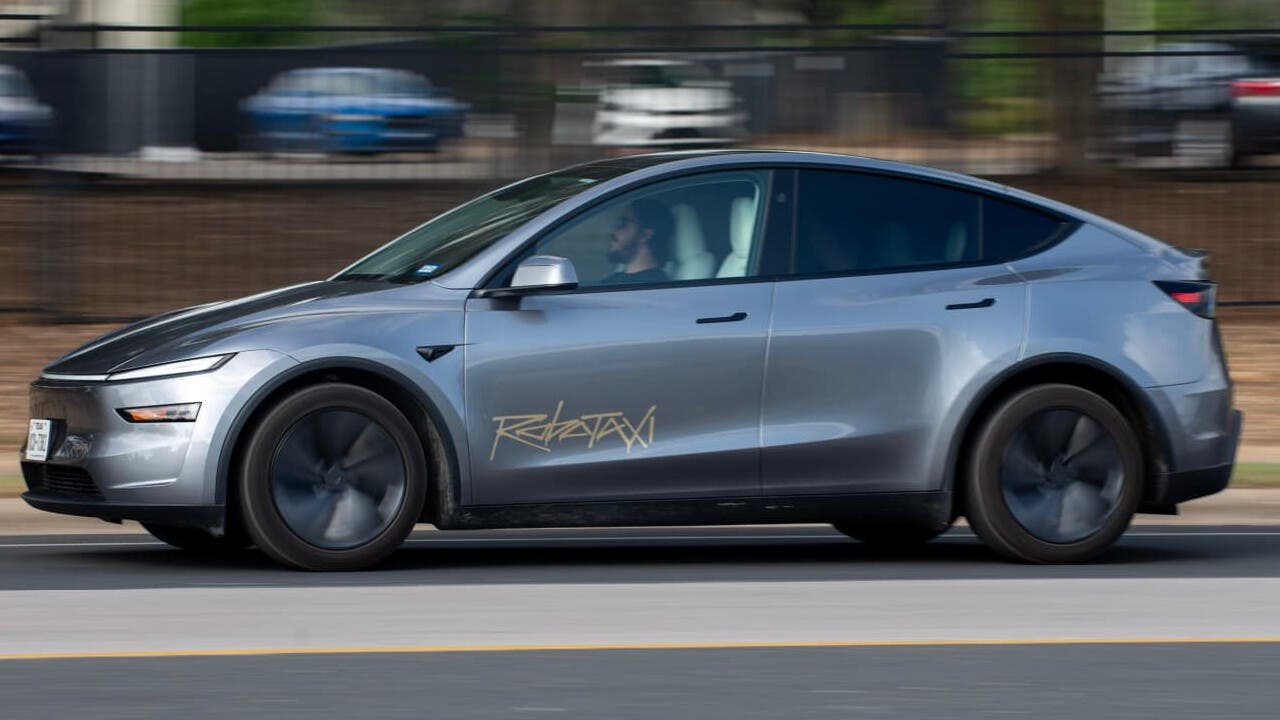
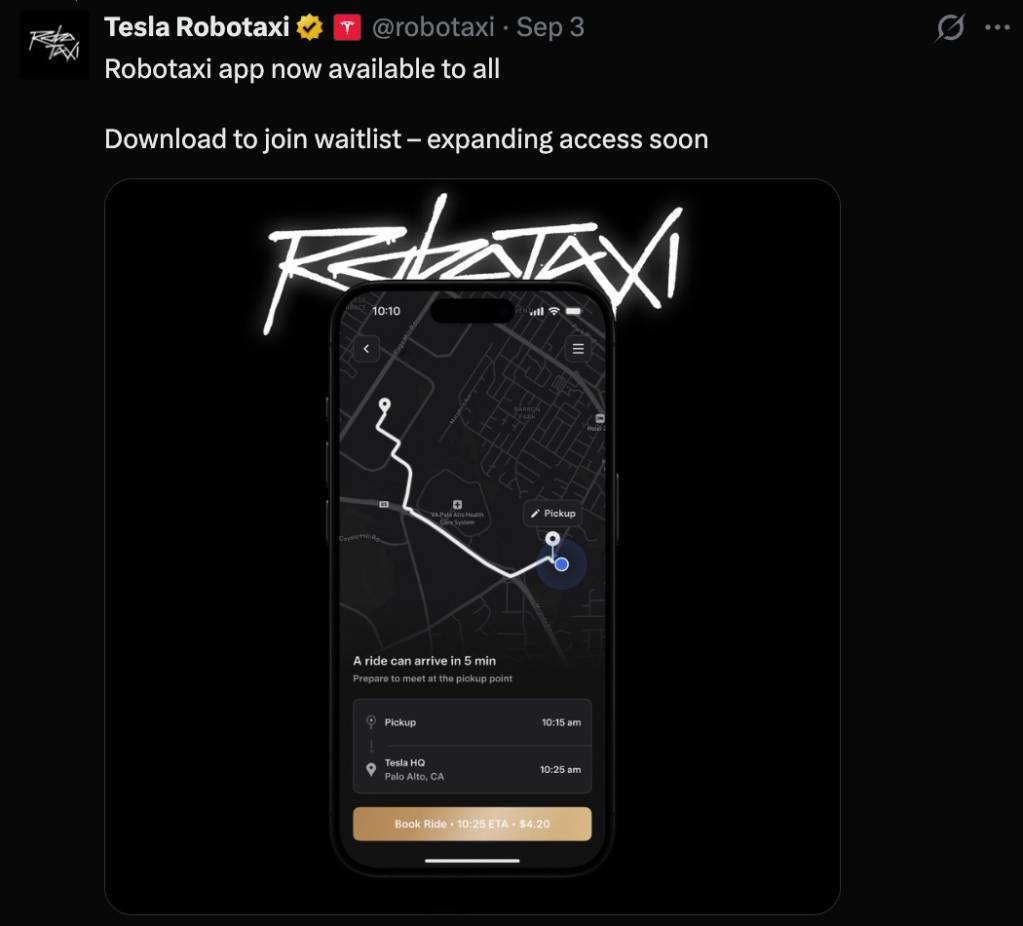
If you listen to official corporate channels, Tesla’s Robotaxi launch in Austin is a runaway success story of rapid scaling and technological dominance. According to the narrative, the service launched in June, opened to “everyone” in September, and “doubled the fleet” by November.
Elon Musk has even made the audacious claim that the fleet would hit 500 vehicles by year-end and cover half the US population. It sounds like the future has arrived, until you look at the actual code.
Ethan McKanna, a 19-year-old engineering student at Texas A&M, decided to do some homework that Tesla likely wish he hadn’t. By reverse engineering the Robotaxi app, McKanna created a tracker that pings Tesla’s API every five minutes across various service points. The results? Tesla’s autonomous revolution looks more like a very exclusive car club for five people.
While the tracker identified 32 different Model Y units registered to the network, technically a “doubling” from a very small start, it revealed that the vast majority of these cars are rarely in operation. On average, fewer than 10 Robotaxis are active at any given time. Local observers suggesting the real number is closer to a measly one to five vehicles. In fact, users frequently find themselves picked up by the exact same car over and over again. A charming, if somewhat repetitive, “personal driver” experience.
The most damning data point is availability. Over the last week, the service was unavailable roughly 60% of the time. When the app tells Austin residents that there is “high demand for service”, it isn’t because the city is clamoring for Tesla rides. It’s because there simply isn’t any supply. Even during peak business hours, the network is often a total ghost town.
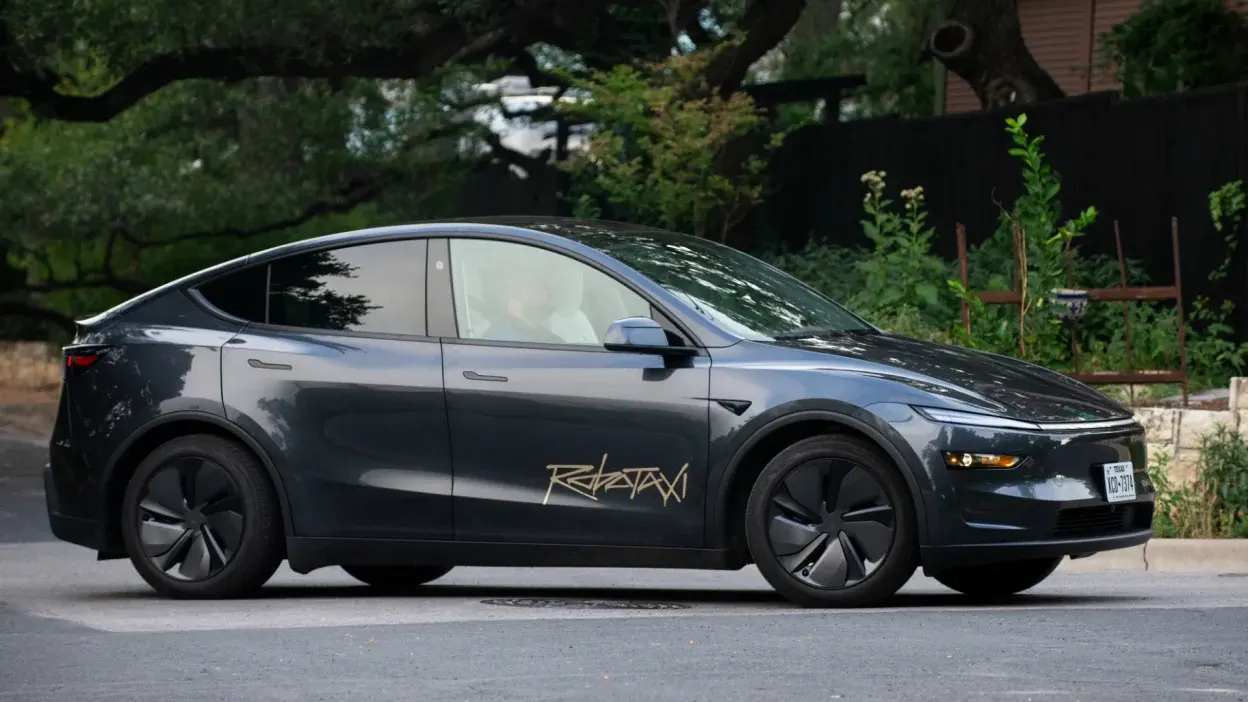
Musk’s vision of removing safety drivers and scaling to hundreds of cars seems to be more about managing appearances than managing a ride-hailing network. While competitors like Waymo are busy expanding actual service areas, Tesla seems to be playing a dangerous game of mirrors.