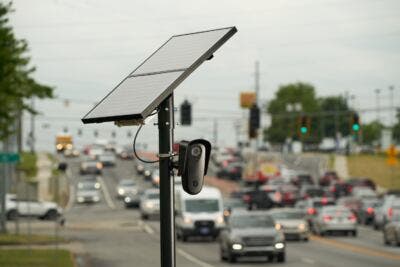
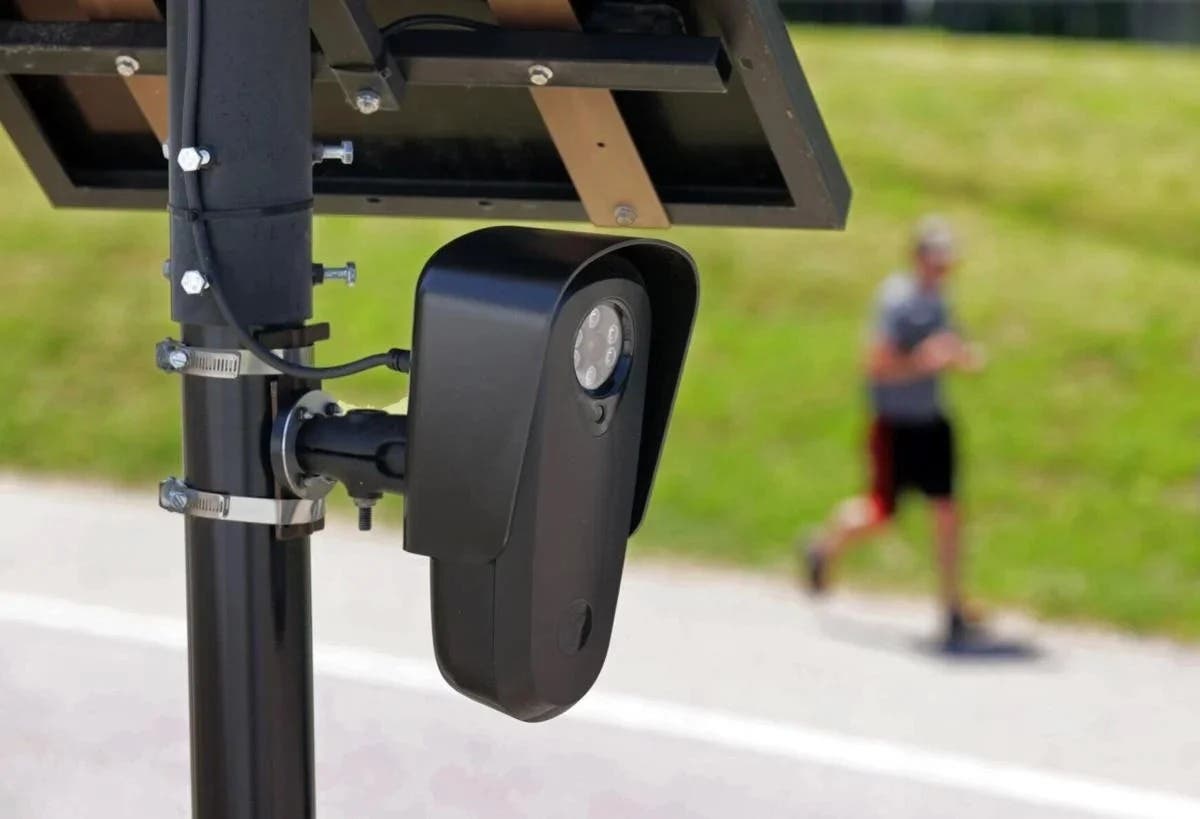
In the United States, the debate over smart cameras that identify and track vehicles on public roads is intensifying. At the centre of the discussion stands Flock Safety, a company specialising in ALPR systems, or Automatic License Plate Readers. Thousands of American communities already rely on these automatic plate-reading cameras, and many police departments use them in daily investigations. The network now includes around 80,000 devices, and the technology no longer stops at simply reading a licence plate.
The system photographs passing vehicles and records location, time and direction of travel. Artificial intelligence, however, allows it to go further. Flock has developed a function called “Vehicle Fingerprint”, a kind of digital vehicle signature that describes a car through its make, body type, colour, stickers, roof racks and other visible details. Investigators can therefore search for a vehicle even when the plate does not appear clearly or when the plate alone does not provide enough information. By combining several characteristics, the system can progressively narrow the search field.
AI vehicle tracking expands in the US, and privacy concerns grow
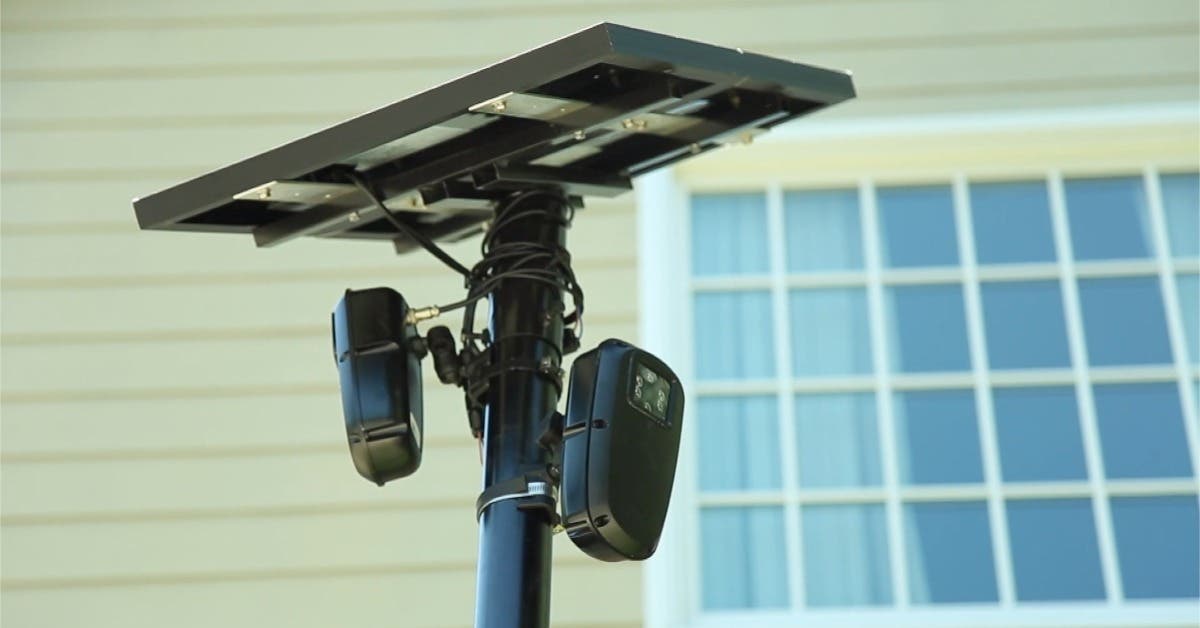
One of the most debated functions involves convoy analysis. Through this feature, artificial intelligence identifies vehicles that frequently appear together in front of different cameras. For investigators, this can help reconstruct movements, contact networks or possible links between people involved in a case.
The power of the system raises important questions. When a national network keeps millions of vehicle passages for weeks, authorities can potentially reconstruct the movements of a car even when its owner has no connection to any investigation. Flock says its cameras do not use facial recognition and presents the system as a tool for specific public safety investigations. However, several American cities have already started to discuss, suspend or review contracts with the company over concerns about privacy, data access and weak oversight.
Documented cases of misuse make the picture even more complicated. Some journalistic investigations have reported police operators who used licence plate reader systems to search for people without a real link to official investigations. In other cases, the debate has focused on access to data by federal agencies or on searches connected to sensitive issues such as immigration and abortion. Reading errors add another risk, because confused characters or false positives can quickly lead to unjustified stops or invasive checks.
The issue does not concern only the United States. Technologies of this kind anticipate what road surveillance could become in other countries too. In that scenario, a car would no longer stand out only through its licence plate, but also through its colour, model, stickers and aesthetic details, all elements that algorithms can already read today. Regulation remains the central question: who can access this data, how long companies and authorities can keep it, and what guarantees exist for people who have no involvement in any legal proceeding.