

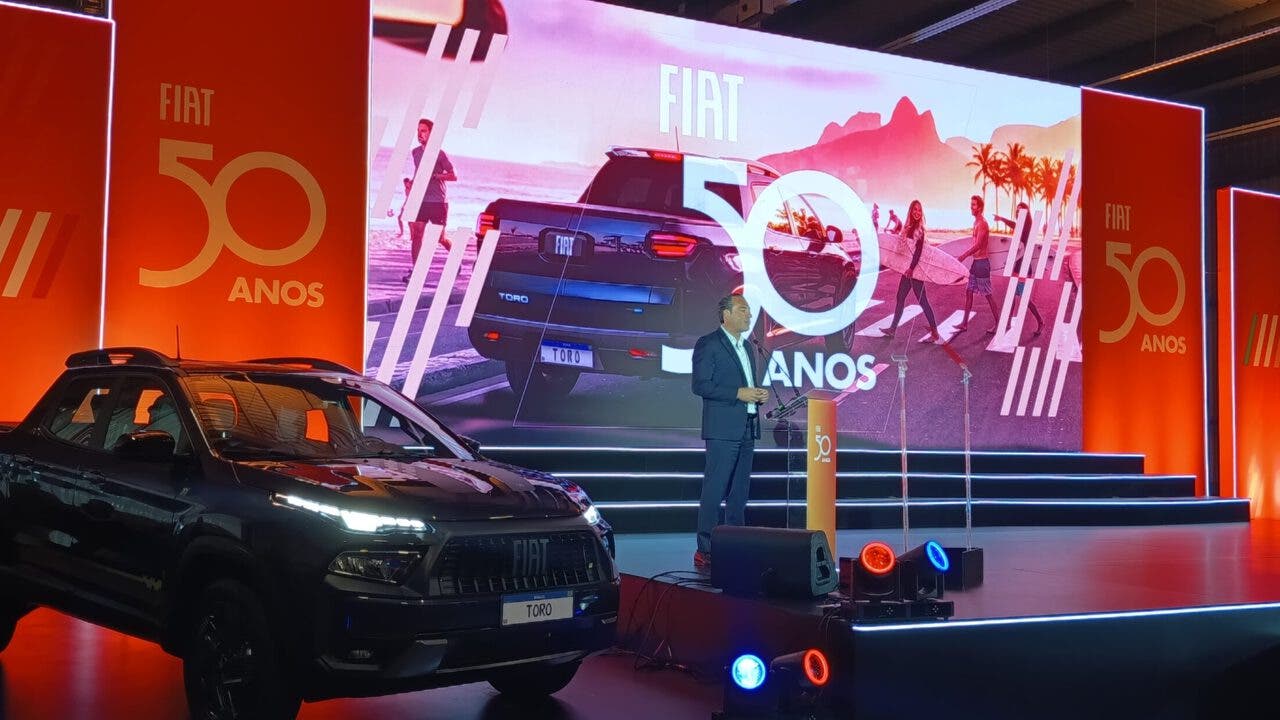
On July 21, Betim hosted an industrial milestone that proved even the most complex corporate mergers cannot dilute a genuine success story: Fiat’s 50th anniversary in Brazil. To celebrate half a century of transforming the State of Minas Gerais into Stellantis’s premier production powerhouse, Chairman John Elkann and CEO Antonio Filosa gathered at the historic complex. Brazil is not merely a footnote on financial balance sheets. It stands as Fiat’s single largest market globally.
Rather than drowning the audience in dry corporate figures, Elkann opened with the human story of Agnaldo Francisco de Oliveira. Hired as a 15-year-old boy in 1974 before the plant had even been built, Agnaldo loved the site so much he got married on its official inauguration day, July 9, 1976. Five decades later, Agnaldo serves as Accounting Coordinator, surviving decades of industry shifts while keeping the factory’s financial gears turning.
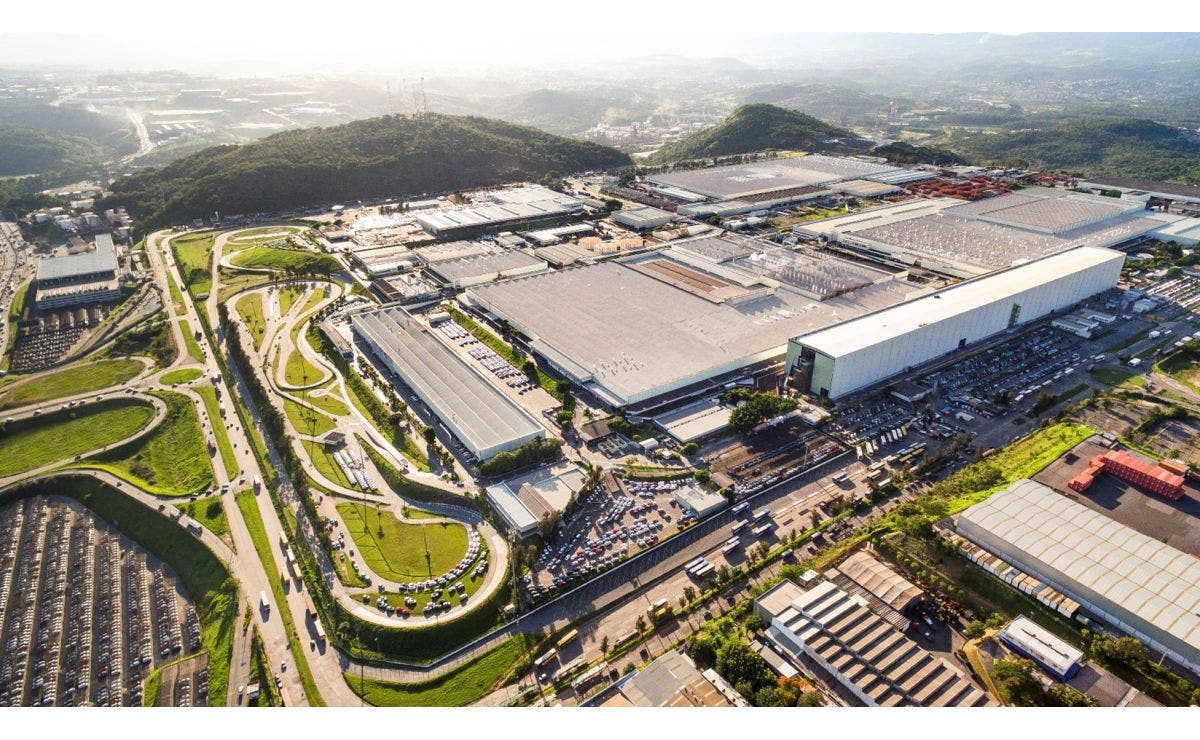
Elkann, who spent part of his childhood in Brazil surrounded by Ayrton Senna races and local football, casually pointed out that both he and the Betim facility were born in 1976, though the plant has arguably aged with remarkable mechanical resilience. Back in the 1970s, Gianni Agnelli chose mining-heavy Minas Gerais over the predictable industrial hub of São Paulo. It was a bold wager that birthed an empire.
Today, the Betim complex covers 2.2 million square meters, employs over 19,000 people, and has produced over 18 million vehicles, from the pioneer Fiat 147 and market-shaping Uno to the unstoppable Strada pickup, Brazil’s top-selling vehicle for five consecutive years. The facility currently manufactures models including the Fiat Argo, Mobi, Pulse, Fastback, Fiorino, and Strada, alongside regional stablemates like the Peugeot Partner Rapid and Ram 700.
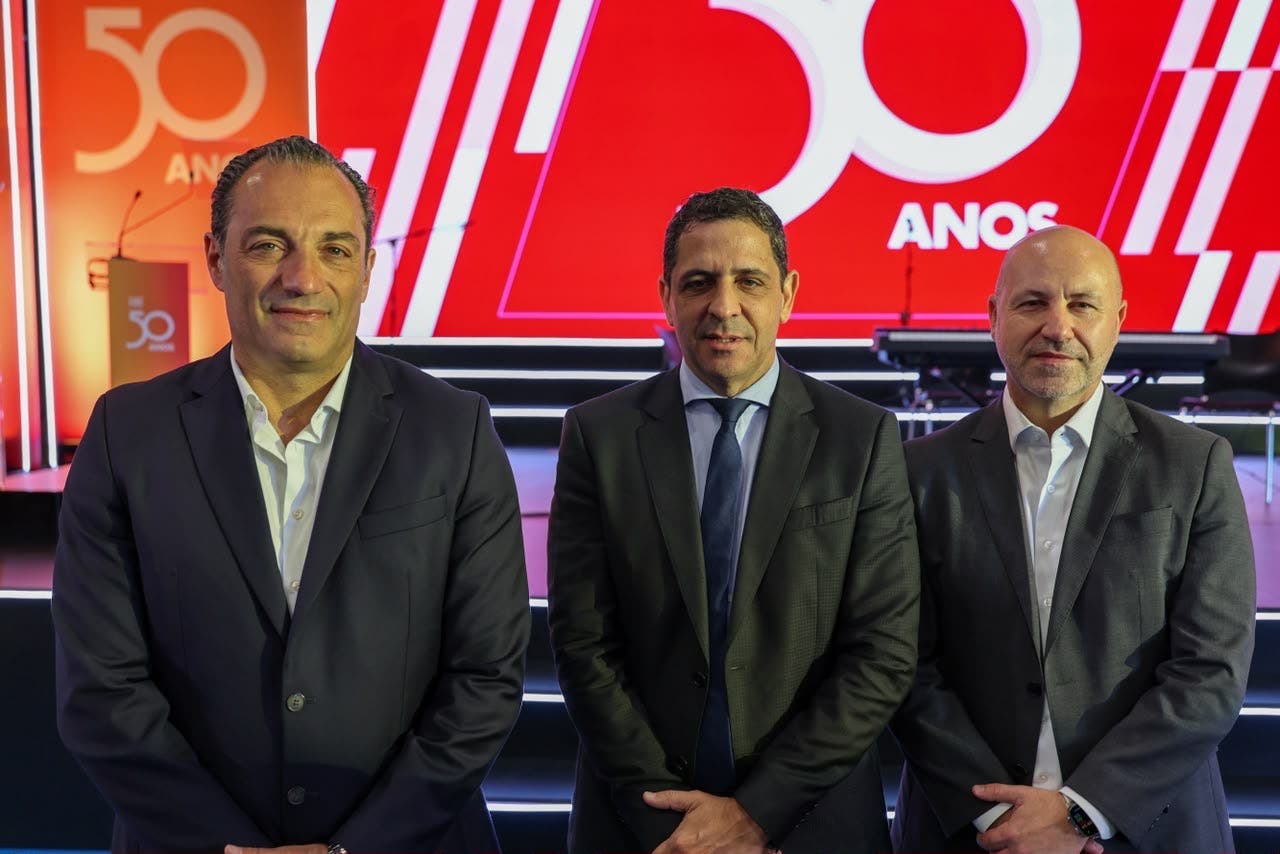
With R$ 14 billion in fresh capital directed to Betim by 2030 as part of a massive R$ 32 billion South American investment strategy, plus 1,200 new jobs created for an upcoming secret model, Stellantis is doubling down. Filosa, who originally arrived in Brazil in 2005 expecting a short career assignment before staying 18 years and raising a family, captured the spirit best: Fiat is now half Italian, half Brazilian, and fully built to lead.