

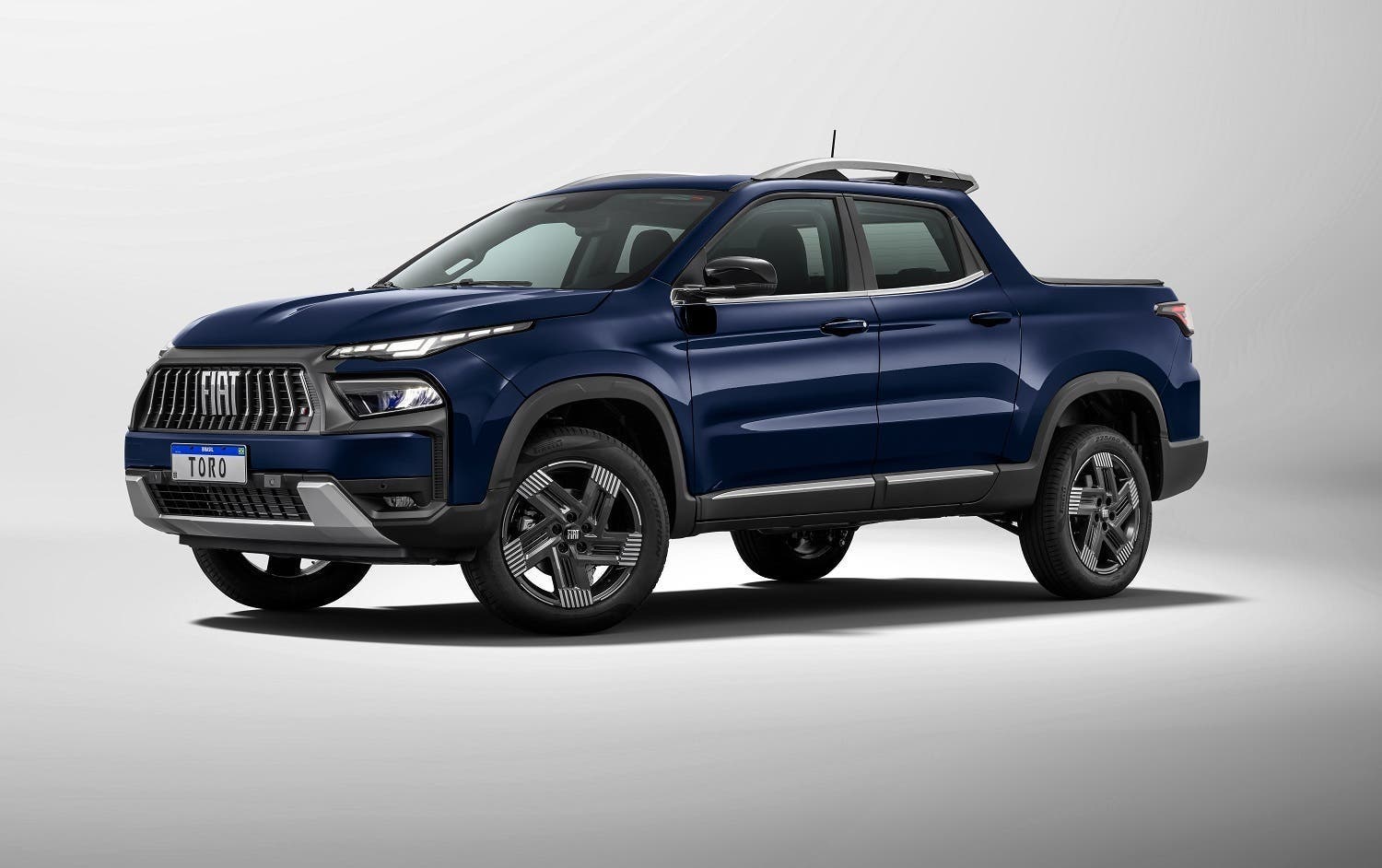
Fiat has updated the Toro for the 2027 model year and brings the Brazilian pick-up into the age of mild electrification. The most important technical change concerns the arrival of 48-volt mild-hybrid technology, paired with the Turbo 270 Flex engine and available on the Volcano and Ultra trims. This update does not revolutionize the model’s identity, but it aligns it with the demands of a market where even work vehicles must now deal with fuel consumption, emissions and new driving habits.
2027 Fiat Toro enters the mild-hybrid era with a new 48V system
The MHEV system comes from Stellantis and already appears on other models from the group. It works by placing a small electric motor alongside the combustion engine, recovering energy during deceleration and returning it when the driver needs better response or improved efficiency. The battery charges only while driving, without the need for public charging stations or home sockets.
According to Fiat’s data, this configuration can reduce fuel consumption by up to 12% and cut CO2 emissions by almost 11%. The electric assistance can also deliver up to 65 Nm of additional torque, which proves useful above all during starts and in urban driving. The new Turbo 270 Flex MHEV produces 176 hp and 270 Nm, while the range also keeps the 2.2-litre turbodiesel with 200 hp and 450 Nm, reserved for the Ranch and Volcano Diesel versions.
The 2027 Toro update also expands safety equipment across the entire range. All trims now include forward collision warning with automatic emergency braking, lane keeping assist and automatic high-beam switching as standard. Ultra and Ranch versions also receive blind spot monitoring and rear cross-traffic alert as standard, while Fiat offers both systems as options on the Volcano. This choice reflects the evolution of the segment, where toughness and load capacity alone no longer justify a purchase.
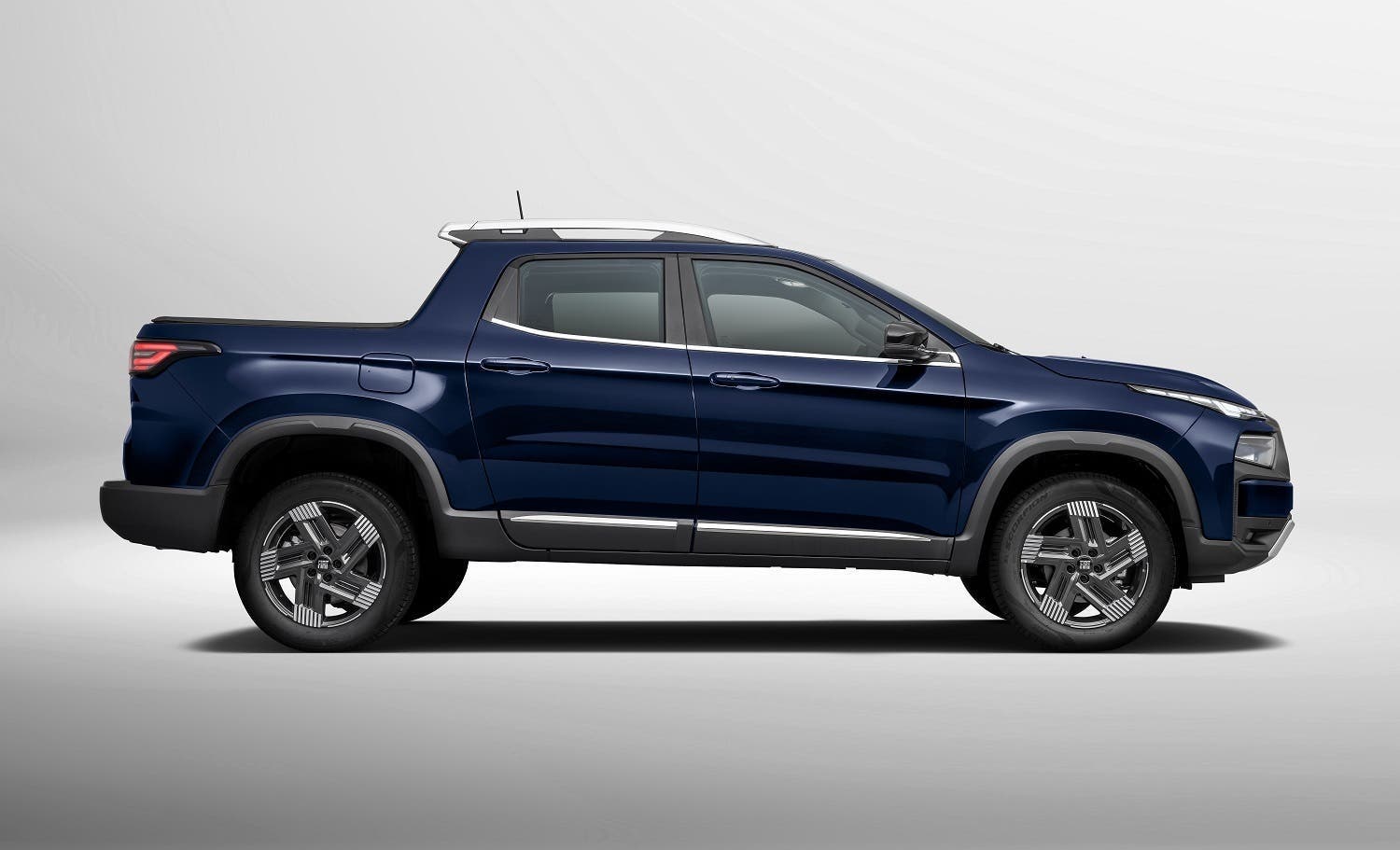
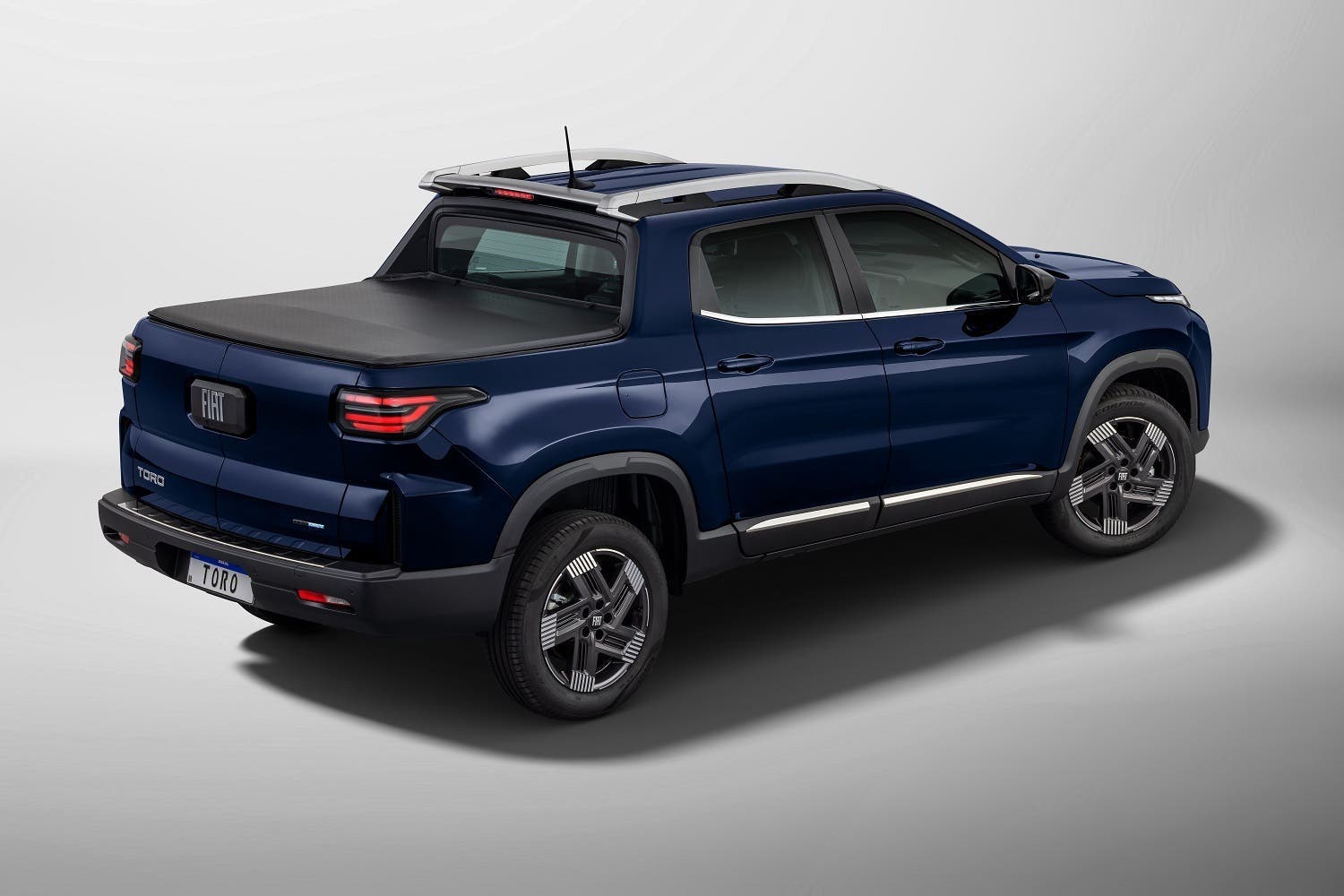
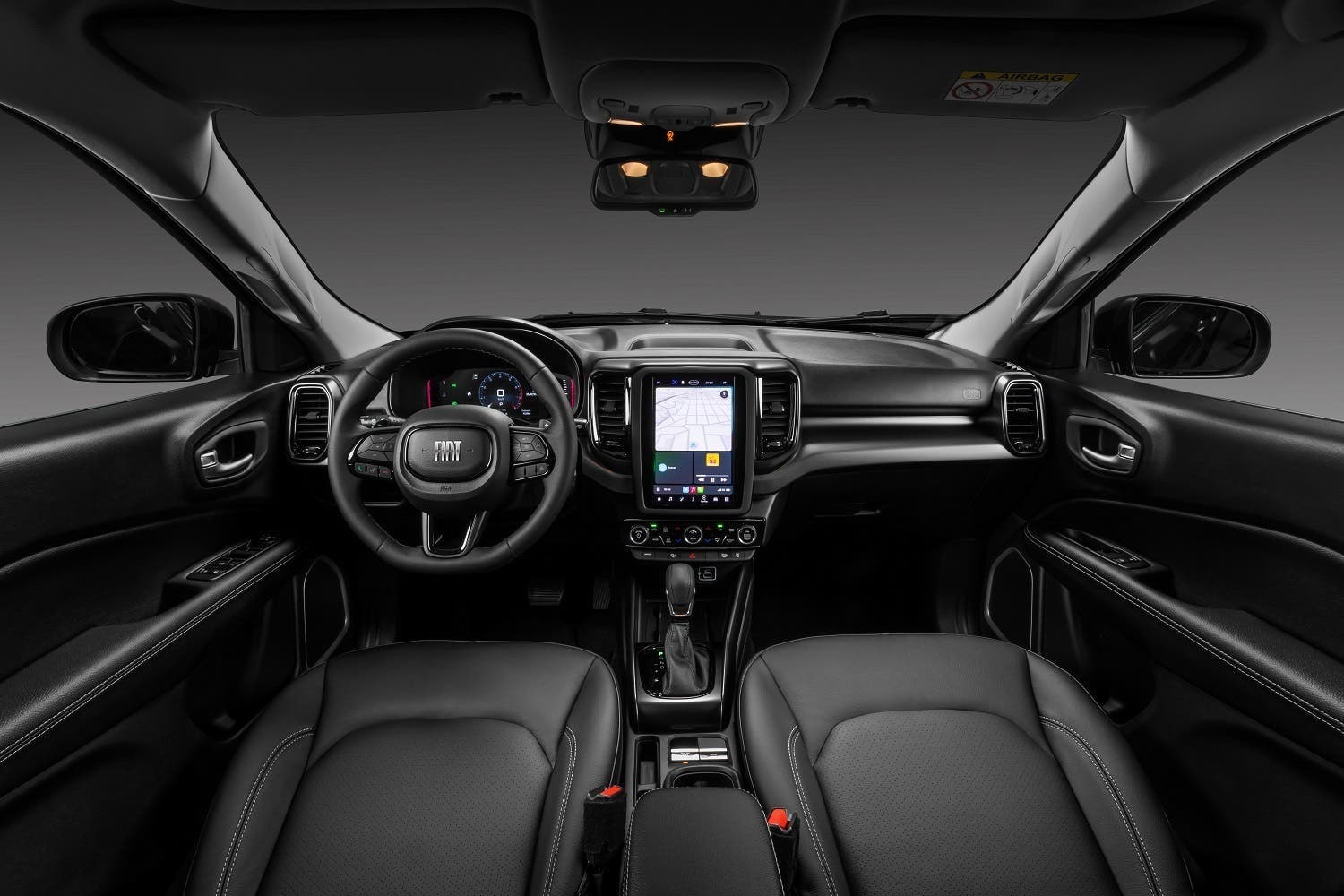
On the design front, Fiat has focused on refinements rather than major changes. The front end retains the trapezoidal grille and full LED headlights, now enriched by sequential turn indicators that blend into the pixel-style light signature introduced in previous years. Fiat has redesigned the skid plate to strengthen the model’s off-road character. Inside, from the Volcano trim upwards, the Toro gains a 7-inch digital instrument cluster and a 10-inch infotainment screen, along with a new gear selector, an electronic parking brake and an auto hold function designed for city traffic.
In essence, the philosophy remains the same one that turned the Toro into a commercial success after its launch in 2016: combining the practicality of a pick-up with the comfort of an SUV. With more than 650,000 units produced over ten years, the model remains one of Fiat’s key pillars in South America. The introduction of mild-hybrid technology appears to answer the need to extend the product’s commercial life while waiting for a new generation, keeping it competitive in a segment where rivals such as the Toyota Hilux, Volkswagen Saveiro and Chevrolet Montana are also updating their electrification strategies.