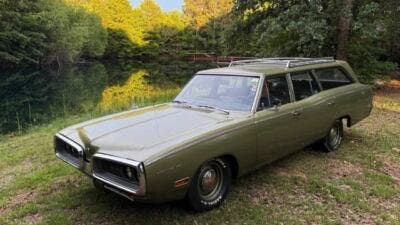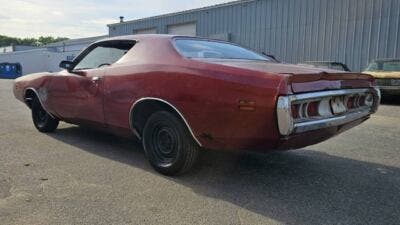
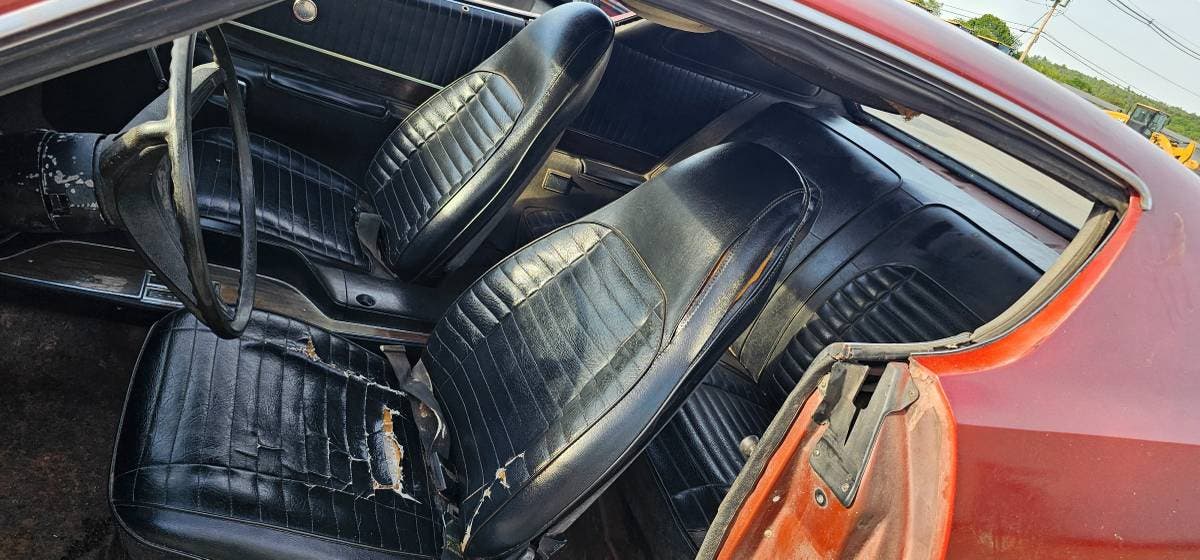
This 1971 Dodge Charger is a classic muscle car time capsule that has recently emerged from the shadows of long-term hibernation. The seller’s pitch is a textbook exercise in optimistic digital marketing: “The car is complete, original, untouched. Original paint and interior”. It’s the exact kind of description designed to make Mopar enthusiasts break out into a cold sweat before they even click on the photo gallery.
To fully appreciate this machine, one must look at the brutal industrial shift of the era. By 1971, Dodge was frantically restructuring its lineup, completely severing the Coronet and Charger lines to give the latter its own distinct, aggressive identity. Amidst an early-1970s American panic toward fuel efficiency, Dodge actually offered the Charger with a modest six-cylinder or a baseline 318-cubic-inch V8.
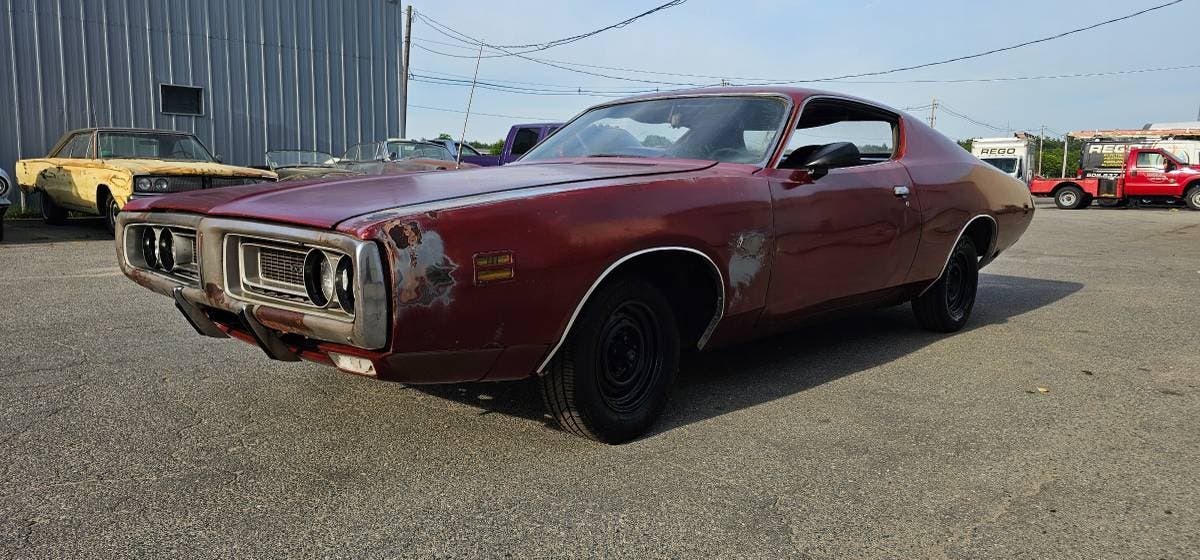
Thankfully, the original buyer of this particular specimen skipped the economy aisle entirely and opted for the far more respectable 383 V8 engine paired with an automatic transmission. According to the listing, it is a numbers-matching unit, meaning this is exactly how it rolled off the assembly line during the twilight of Detroit’s horsepower wars.
However, the internet’s definition of “untouched” often clashes violently with reality. While this Charger boasts a prestigious pedigree, retaining a partial build sheet, the original owner’s manual, and the ultimate bragging rights of being a true one-owner car, it is also a stark reminder that oxygen and steel have an ongoing, destructive love affair called rust. The floorboards and trunk are heavily compromised, demanding a total and costly restoration.
Whether that 383 V8 actually starts and fires up remains a complete mystery, making a rigorous in-person inspection mandatory before you trust the seller’s lofty claims. Still, at a firm price of $11,000, the market dynamics are clear. The car at least rolls and steers freely, meaning it won’t fight you when you drag it onto a trailer.
In a hyper-inflated classic market where matching-numbers 383 Chargers don’t exactly grow on trees, this rusty gamble will likely find a brave new owner faster than you can say “buyer beware.”