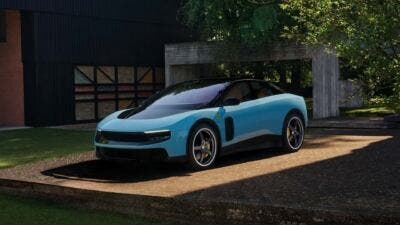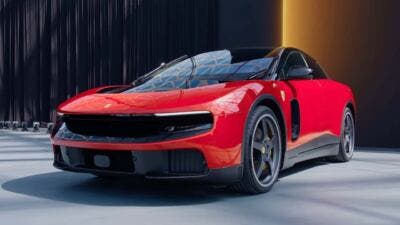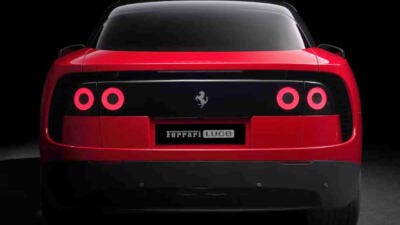
Maranello meant screaming V12 engines, gasoline-fueled heritage, and blood-red passion. Then came May 25 in Rome, where Ferrari unveiled the Luce, its first-ever fully electric production car. Developed with a heavy aesthetic hand from Apple’s former design master Jony Ive, this four-door, five-seat vehicle enters the ultra-luxury market with a staggering starting price of 550,000 euros ($640,000).
The Luce is an absolute numbers monster, boasting over 1,000 HP, four electric motors, a top speed eclipsing 310 km/h, and a claimed range of over 500 kilometers. Yet, when the curtain dropped, the global internet did not cheer. The Luce immediately sent Ferrari shares tumbling by roughly 8%. Talk about an expensive reality check from uninspired investors.
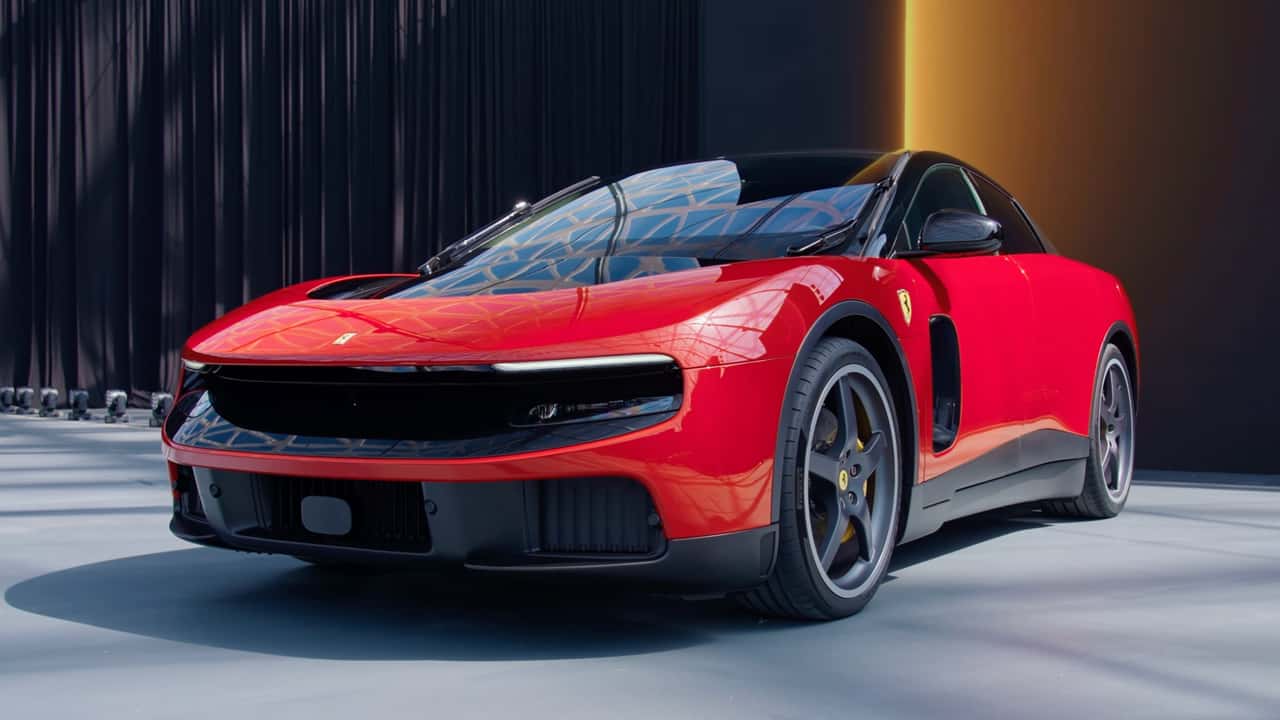
Has Maranello completely lost its collective mind? Enrico Galliera, Ferrari’s marketing and commercial chief, dropped the real bombshell during the launch event by stating that their primary target customer is someone who already owns an EV. The Luce is deliberately fishing in a completely different, ultra-wealthy pond where historical mechanical heritage matters significantly less than a seamless, cutting-edge digital lifestyle.
To find these affluent, EV-accustomed buyers, you must look directly East. Ferrari quietly hopes the Luce will resurrect its fading fortunes in China, a massive market where traditional internal combustion vehicles face brutal regulatory hurdles, and heavy luxury penalties. Ferrari’s sales in mainland China have steadily shriveled, dropping from 1,500 units in 2022 (accounting for 11.7% of global sales) to a mere 900 units in 2025 (just 6.9% of its overall business). Importing a stallion into China incurs an eye-watering 75% total tax burden, effectively doubling the price of a model domestically compared to foreign markets.
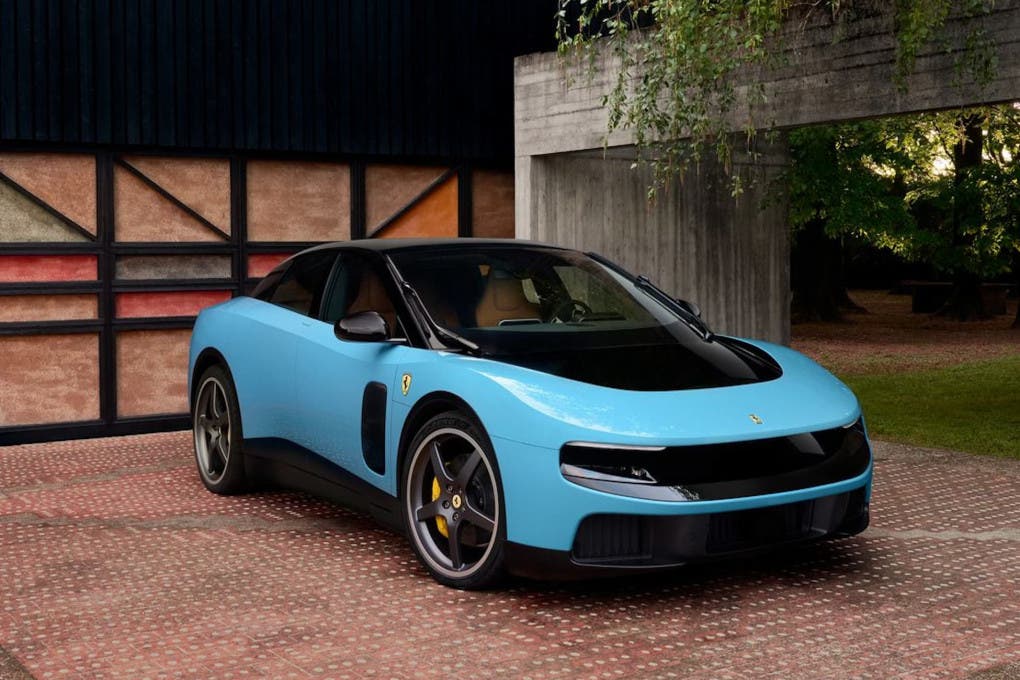
Yet, Ferrari did something legacy giants like Volkswagen spent billions failing to learn: they engineered a dedicated EV platform entirely from scratch, recognizing that in China, automotive heritage is often viewed as dead weight rather than an asset.
Ferrari understood this paradigm shift. Chief designer Flavio Manzoni explained that while traditional gas supercars hunt for aggressive downforce, EVs demand minimized drag coefficients, forcing a pure, flat, continuous solid shape.
It is a jarring departure, prompting former Ferrari chairman Luca di Montezemolo to sarcastically sneer in a viral video, “At least the Chinese won’t copy this one”. But as deliveries loom for the fourth quarter of 2026, the joke might be on the traditionalists. Ferrari is betting its financial future on whether China’s tech-elite will actually buy into this silent revolution.