

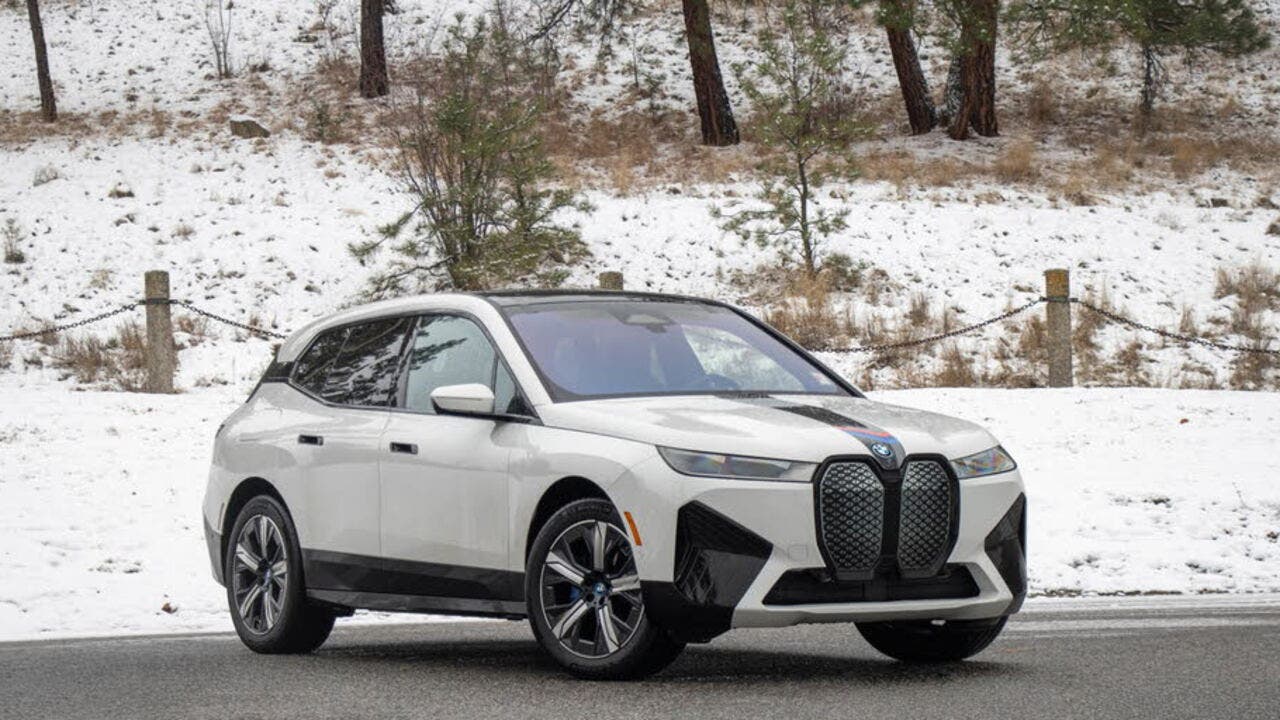
Minus thirteen degrees Fahrenheit, no home charger, and a BMW iX xDrive45 that cost more than most people’s annual salary. Chicago in January doesn’t negotiate. It just takes what it wants, and what it wanted from my 2026 iX was roughly 30% of its EPA-estimated range. The question wasn’t whether it would survive. The question was whether we would.
Let’s establish the parameters of this experiment in automotive masochism. No Level 2 charging at home. No preconditioning before departure. Just the iX and temperatures hovering between minus thirteen and twenty-one degrees, because apparently Chicago wanted to remind what “polar vortex” actually means.
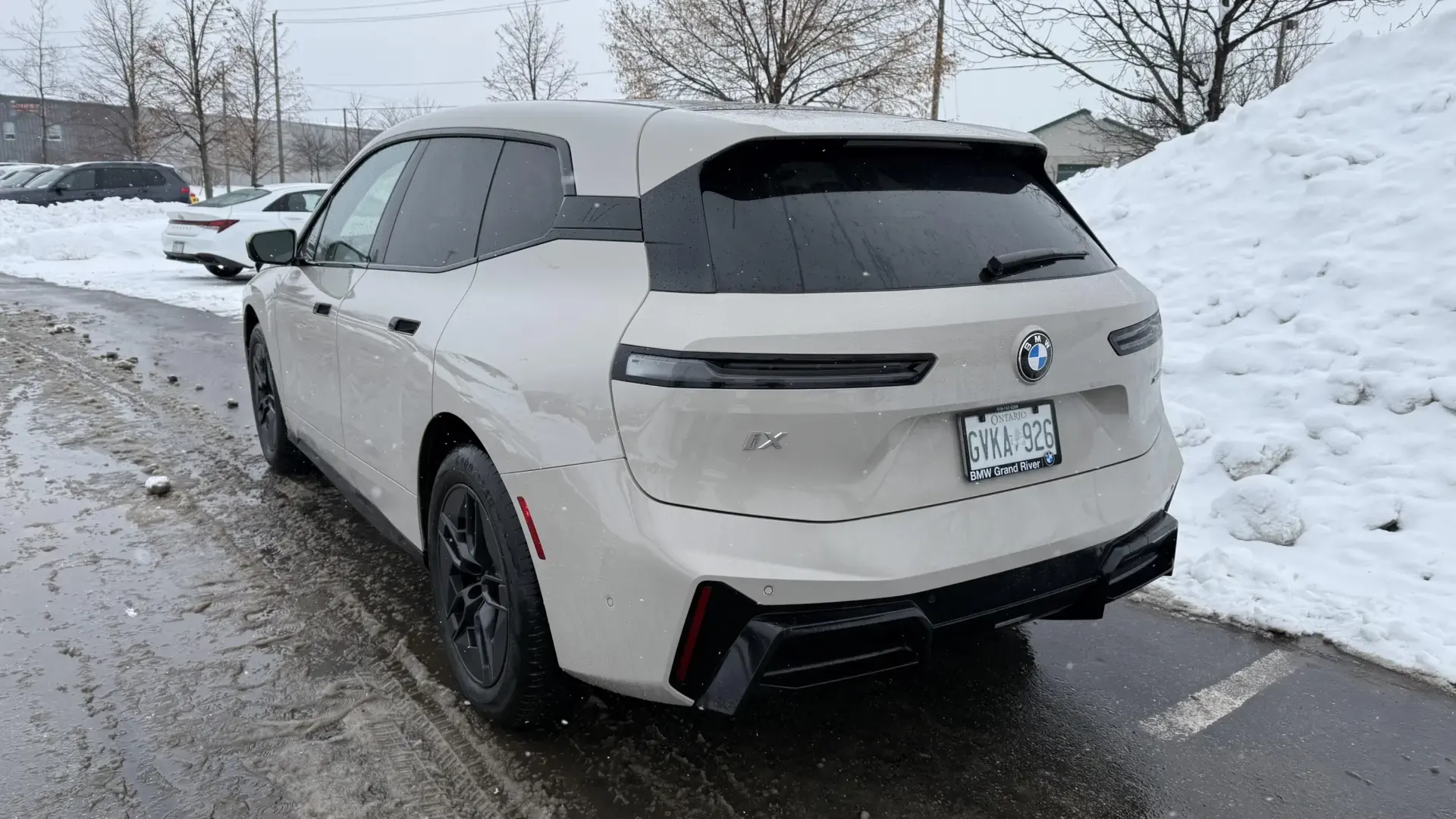
The cabin stayed at a comfortable 70°F with heated seats and steering wheel active—real-world comfort settings that actual humans use, not the fictional efficiency runs automakers dream about in climate-controlled labs.
The numbers don’t lie, even when they’re freezing. Under normal winter conditions, you can log 2.7 miles per kWh. When the cold turned truly biblical, that dropped to 2.4. BMW claims to expect a 30-40% range loss in extreme cold. The EPA estimates about 3.6 miles per kWh under ideal conditions, meaning winter hits you, but not quite as hard as the initial panic suggests.
Here’s what separates electric vehicle owners from internal combustion disciples: in a gas car, cabin heat is practically free. The engine produces heat as a combustion byproduct. Waste heat becomes your comfort. In an EV, there’s no combustion. Heat must be generated, and that energy comes directly from the battery. The iX uses a heat pump system, more sophisticated than old-school resistance heating, but physics remains physics. Creating warmth costs electrons.
Add battery heating to the equation, necessary for optimal charging and performance, and the consumption becomes significant. On short trips, this penalty hits disproportionately hard. Drive ten miles at minus seventeen degrees with a heated cabin, and you’re burning energy for comfort that a gas car gets for free.
But here’s what nobody talks about: EV heating is nearly instantaneous. Fire up a gas car at minus sixteen and you’ll sit in a frozen cabin for thirty seconds, maybe a minute, waiting for the engine to warm up. Start an iX and the cabin begins warming immediately. It’s a small victory, but when you’re scraping ice off your eyebrows, small victories matter.
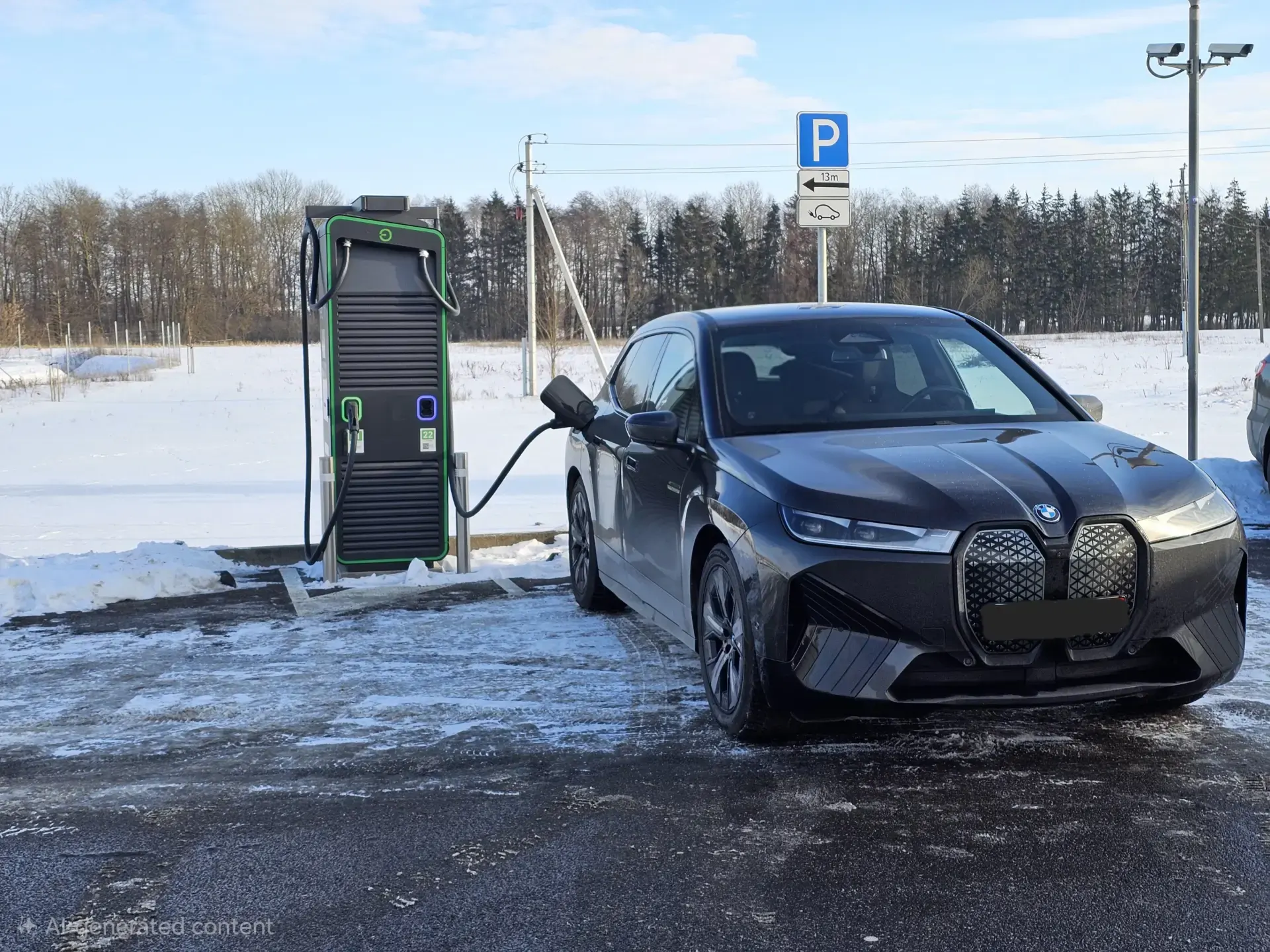
Charging became the real test. Without preconditioning, DC fast charging at minus seventeen was glacial. Normally you’d hit ten to eighty percent in about thirty-two to thirty-five minutes. In that brutal cold? An easy hour of charging.
But let’s be clear: if you’re in Chicago without a home charging station and considering an EV, the BMW iX xDrive45 can work. It won’t be as smooth as having a home charger, but it’s doable. The infrastructure exists, the car performs, and even without preconditioning, real-world efficiency will get you through normal daily driving.