

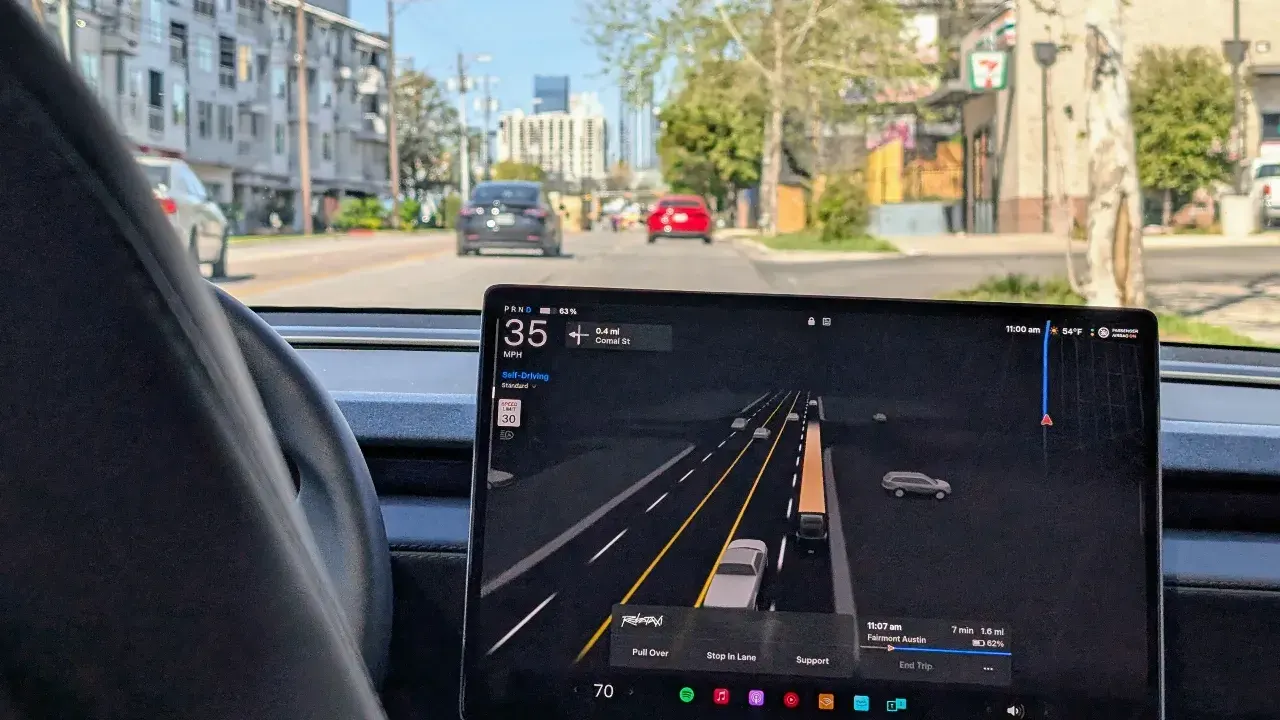
Public perception is a funny thing, especially when it comes to autonomous vehicles. We demand absolute, god-like perfection from lines of code while happily turning a blind eye to the daily, caffeine-fueled demolition derby orchestrated by human drivers. According to recent regulatory data tracking severe accidents involving injuries or major property damage from mid-April to mid-June, the narrative that self-driving cars are chaotic death traps is hitting a rather fact-based wall.
Tesla logged a single new accident, bringing its historical Austin-only tally to 18. Zoox added six for a total of 139, while Waymo clocked a massive 191 new incidents, pushing its cumulative historical count to a staggering 2,009.
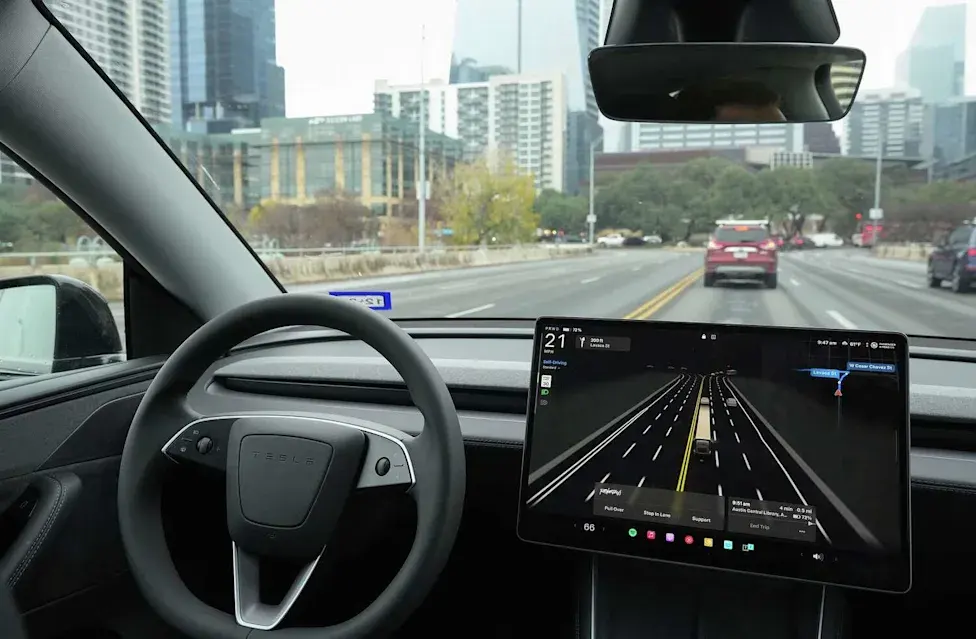
Granted, corporate public relations departments will rightly scream that these figures are not standardized for fleet size or mileage, and Waymo has vastly more cars on the road playing real-world Tetris than Tesla, but the statistics still reveal a fascinating disconnect between public hysteria and actual regulatory data.
Take that solitary Tesla Robotaxi incident in Austin, Texas, which serves as a perfect case study in human absurdity. The autonomous vehicle was behaving with the pristine, law-abiding obedience of an eagle scout, sitting completely stationary at a red light in a left-turn lane. A human piloting a massive pickup truck pulled up behind it, stopped, and then, apparently overwhelmed by the sheer complexity of remaining stationary, surged forward and slammed right into the back of the motionless Tesla. There were no paying passengers inside, just a lonely safety driver wondering why human evolution peaked thousands of years ago.
The Full Self-Driving system committed zero errors, yet the incident instantly became fuel for the “anti-AI” crowd. This highlights the ultimate, insurmountable paradox of achieving true Level 4 autonomy: robots are programmed to follow the law, whereas humans view traffic laws as mere polite suggestions.
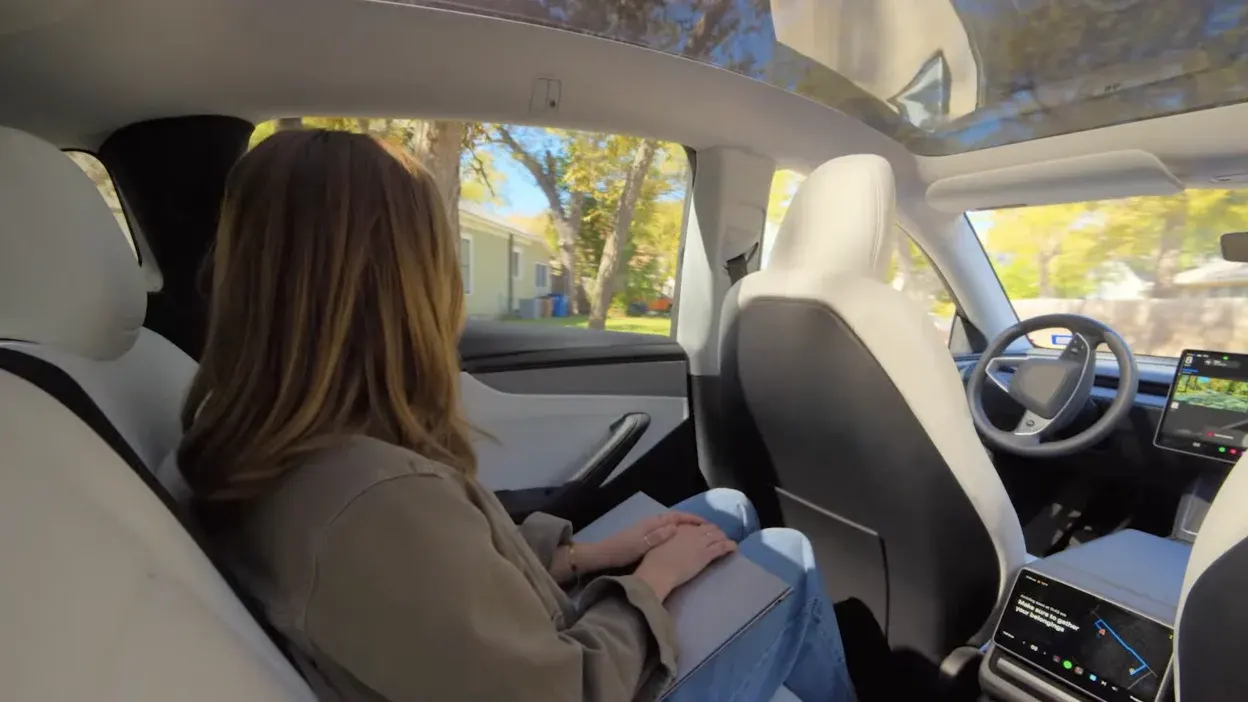
Neural networks do not scroll through social media, they do not suffer from road rage, and they do not roll through stop signs out of impatience. When a flawlessly rule-abiding machine is forced to share the asphalt with a distracted driver who navigates by vibes and bad habits, the human factor will always find a way to cause a wreck.