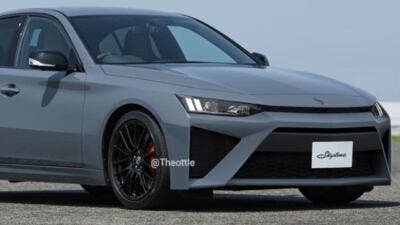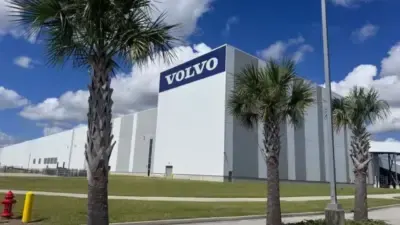
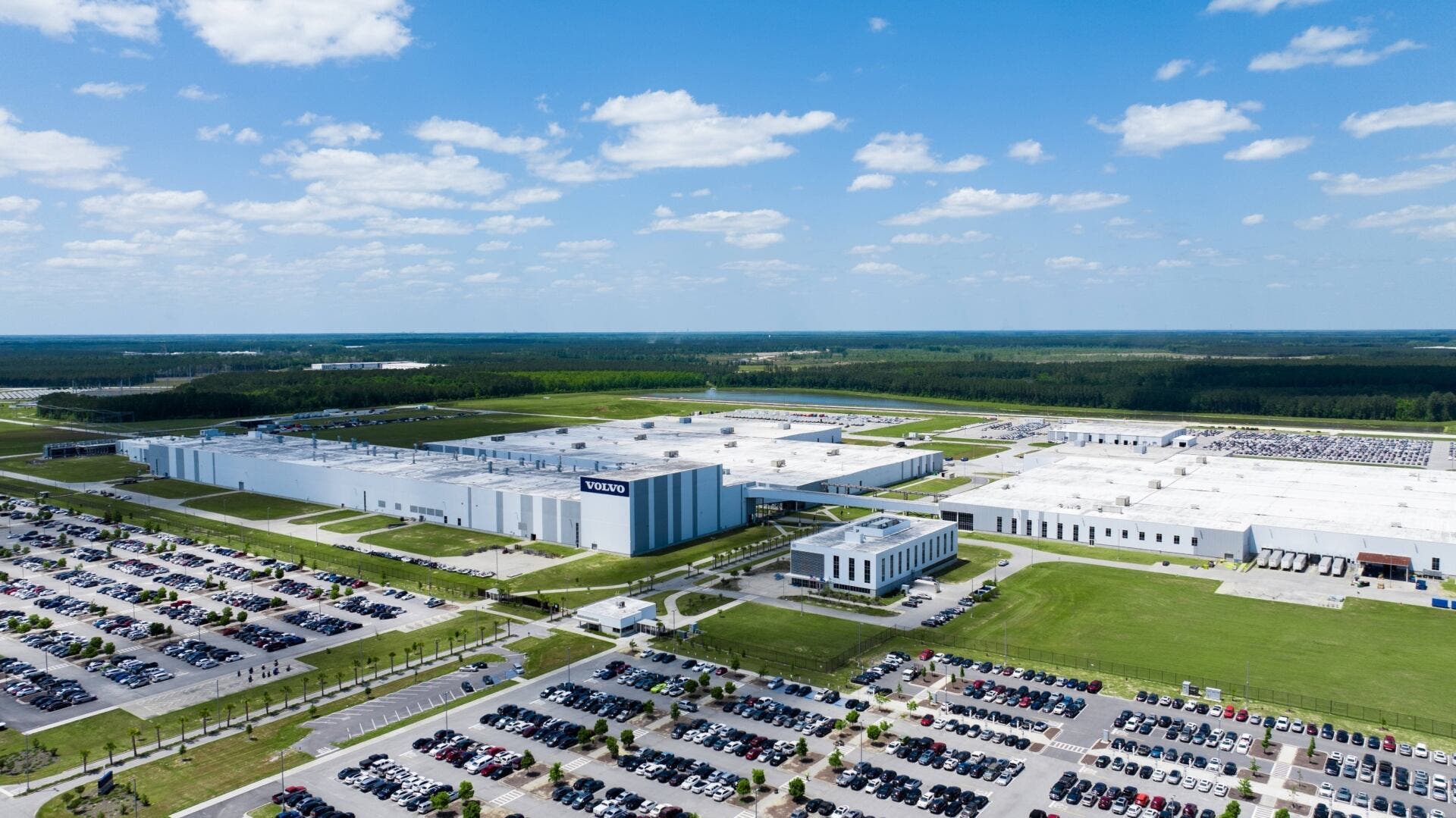
Geely is currently eyeing its South Carolina real estate, occupied by Volvo and Polestar, and wondering if it’s time to move the furniture around. While Geely’s VP, Victor Yang, is playing it cool by saying there are “no official plans”, Volvo’s Håkan Samuelsson is essentially leaving the porch light on.
Samuelsson recently admitted that the door is wide open to building Geely-tech vehicles in their US facility, provided they can navigate the thicket of American regulations. It’s a brilliant, if slightly cheeky, workaround to the massive tariffs designed to keep Chinese metal off US soil.
Let’s talk numbers. Geely is currently churning out hybrids in China that deliver nearly 60 mpg for about sixteen grand. In the United States, $16,000 barely buys you a decade-old hatchback with a “check engine” light that’s been glowing since the previous administration. This value proposition is exactly what’s missing in the American market, and it’s precisely why Ford’s Jim Farley is sounding the alarm. Farley and his allies in Washington are clutching their pearls, citing “risks to domestic manufacturing”.
We’re ignoring a demographic time bomb: Gen Z. A staggering 69% of younger buyers couldn’t care less about the geopolitical drama or where the motherboard was soldered; they just want a car they can actually afford without taking on a second mortgage. For them, a Chinese-designed EV isn’t a threat to national security.
Of course, the road ahead isn’t exactly paved with gold. Even if Geely successfully maneuvers its tech into a South Carolina assembly line, it still has to run the gauntlet of intense regulatory scrutiny over software and supply chains. Bypassing a 100% tariff is one thing; navigating a political minefield where the rules change every election cycle is another.
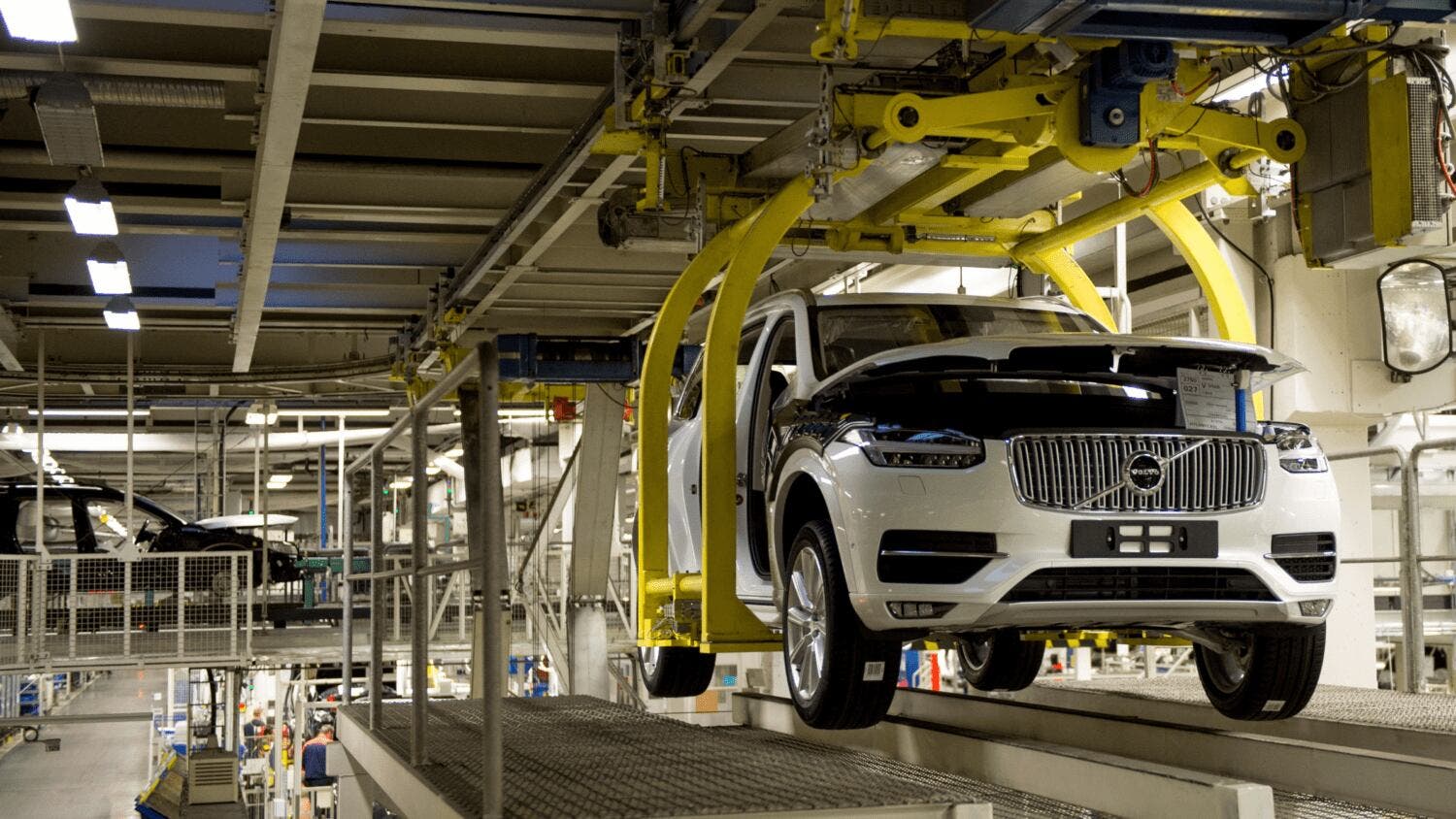
The real test won’t be whether Geely can build a car in America, but whether that car can remain “disruptive” once the lawyers, lobbyists, and compliance officers have taken their cut.