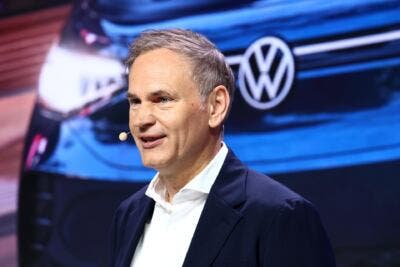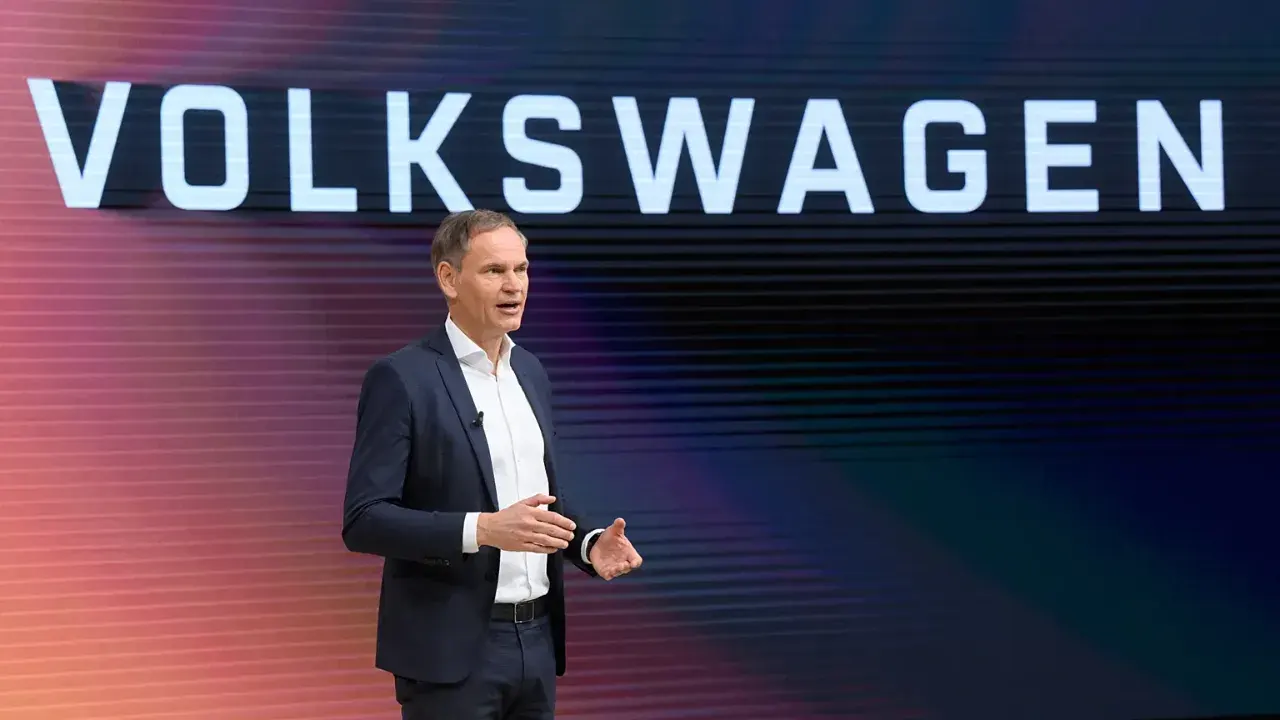
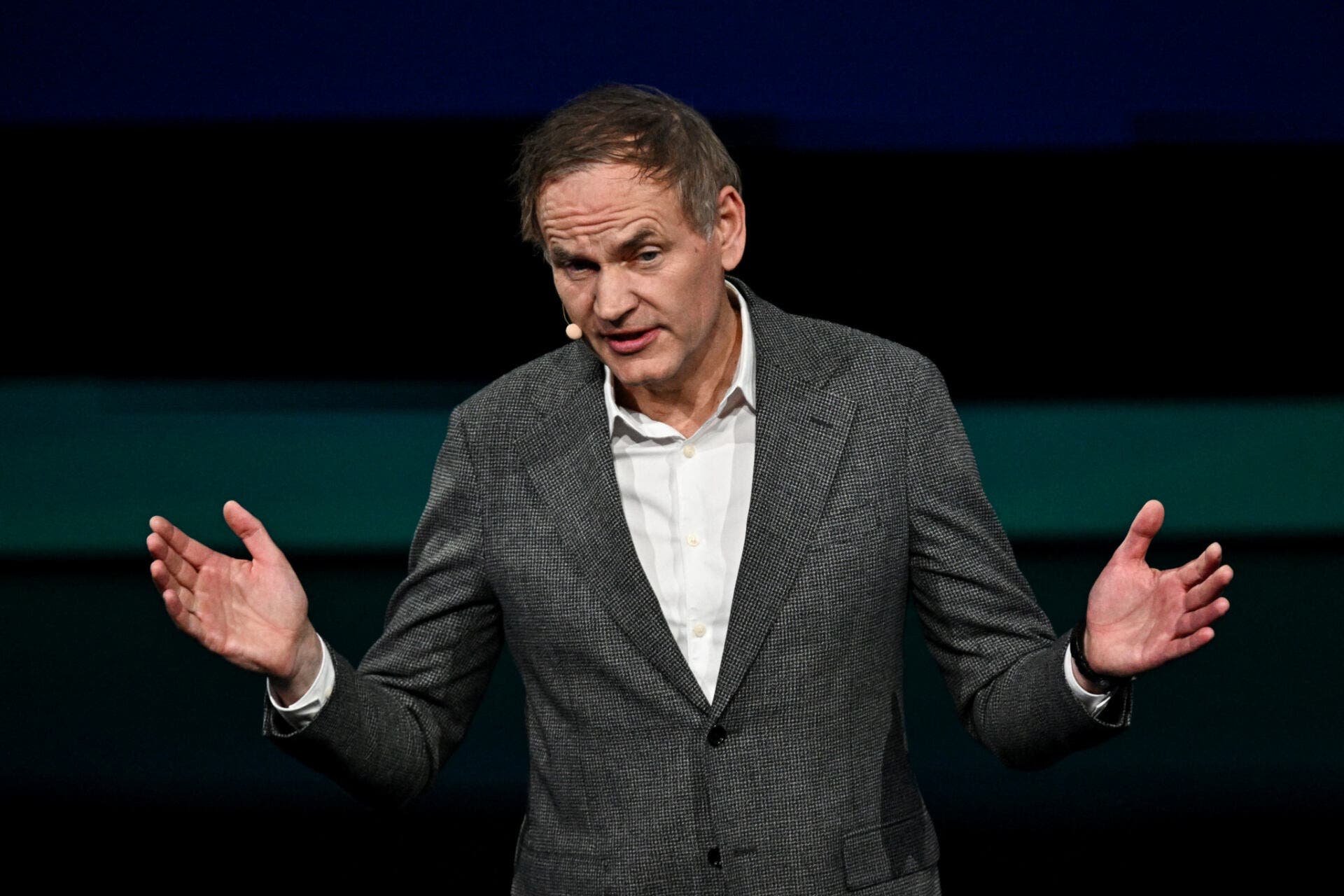
One hundred thousand jobs deleted with a corporate keystroke, four historic factories headed to the scrap heap, and a brutal restructuring plan that completely shatters 89 years of proud corporate tradition. What Manager Magazin dropped on Friday isn’t some dystopian fan fiction written by desperate automotive forum users; it is a cold, calculated reality that Volkswagen CEO Oliver Blume is quietly polishing before presenting it to the supervisory board on July 9. Welcome to the “Group Vision for 2030”.
Volkswagen is looking to slice its upcoming five-year investments by a staggering 15 percent, shrinking the budget to just over 130 billion euros. Under Blume’s ruthless magnifying glass sit the major manufacturing hubs of Hannover, Zwickau, and Emden, alongside Audi’s Neckarsulm plant.
The plan is brutally simple: once the current vehicle models finish their production runs, these factories will simply turn off the lights and lock the gates. This new strategic onslaught completely eclipses the company’s previous, almost quaint target of 50,000 layoffs, aiming instead to ax roughly 15 percent of the group’s global workforce, which stood at a massive 667,164 employees in 2025, with nearly half of them enjoying Germany’s supposedly ironclad labor protections.
Blume and his partner in financial engineering, CFO Arno Antlitz, are rearranging the entire skeleton. Their grand strategy involves separating the core Volkswagen passenger car brand from its components business, turning them into completely distinct entities so the group can desperately focus on its core automotive struggles.
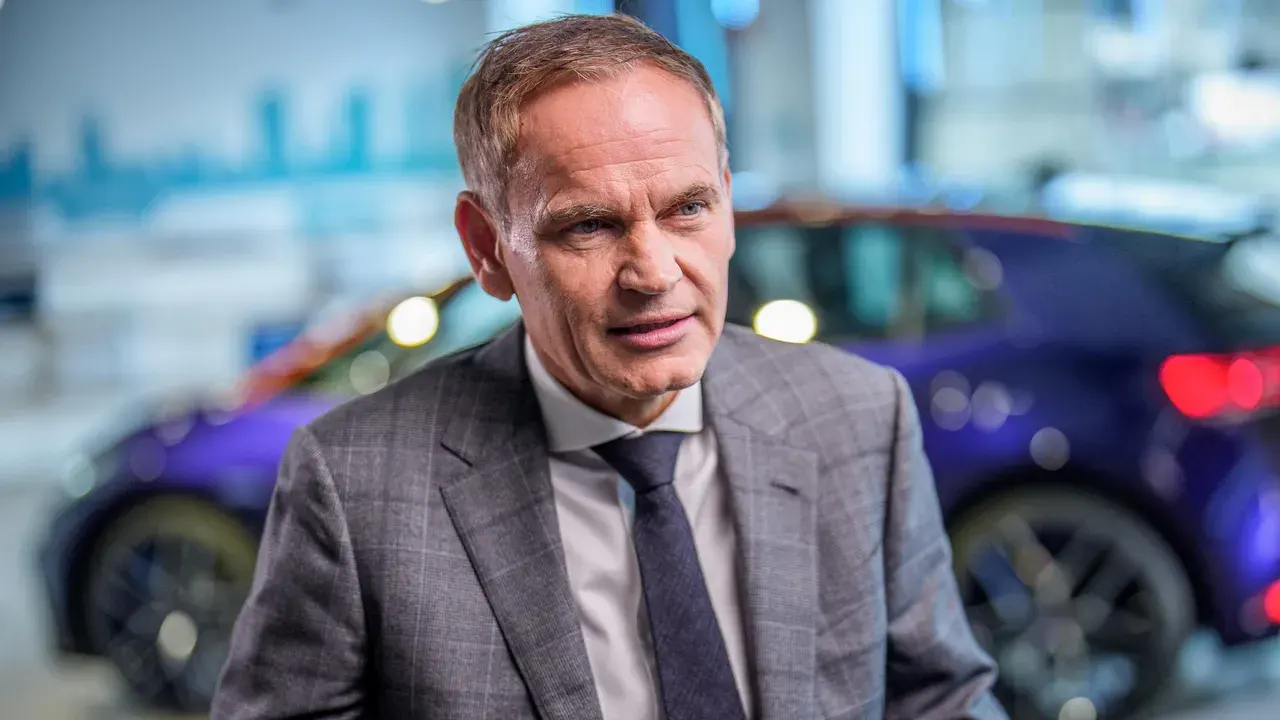
All of this panic unfolds while Wolfsburg tries to survive a toxic cocktail of heavy tariffs, a hyper-aggressive Chinese EV onslaught, and the crippling, eye-watering costs of the electric vehicle transition. A combination that has already severely bruised the company’s bottom line.
But the most delicious piece of corporate irony is how cleanly this plan violates a peace treaty signed with labor unions back in 2024, which explicitly guaranteed no German plant closures until the end of the decade. Naturally, the works council and the mighty IG Metall union aren’t taking this sitting down, loudly vowing to fight the corporate guillotine with everything they have. Meanwhile, an official Volkswagen spokesperson played the classic corporate defense card, refusing to comment on “confidential documents” while ominously muttering that “the entire group must undergo far-reaching change”.
Hilariously, Wall Street seemed thrilled by the chaos, with Volkswagen stock comfortably outperforming a DAX index that slid 1.1 percent. One thing is absolutely certain: whatever happens on July 9, the old Wolfsburg is officially dead.