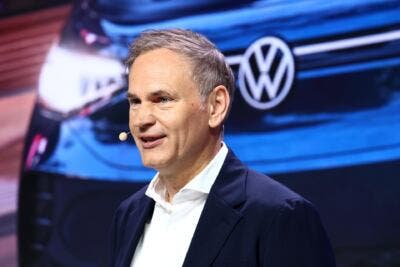
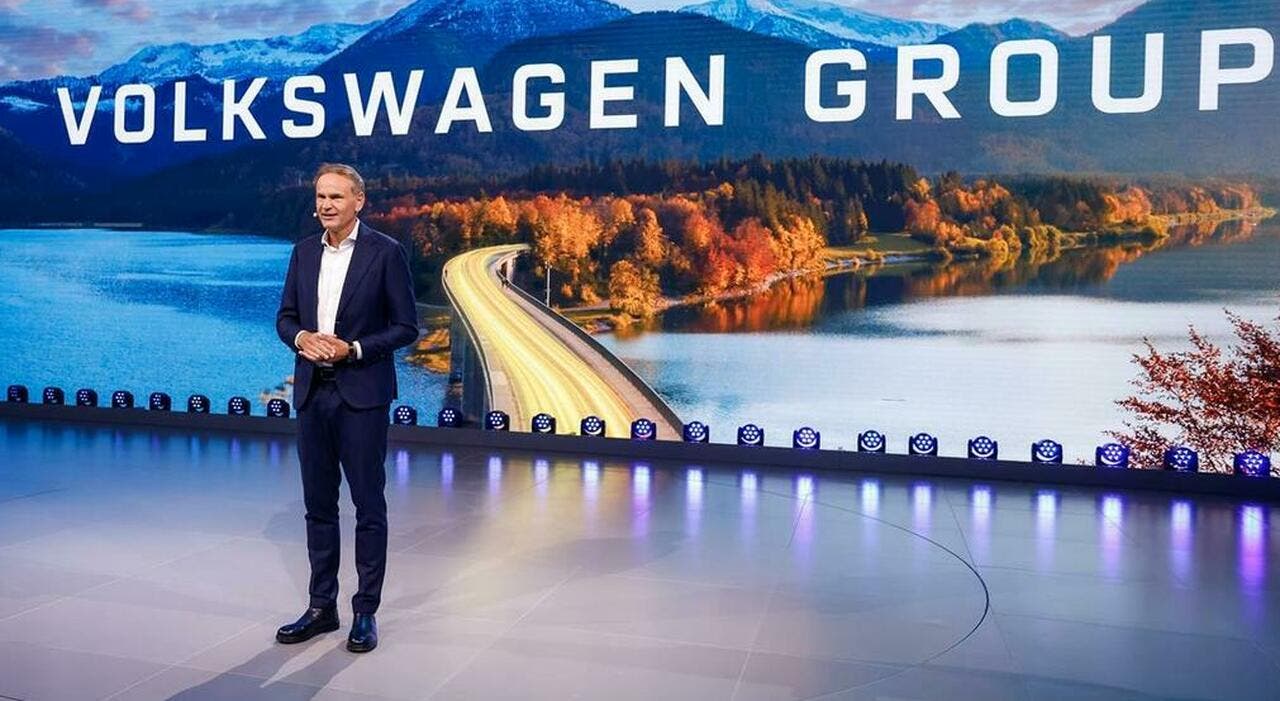
Volkswagen outlined its strategy through 2030 during its annual general meeting, with CEO Oliver Blume presenting a plan built around eight operational levers designed to respond to growing pressure in the global market. The challenges range from Asian competition and the electric transition to software, geopolitical tensions and new industrial balances.
Volkswagen prepares its 2030 turnaround with cuts, software and 20 new models
The first area of action concerns range simplification. The group wants to reduce configurations, versions and variants in order to concentrate volumes on fewer models, cutting development costs and reducing industrial complexity. Volkswagen will also rationalise its technical and electronic platforms, with the aim of accelerating the development of new hybrid and electric vehicles.
This includes the collaboration with Rivian on a new software architecture for Western markets. In China, meanwhile, the group has already developed an advanced electric and electronic structure together with Xpeng.
Volkswagen will adapt its production network to actual demand, reducing overcapacity and building a more regional and flexible industrial system. Europe, China and the United States will gain greater decision-making autonomy, a significant change for a group that has historically operated with a strongly centralised structure. The remaining levers focus on concentrating investment on core businesses, reducing management layers and creating governance designed for faster decisions.
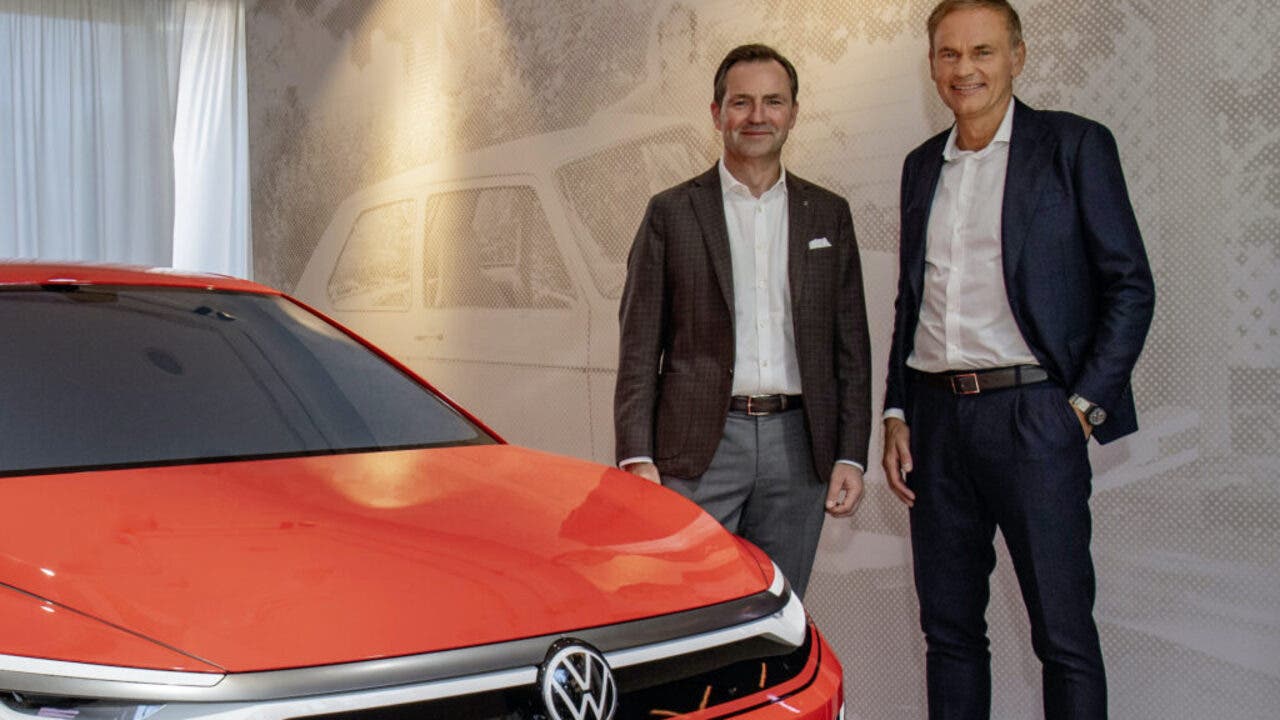
The impact on costs will be substantial. Volkswagen aims to exceed €6 billion in annual savings by 2030, with workforce reductions already agreed at Volkswagen, Audi, Porsche and Cariad. The group has set a financial target of an operating margin between 8% and 10% by the end of the decade, together with stronger cash flow in the automotive division.
The product offensive includes more than 20 new vehicles in 2026, after the 30 launched in 2025, covering electric, hybrid and combustion models. Electrification remains a priority, with Volkswagen strengthening the battery value chain through PowerCo and new plants planned in Spain and Canada. The challenge is to make the electric offer accessible and competitive against Chinese manufacturers.
Blume thus presents a Volkswagen seeking to reconcile financial discipline, industrial simplification and technological transition, in a context where the speed of adaptation could matter as much as production scale in an automotive sector, as defined by Blume, “in chaos.”