

Not every automaker grasped the memo that prices must climb at every opportunity. Volkswagen UK, in a move that feels almost subversive, has decided to swim against the current.
While across the Atlantic, tariffs, inflation, trade wars, and assorted economic calamities have turned price hikes into a year-round sport, secret mid-cycle increases now as routine as model-year updates, Volkswagen UK announced something genuinely unexpected: price reductions. Starting February 4, 2026, the Passat, Tiguan, and Tayron plug-in eHybrid models will cost between £750 and £950 less. That’s roughly $1,030 to $1,304 vanishing from the sticker, supposedly making “electric driving more accessible”.
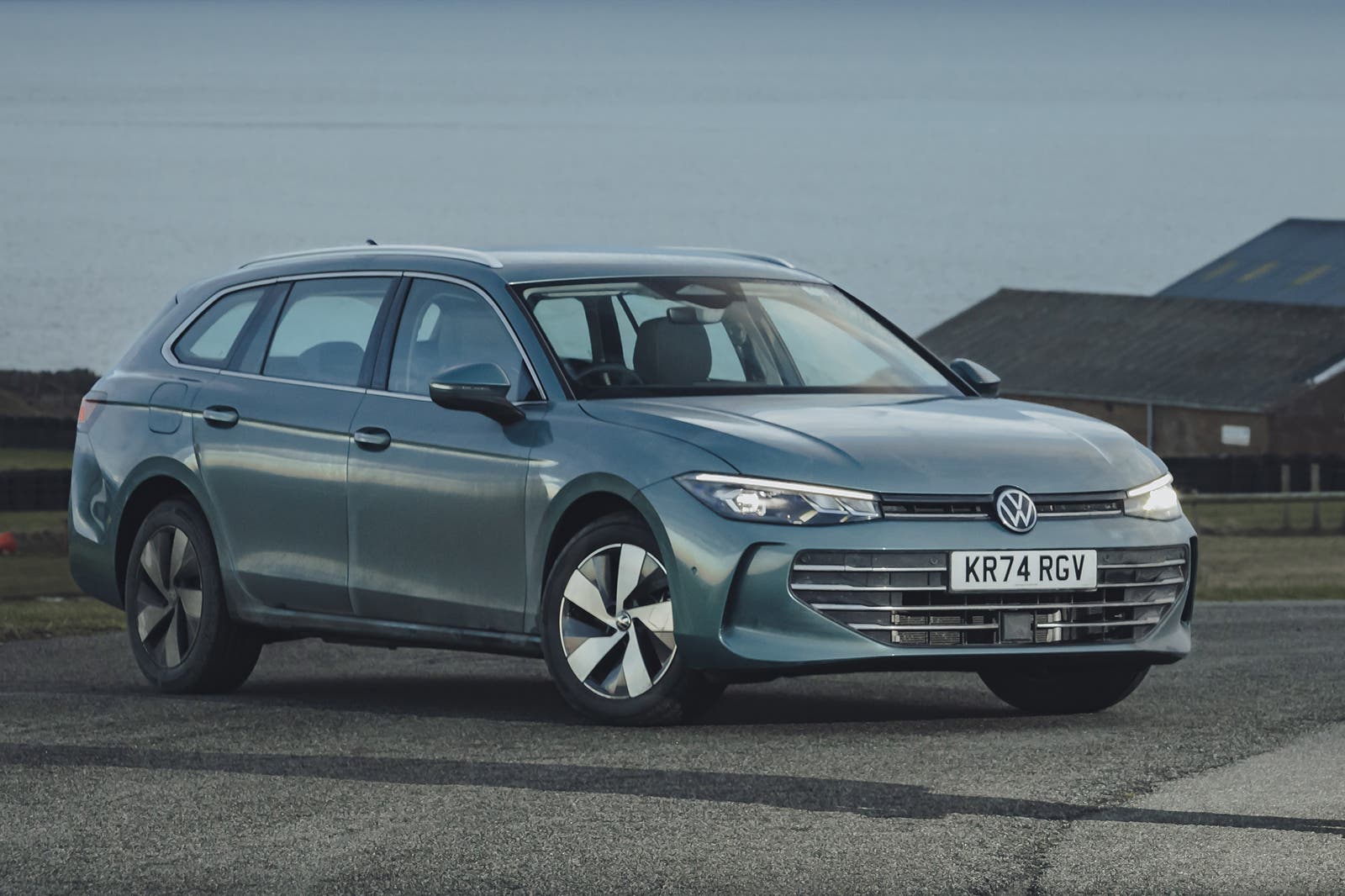
Whether this qualifies as meaningful relief or corporate theater is debatable. The new starting price for the 2026 Passat Match 1.5 TSI eHybrid, 204 HP, seven-speed DSG, sits at £43,735, approximately $60,000. Still steep, but at least the trajectory points downward for once. The range-topping Black Edition with 272 HP starts at £50,650, or about $69,500.
The Tiguan lineup, equipped with six-speed DSG transmissions, begins at £42,870 ($59,000) for the Life variant and climbs to £49,300 ($67,666) for its own Black Edition. Meanwhile, the Tayron, Volkswagen’s answer to the gap between Tiguan and Touareg, spans £44,915 to £49,200. Available only as a five-seater in eHybrid configuration, the Tayron boasts the largest trunk at 705 liters, compared to 490 for the Tiguan and 510 for the Passat.
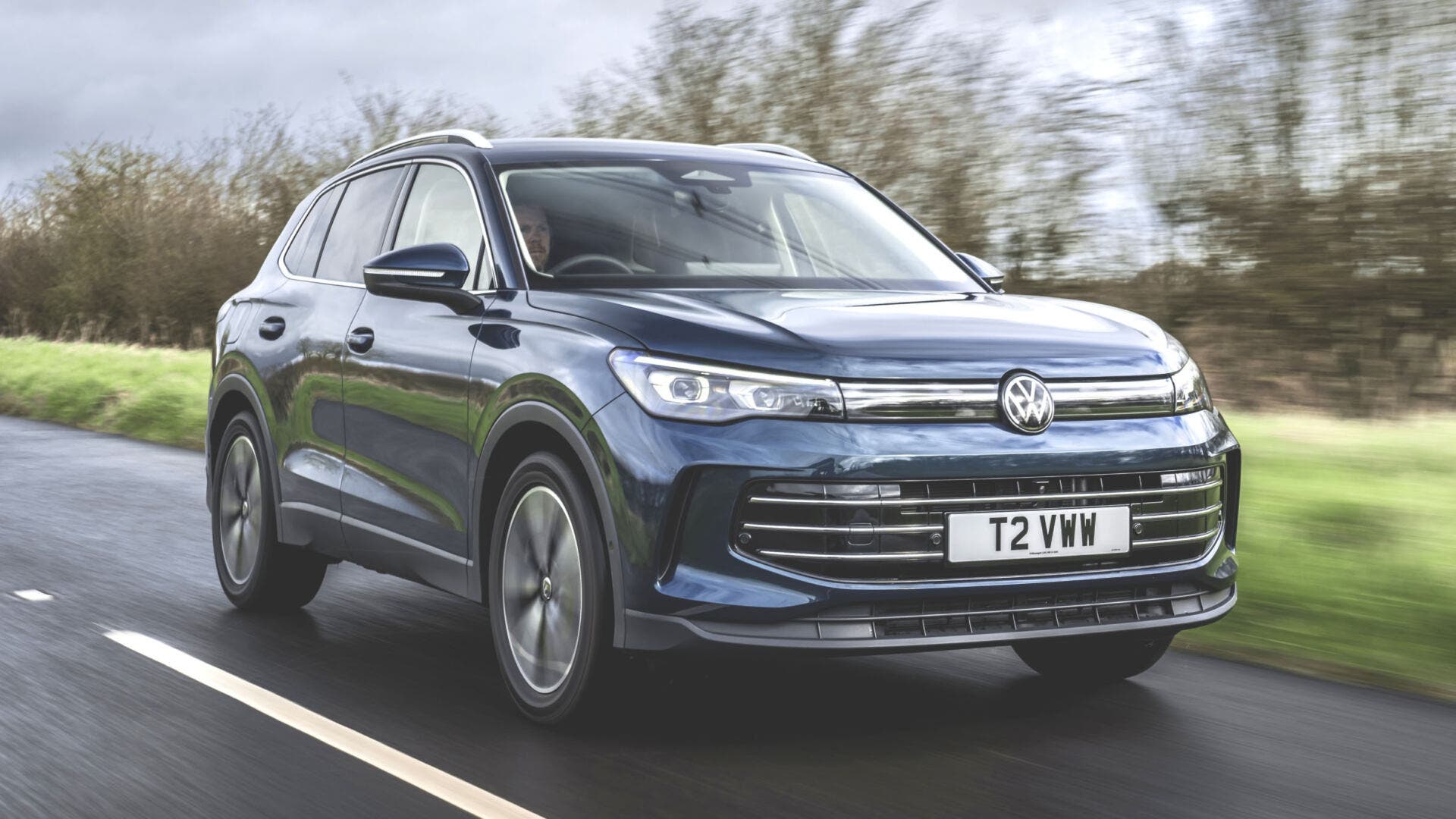
All three share the same 1.5-liter TSI plug-in setup, offering either 204 or 272 HP. Electric range reaches 74 miles for the Tayron and Tiguan, stretching to 82 miles for the Passat under WLTP testing. DC fast charging maxes out at 40 kW, requiring about 26 minutes to charge from 5 to 80 percent.
The Passat enters its ninth generation, the Tiguan remains Volkswagen’s global bestseller, and the Tayron slots neatly into a seven-seat role when configured appropriately. So here’s the question: does a modest price cut in one market matter when the rest of the industry treats affordability like an antiquated concept?