Ford just pulled out its checkbook to buy three years of quiet on the northern front. Unifor members voted overwhelmingly, 74% in favor, to ratify a brand-new three-year collective agreement with the Blue Oval. Running from September 21 through September 19, 2029, the deal hands hourly workers a clean 9% wage bump across the board. Full-time, permanent employees will enjoy a cozy CAD $10,000 ($7,101 USD) ratification bonus to take home, while temporary workers will have to settle for CAD $2,000 ($1,420 USD).
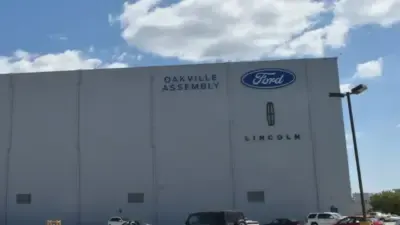
By the end of this contract, full-rate production workers will see their hourly pay climb to CAD $50.20 ($35.64 USD), while skilled tradespeople hit CAD $62.71 ($44.53 USD) an hour. Toss in an updated starting pay scale for new hires, boosted pensions, a cost-of-living allowance, improved retiree health coverage, and surviving spouse benefits, and it becomes clear Unifor wasn’t playing around. Even laid-off workers at the Oakville Assembly plant got a life raft: a special CAD $10,000 ($7,101 USD) payout and a mapped-out pathway back to full employment slated for July 1, 2027.
The real headline for gearheads, however, lies in where the money is actually going. Ford is dumping CAD $1.25 billion ($888 million USD) into its Canadian footprint. Alongside pre-planned investments at Oakville, Ford is throwing CAD $700 million ($497 million USD) directly at the Essex engine plant. Why? To squeeze every last drop out of the iconic 5.0-liter V8 and expand production of the heavy-duty 7.3-liter V8, complete with a new third shift planned for 2029.
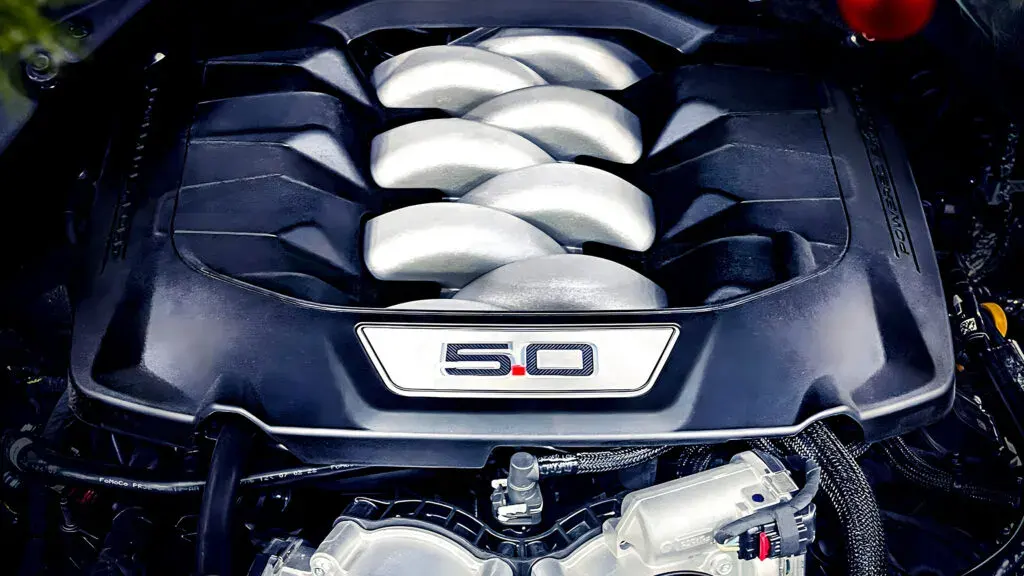
While the industry pretends internal combustion is extinction-bound, Ford is literally adding shifts to keep building big V8s. CEO Jim Farley praised the deal as an investment in Canada’s future, while taking a moment to plug the USMCA agreement and complain about the unfair currency advantages enjoyed by Asian rivals.
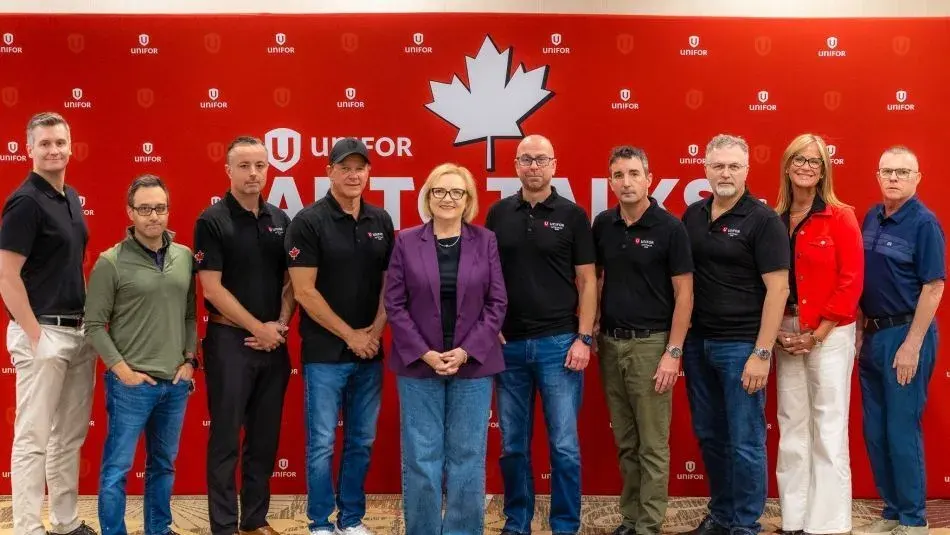
Unifor National President Lana Payne hailed the agreement as a victory carved out of industry disruption. But with Ford officially signed, sealed, and delivered, the union’s target now shifts straight to General Motors and Stellantis.