

In the United States, another battle is unfolding between automakers and dealership networks, and this time the front line has opened in Colorado. Here, the state’s dealer board has officially authorized Scout Motors to sell its vehicles directly to customers, bypassing traditional dealerships. The decision, approved by a six-to-two vote, could set a significant precedent for the entire industry.
This ruling allows Scout, a brand controlled by the Volkswagen Group, to adopt a sales model similar to Tesla’s. The company can now open its own experience centers, manage customer relationships directly, and, most importantly, set fixed and transparent prices. As a result, Scout eliminates the markups that many dealers have applied in recent years. Not surprisingly, this shift has immediately intensified tensions with the traditional retail network.
Scout Motors wins approval for direct vehicle sales in Colorado
In the US, many franchise laws date back decades and require automakers to sell vehicles exclusively through franchised dealers. Tesla was the first to challenge this system in several states, and now Scout is following the same path. The brand aims to deliver a direct, digital, and tightly controlled buying experience, inspired by the Apple Store model, where the brand interacts with customers without intermediaries.
For consumers, the promise is appealing. In the years following the pandemic, many US dealers applied additional markups exceeding $10,000 or even $20,000 above official sticker prices. Through direct sales, Scout intends to remove these distortions. In Colorado, customers will be able to order a vehicle online and pay exactly the listed price, without prolonged negotiations or last-minute fees.
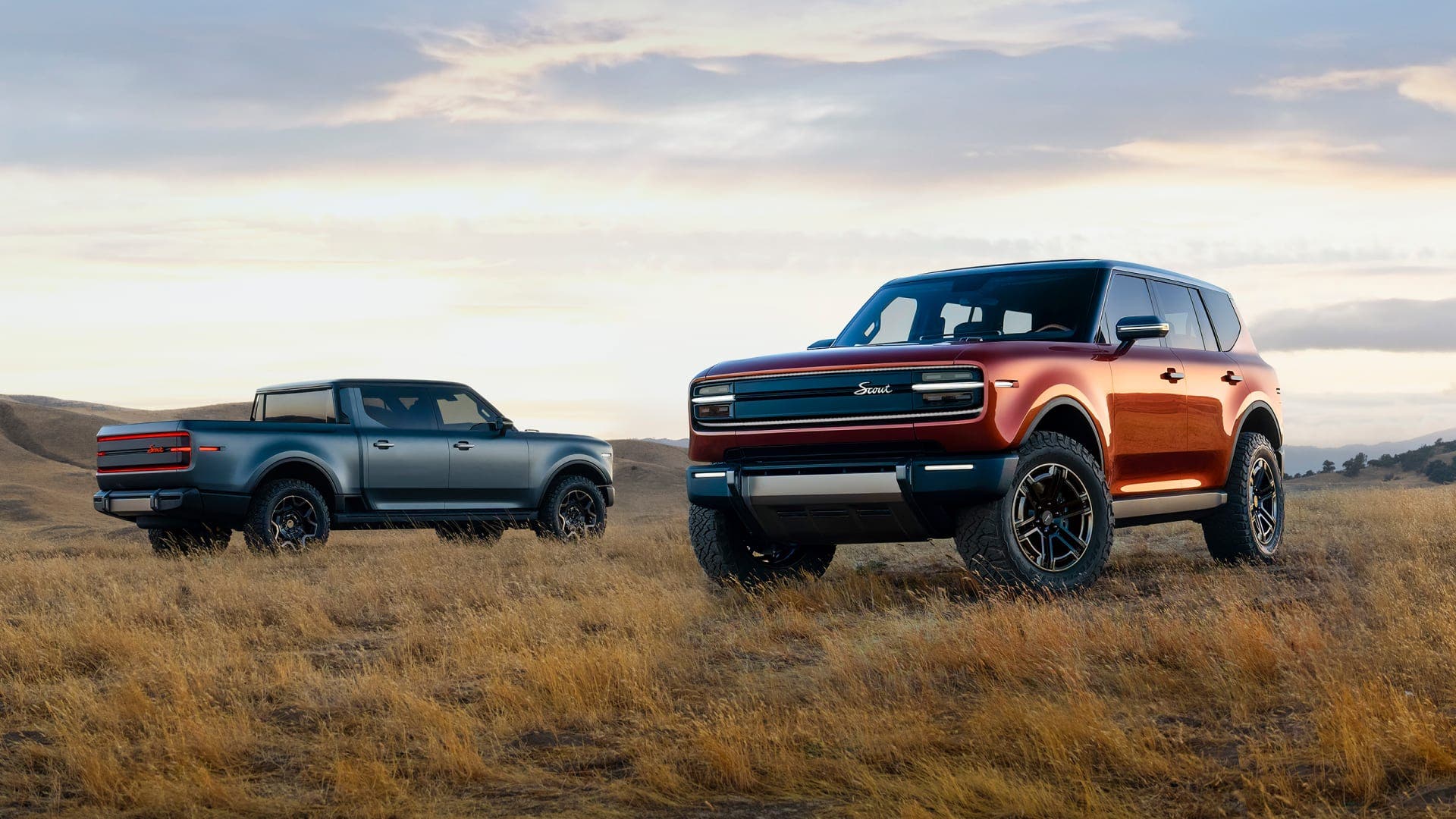
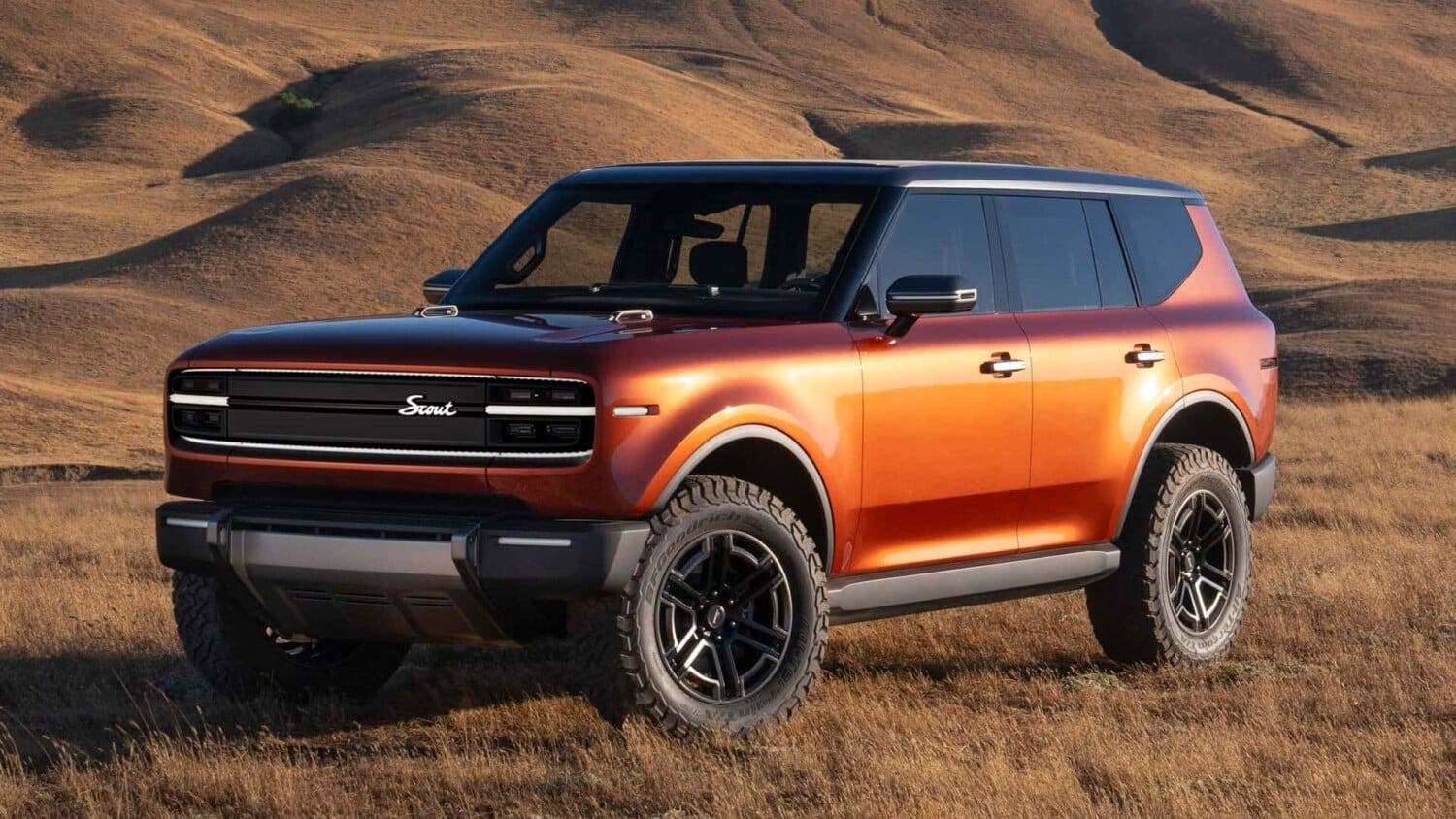
While this decision represents a strategic victory for Scout, it delivers a serious blow to dealerships. For years, dealers had urged Volkswagen to offer products capable of competing with major American pickups and SUVs such as the Ford F-150 and Chevrolet Silverado. Now that the Scout Terra and Scout Traveler are nearing launch, dealers are discovering they will not be allowed to sell them.
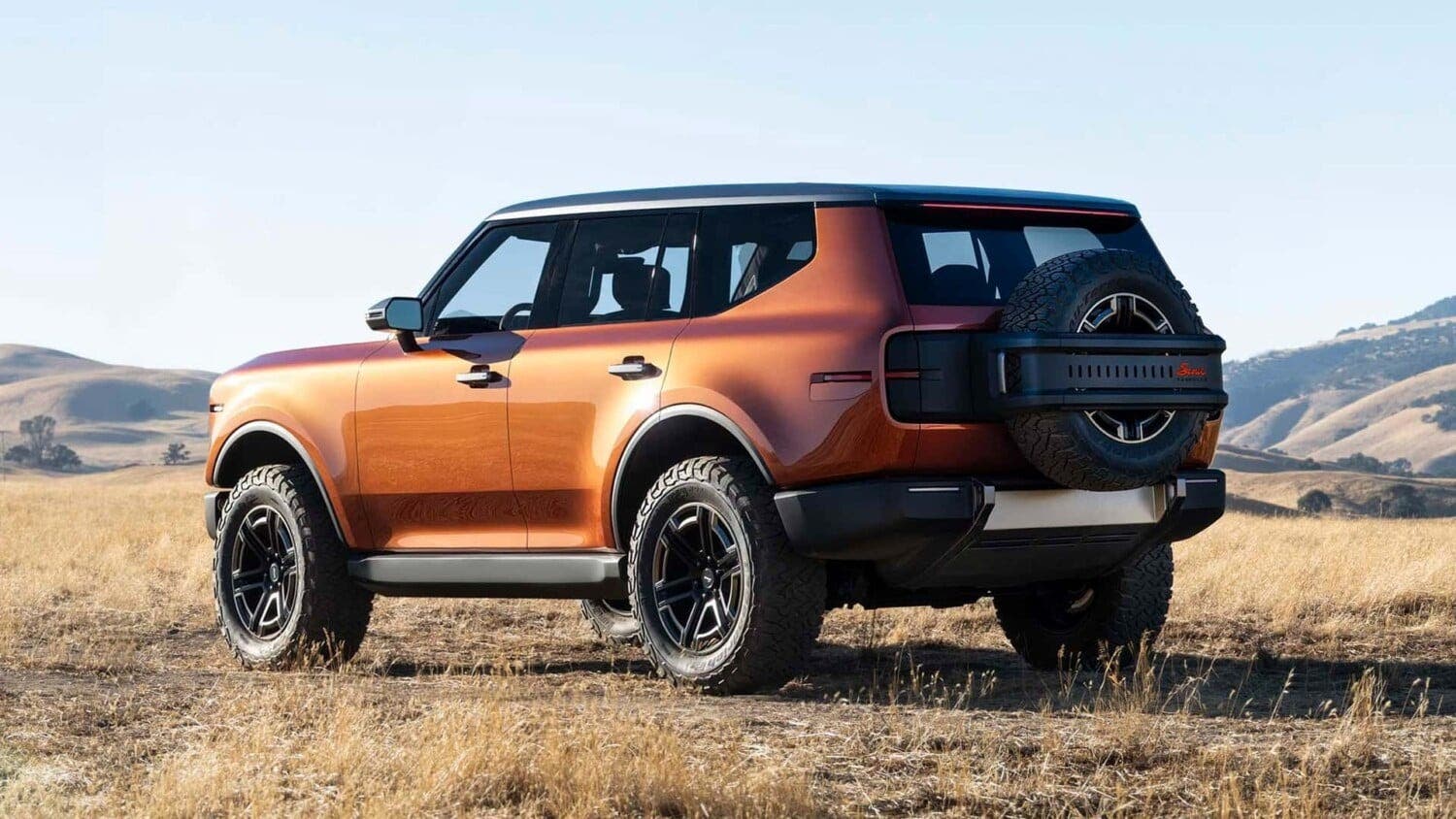
Tensions have also increased due to Scout’s technical strategy. The brand plans to offer both fully electric versions and range-extender variants, a combination that strongly appeals to US buyers. Ironically, these models, which could have generated substantial volume and profit for dealers, will instead reach the market through direct channels.
Unsurprisingly, legal actions have already begun in states such as Florida and California. There, dealer associations argue that Scout effectively operates as an extension of Volkswagen and should therefore comply with existing franchise agreements. Colorado represents only the first step in what is shaping up to be a long and complex legal battle. In states like Texas, for example, even Tesla still cannot sell vehicles directly.
Nevertheless, this decision shows that change is underway. The traditional automotive distribution model is beginning to show clear cracks, and Scout appears ready to exploit them as it prepares to launch its new off-road vehicles starting in 2027. This challenge could ultimately reshape the rules of the game in the United States.