

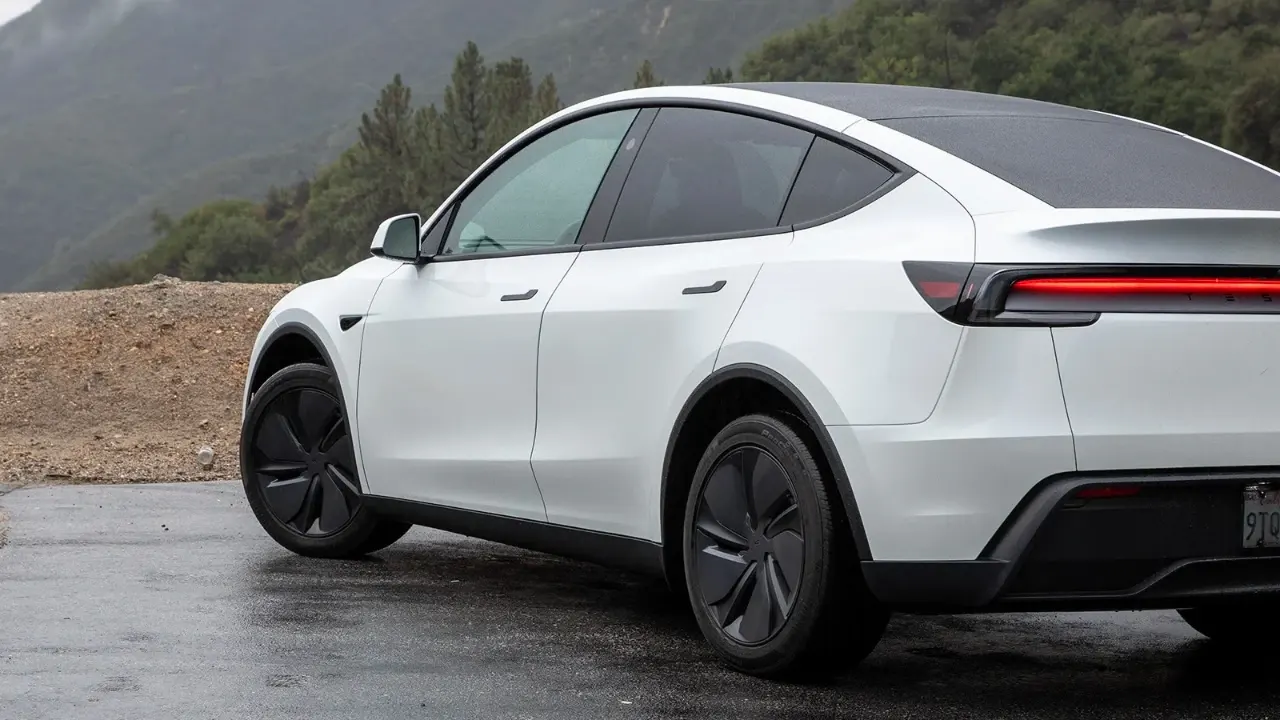
The German TÜV Report 2026 has just dropped, and if you own a Tesla Model Y, you might want to look away. While the German road safety analysis focuses on the local market, its findings on EV reliability are sending shockwaves across the Atlantic.
Despite being the world’s best-selling car in 2023 and 2024, the original Tesla Model Y has achieved a dubious honor. It is officially the worst-aging popular car in the study. After just 2-3 years of use, it boasts a staggering 17.3% significant defect rate.
To put that in perspective, this is the highest failure rate recorded in a decade for cars this age, making the notorious Dacia Logan look like a paragon of quality. Its sibling, the Model 3, isn’t faring much better, sitting at the bottom of the rankings with a 21% failure rate as it hits the 4-5 year mark.
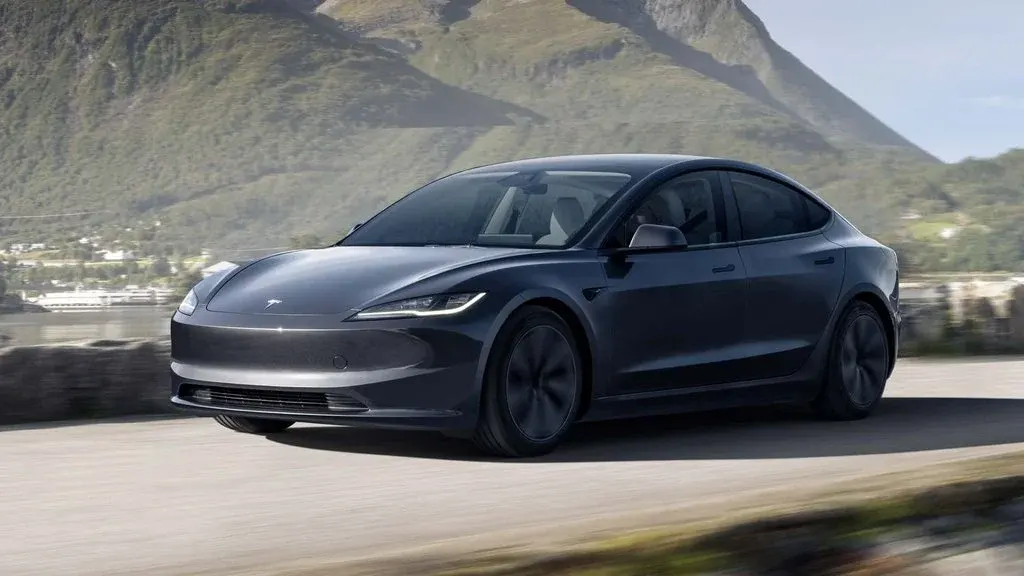
The TÜV Association points to the massive weight of Tesla’s batteries for obliterating suspension systems. Meanwhile, the braking system is suffering from not being used enough. Because Tesla’s regenerative braking is so aggressive, the physical brake discs often sit idle until they simply rot away. It turns out that saving the planet by not using your brakes might just result in a “dangerous” defect rating at your next inspection.
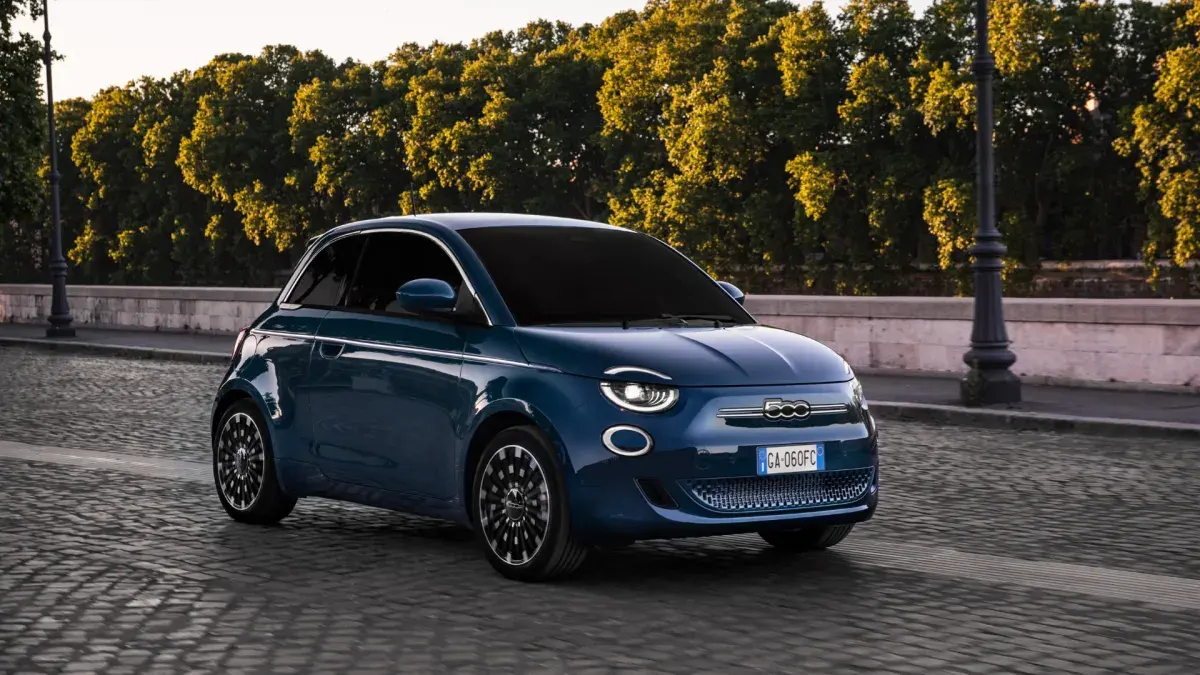
However, not all electric dreams turn into maintenance nightmares. The Mini Cooper SE is aging gracefully with a tiny 3.5% failure rate, followed closely by the Audi Q4 e-tron and the Fiat 500e. It is currently the top-performing city car in the study. Even the Opel Corsa-e and Volkswagen ID.3 are cracking the Top 10 for reliability.
While Tesla dominates the sales charts, the TÜV Report 2026 suggests that traditional manufacturers might actually know a thing or two about building a car that doesn’t fall apart after its first few birthdays.