

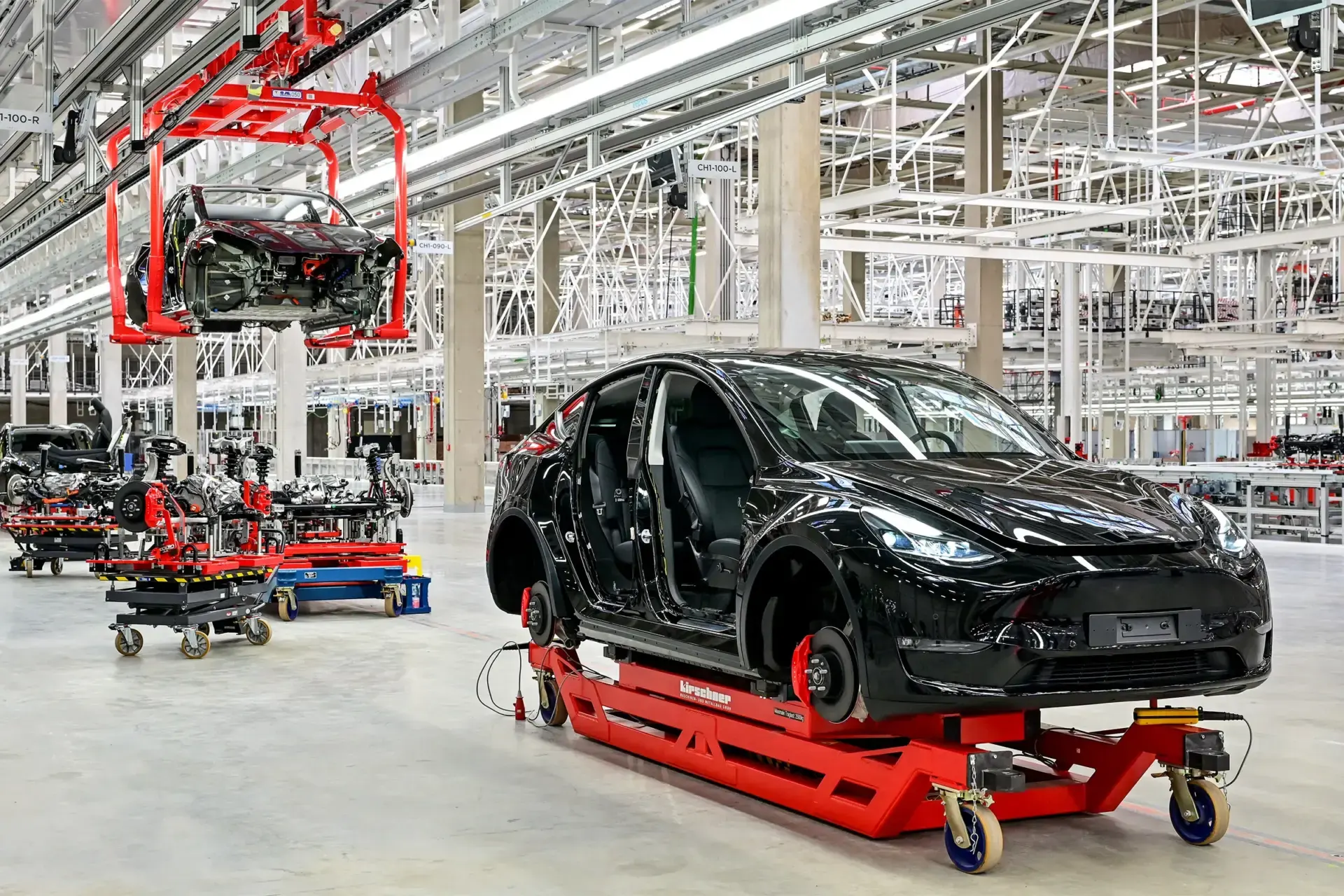
While Donald Trump in the United States raises his rhetoric against electric vehicles, Tesla is playing a very different game. In Europe, the American automaker is preparing an industrial move that could reshape its presence across the continent. Starting in 2027, Tesla plans to launch in-house battery cell production in Germany, in the Grünheide area near Berlin, significantly reducing its reliance on U.S.-supplied cells.
Tesla is currently facing a challenging phase in Europe, marked by declining sales and increasingly price-sensitive customers. This leads to the key question for European buyers: will this industrial shift translate into lower prices by 2027, or will it mainly strengthen Tesla’s long-term strategic position?
Tesla reshapes its European strategy with in-house battery cell production
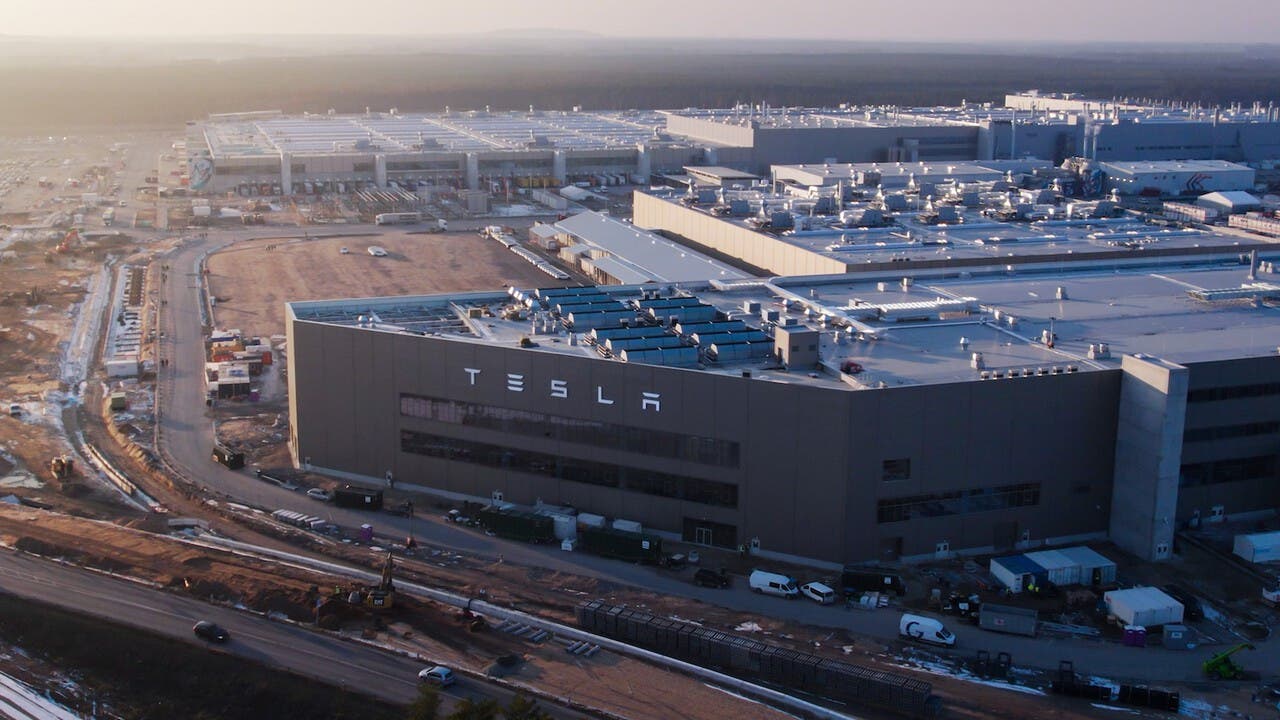
The political and economic context differs sharply from that of the United States. While Trump’s return brings a cooler stance toward EV support policies in the U.S., the European Union continues to push strongly toward zero-emission mobility. At the same time, Brussels aims to reduce dependence on China across the entire battery supply chain. In recent months alone, the EU has allocated more than €850 million to support six industrial projects focused on EV battery cell production.
Within this framework, Tesla’s Grünheide plant takes on a central role. Today, the site produces the Model Y, but it relies on imported cells. According to the German news agency DPA, Tesla intends to begin local cell production at the site in 2027, with an annual capacity of around 8 GWh, enough to supply roughly 130,000 vehicles. The strategy focuses on concentrating the entire process in one location, from battery cells to finished vehicles, thereby minimizing external dependencies and strengthening supply-chain resilience.
To achieve this goal, Tesla is prepared to invest heavily. The company has outlined a total commitment close to €1 billion for the cell production facility, with additional investments worth several hundred million euros already planned. The stated objective is to increase vertical integration, a manufacturing model that remains rare in Europe at this scale.
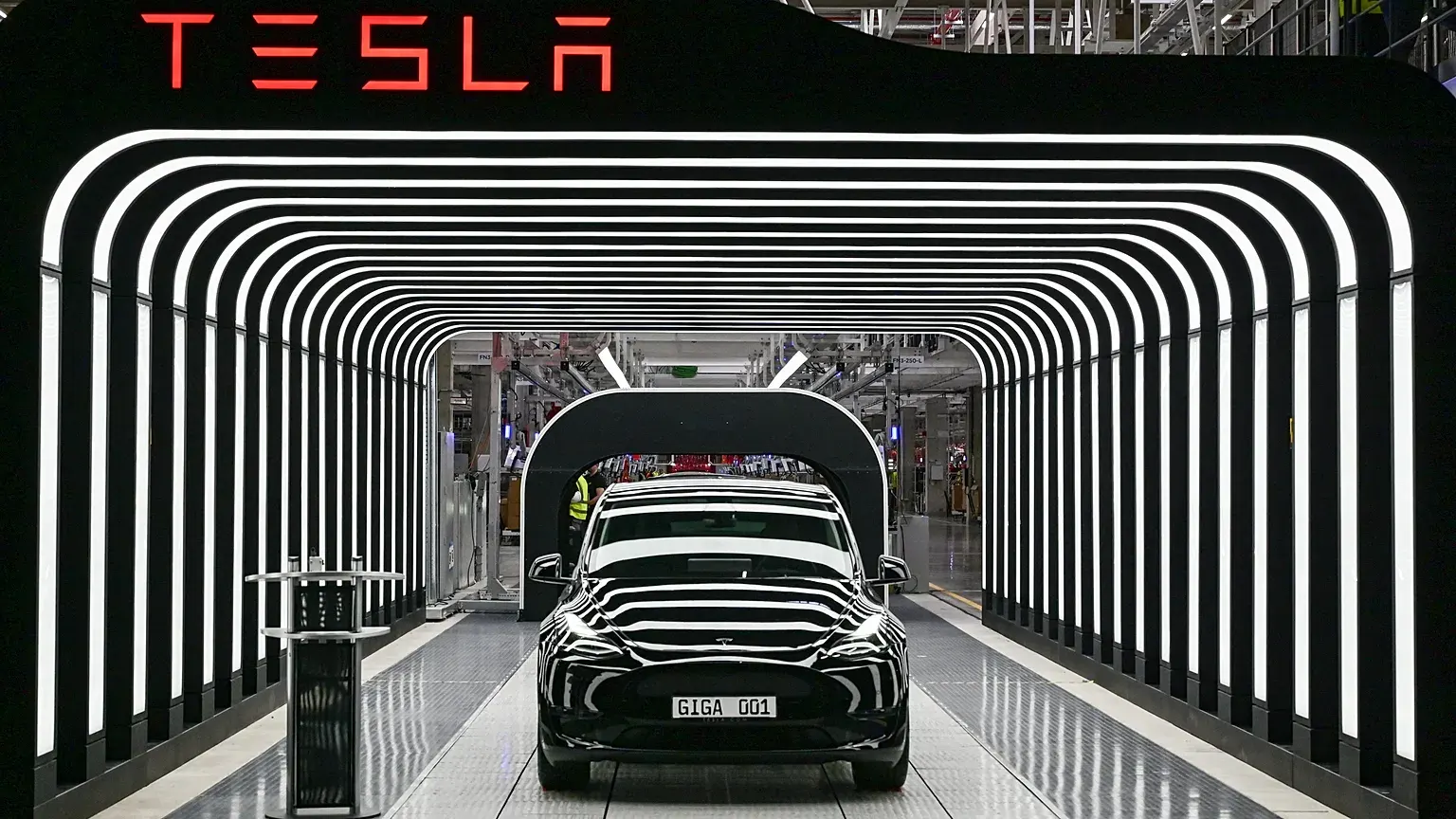
Looking ahead, Tesla does not rule out an even more ambitious scenario, in which the entire battery value chain is concentrated at Grünheide. This would mean producing everything locally, from cells and battery packs to final vehicle assembly, cutting logistics costs and reducing transcontinental transport.
However, pricing remains the critical issue. Local battery production in Europe can lower transportation costs and reduce currency exposure, yet Tesla itself acknowledges that producing low-cost cells in the European context remains extremely challenging, especially when compared with China and the United States. In other words, local manufacturing improves supply security but does not automatically guarantee price cuts.
Market pressure, however, continues to build. Tesla’s European market share fell to 1.6% in 2025, down from 2.4% the previous year, with some countries experiencing particularly sharp delivery declines. In this environment, any cost savings along the supply chain could prove decisive, both to protect margins and to make Tesla’s models more competitive. A final decision on pricing implications is expected by 2027.