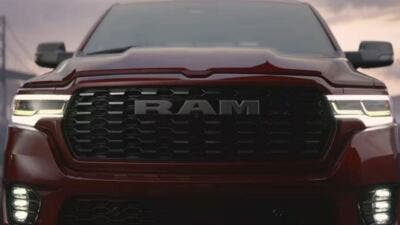
America loves its pickup trucks. The Ford F-150, the Chevrolet Silverado 1500, the Ram 1500: these are not merely vehicles. They are cultural monuments on wheels, rolling declarations of a certain idea of freedom. Europe, however, has a different idea. And it involves keeping those monuments off its roads.
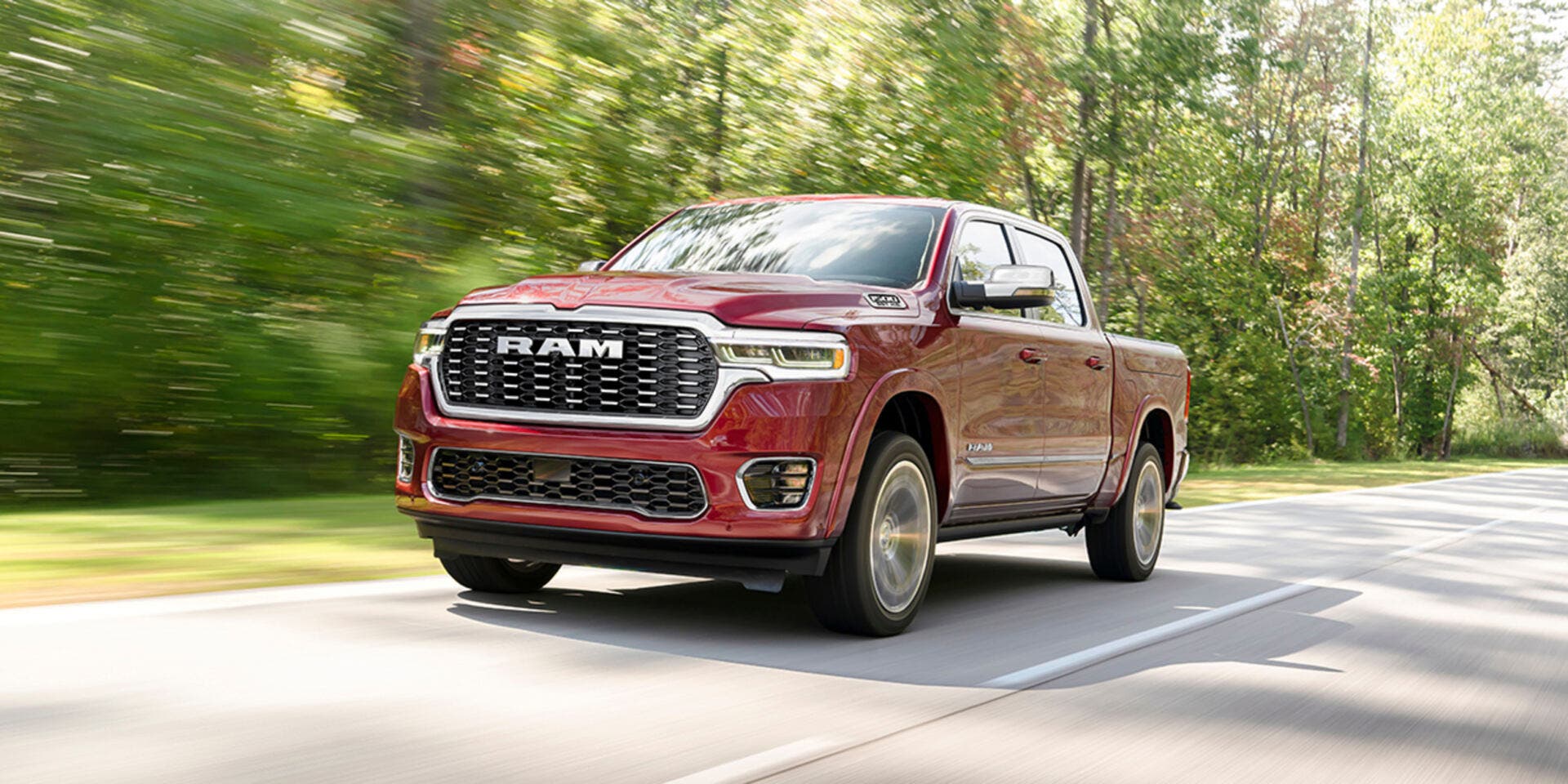
The European Union is tightening its Individual Vehicle Approval scheme, the regulatory backdoor through which US automakers have been quietly importing around 7,000 large SUVs and pickup trucks per year. More than 5,000 of those were Ram 1500s alone. The revised rules, expected to launch in 2027, are designed to close loopholes that Brussels says allow unsafe vehicles onto European roads.
The EU-US trade deal finalized in 2025 cut American tariffs on European imports from 27.5% to 15%, while the EU slashed its own tariffs on US vehicles from 10% to zero. A gentle arrangement. Except now, with the IVA tightening on the horizon, US carmakers are crying foul, arguing that the EU agreed to recognize American safety standards as part of the deal, and that changing the rules now amounts to a non-tariff trade barrier dressed up as road safety policy.
US Ambassador to the EU Andrew Puzder was characteristically blunt: “You can’t have low tariffs and massive non-tariff trade barriers and claim you’ve got a functioning relationship”. The American Automotive Policy Council, representing Ford, GM and Stellantis, had already urged the Trump administration in December to block the EU’s move. The response from Brussels has been equally firm, with environmental group Transport & Environment pointing out that Ram bonnets sit so high that children up to nine years old standing directly in front of the vehicle cannot be seen by the average driver.

Large US pickup trucks account for less than 0.1% of the European car market. This is not a volume dispute. It’s a symbolic one. And in trade negotiations, symbols have a way of becoming very expensive, very fast. The EU currently holds the stronger hand, lower tariffs locked in, ratification still pending on its own schedule. The question is whether Brussels will blink. Based on the evidence so far, the answer looks like a firm no.