

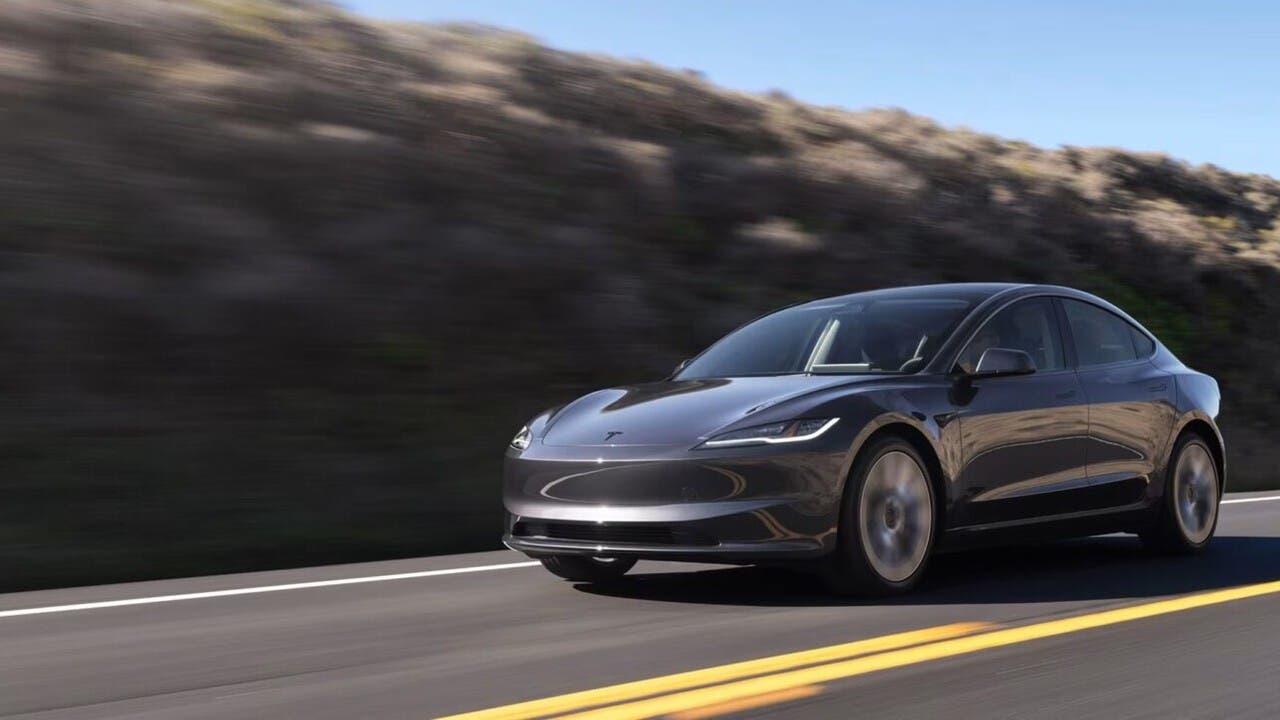
For most electric vehicle drivers, seeing a big zero on the dashboard is the ultimate signal of doom, usually followed by sweaty palms and a frantic prayer to the gods of infrastructure. But as it turns out, “zero” might just be a suggestion if you happen to be behind the wheel of a 2026 Tesla Model 3 Premium.
In a recent experiment that would give any sane person a heart attack, Kyle Conner from the YouTube channel Out Of Spec Testing pushed a Model 3 Premium, formerly known as the Long Range RWD, to its absolute limit. After preconditioning the battery and resetting the trip computer at the exact moment the display hit 0%, the car didn’t just die. The Tesla continued to roll for a staggering 31 miles past its supposed expiration date.
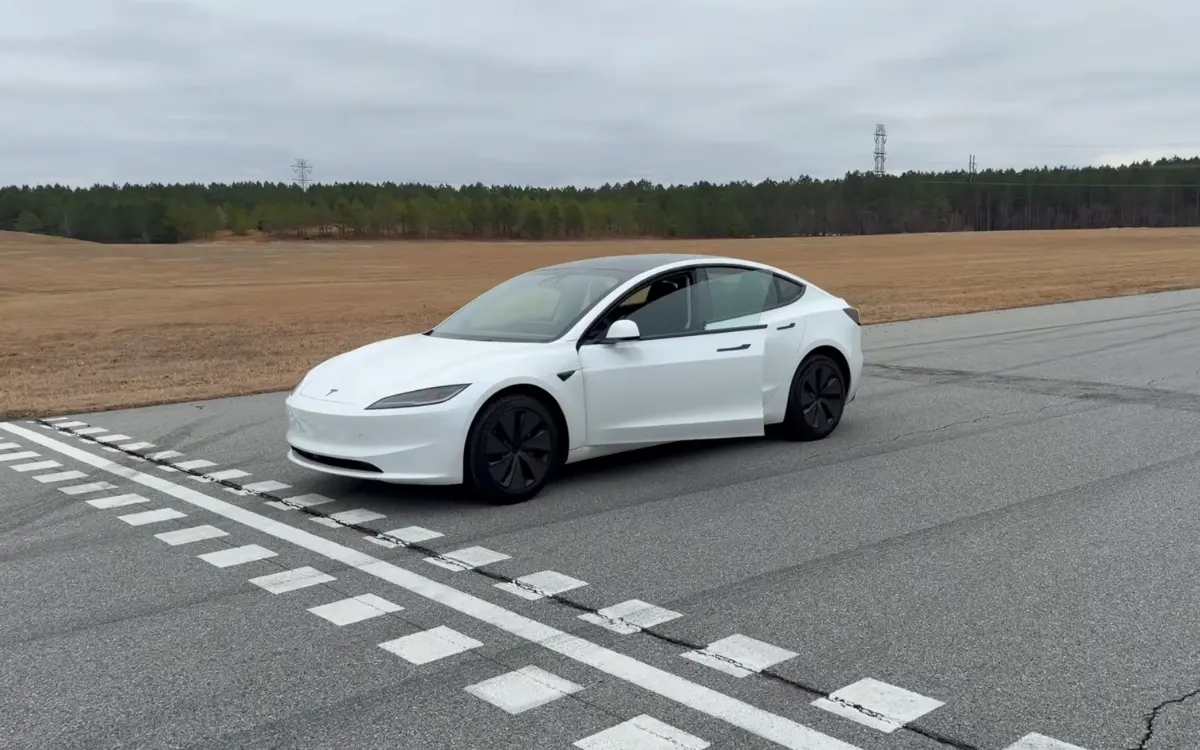
This hidden energy buffer accounted for nearly six kilowatt-hours of “secret” juice that Tesla quietly tucked away for emergencies. Considering the EPA-estimated range for this model is 363 miles, this backup represents nearly 10 percent of the total battery capacity.
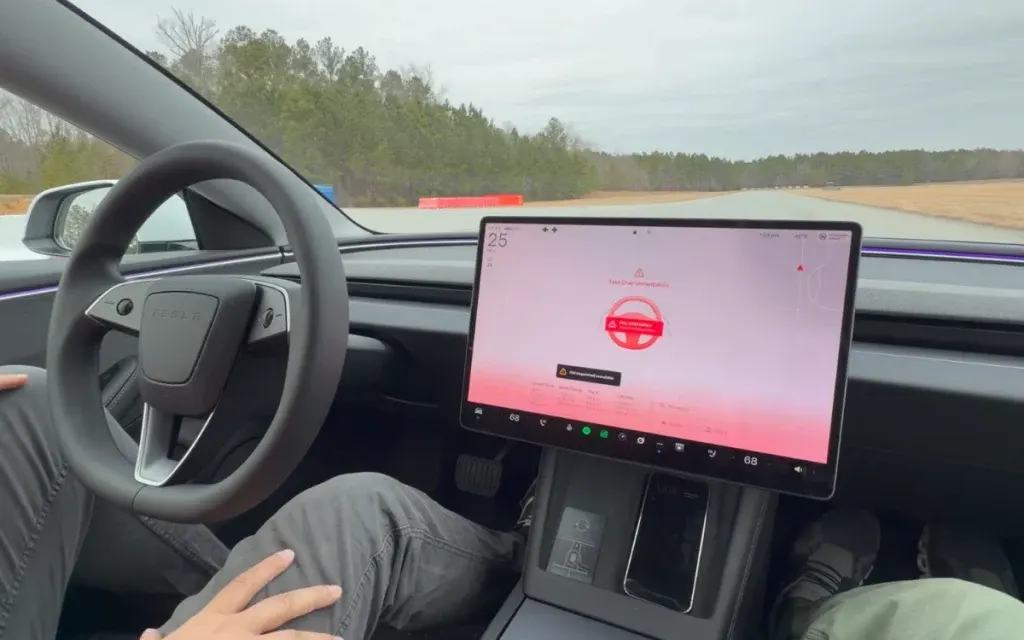
During the test, the car maintained an impressive efficiency of 192.5 watt-hours per mile (about five miles per kWh), proving that Tesla’s powertrain is still a masterclass in squeezing every last drop of energy from a cell. Interestingly, even the Full Self-Driving system remained active during this “ghost” range, only asking the driver to take over right before the car made a graceful, controlled stop with clear on-screen warnings.
While this is incredibly reassuring, it’s important to remember that not every EV is this generous. Buffer sizes vary wildly by manufacturer, and while every modern electric car has some reserve to prevent sudden shutdowns, few will give you a “30-mile card”.
Of course, relying on this hidden reserve is a terrible idea for your battery’s long-term health. Regularly draining your car to zero is a great way to turn an expensive battery into an expensive paperweight.