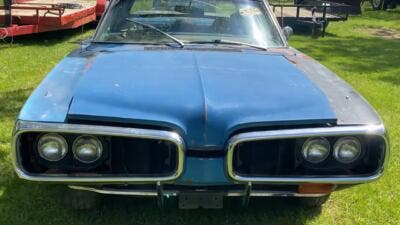
In an era where a modern vehicle will throw a dashboard tantrum and refuse to start if a single moisture sensor gets damp, there is something deeply humiliating for modern engineering in the resurrection of a 1970 Dodge Coronet.
This glorious slab of classic American metal was recently rescued by the YouTube channel Rusted Rides after sitting dormant since 1975. That is a staggering 51 years of complete neglect, yet when hooked up to a fresh battery and fed a few drops of gasoline, the original 318-cubic-inch small-block V8 under the hood actually agreed to fire up.
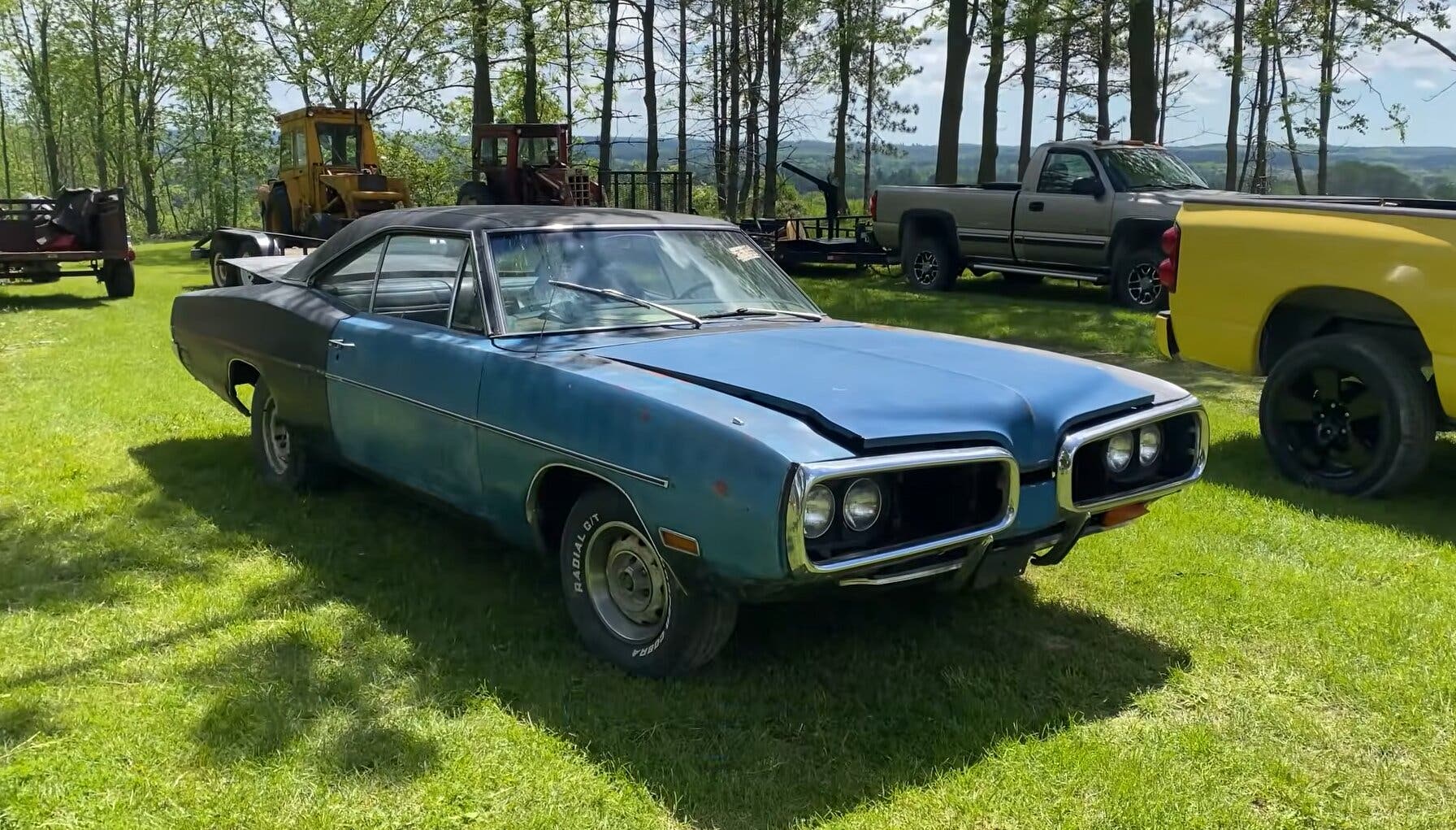
The Dodge Coronet has always lived in the shadow of its flashier siblings. Originally launched as a full-size car in 1949 and discontinued a decade later, Dodge resurrected the nameplate in 1965 as a mid-size intermediate. While it eventually spawned legendary performance icons like the Charger and the Super Bee, the standard Coronet was mostly relegated to bread-and-butter four-door sedan duty for sensible families. Classic car purists only seem to drool over big-block R/T models, smaller-displacement coupes like this 1970 model are routinely ignored and left to rot in weed-choked backyards.
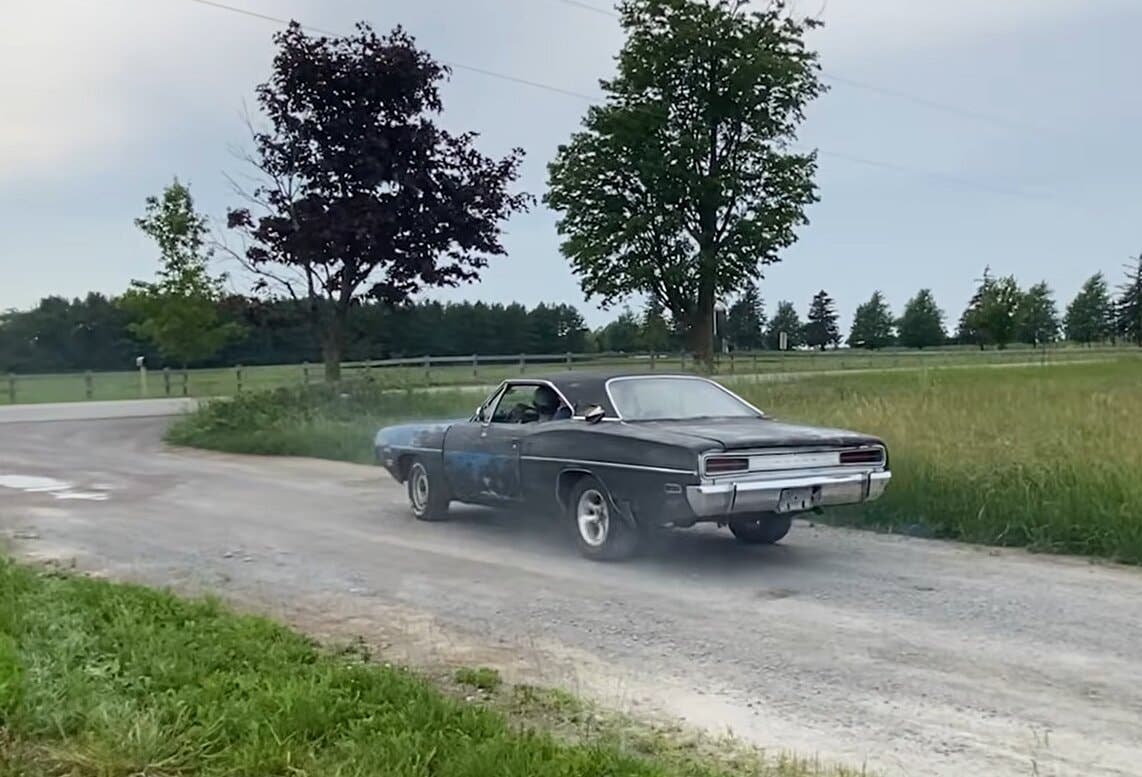
Yet, 1970 was a crucial milestone: it was the absolute final model year Dodge offered a two-door Coronet. By 1971, the sixth-generation redesign restricted the Coronet to boring four-door sedans and station wagons, forcing the Super Bee to migrate to the Charger platform. That makes this survivor surprisingly scarce, not because Dodge did not build many 318 coupes, but because most were mercilessly crushed or picked clean in junkyards decades ago.
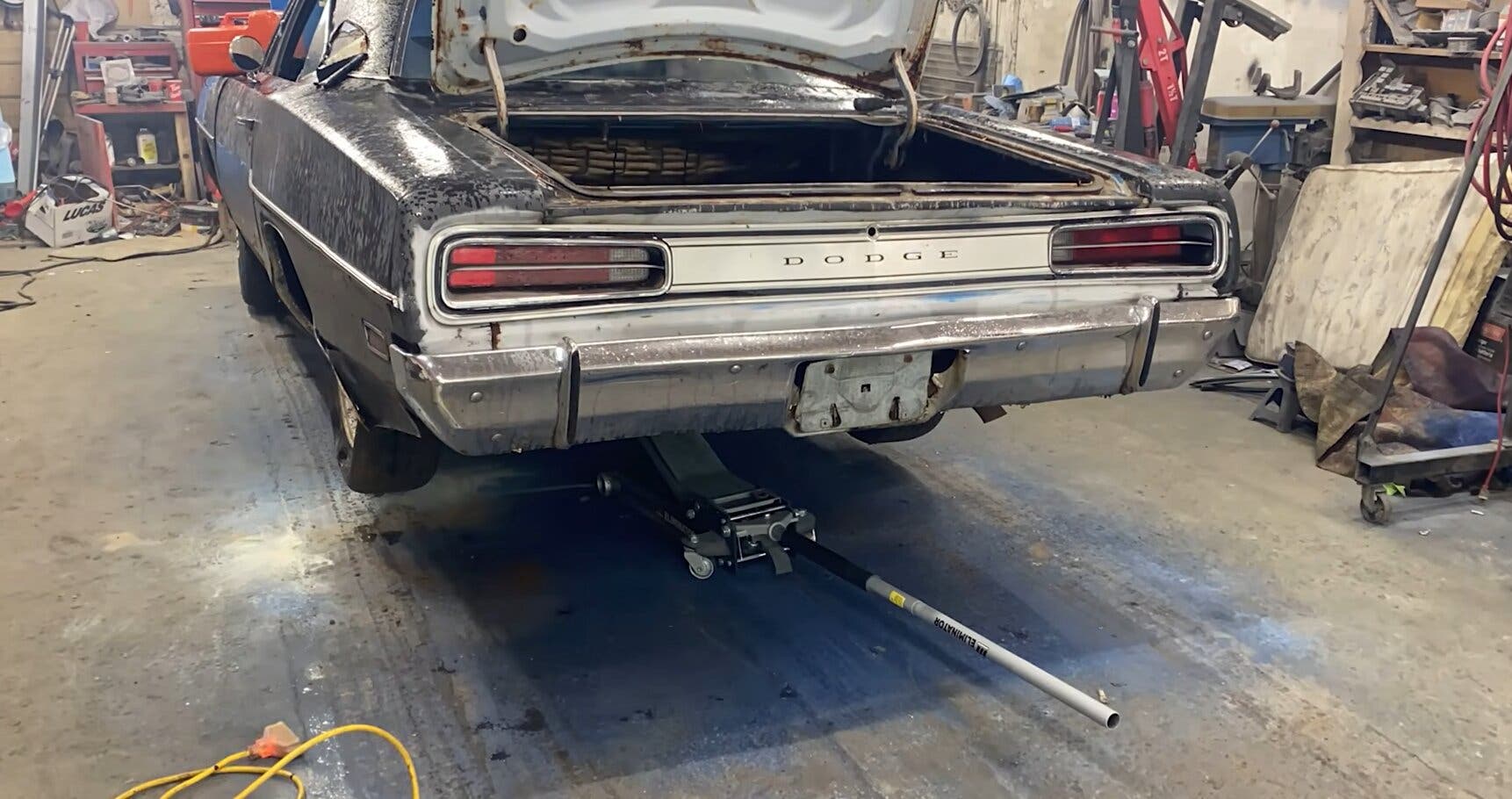
Remarkably, half a century of exposure to the elements failed to destroy this car’s structural integrity. The frame is entirely rust-free, the floors have only minor cosmetic issues, and the body is solid enough to bypass a grueling metal-replacement process. It needs a paint job and a lot of love, but it stands as a testament to a time when Detroit built cars to survive the apocalypse.