

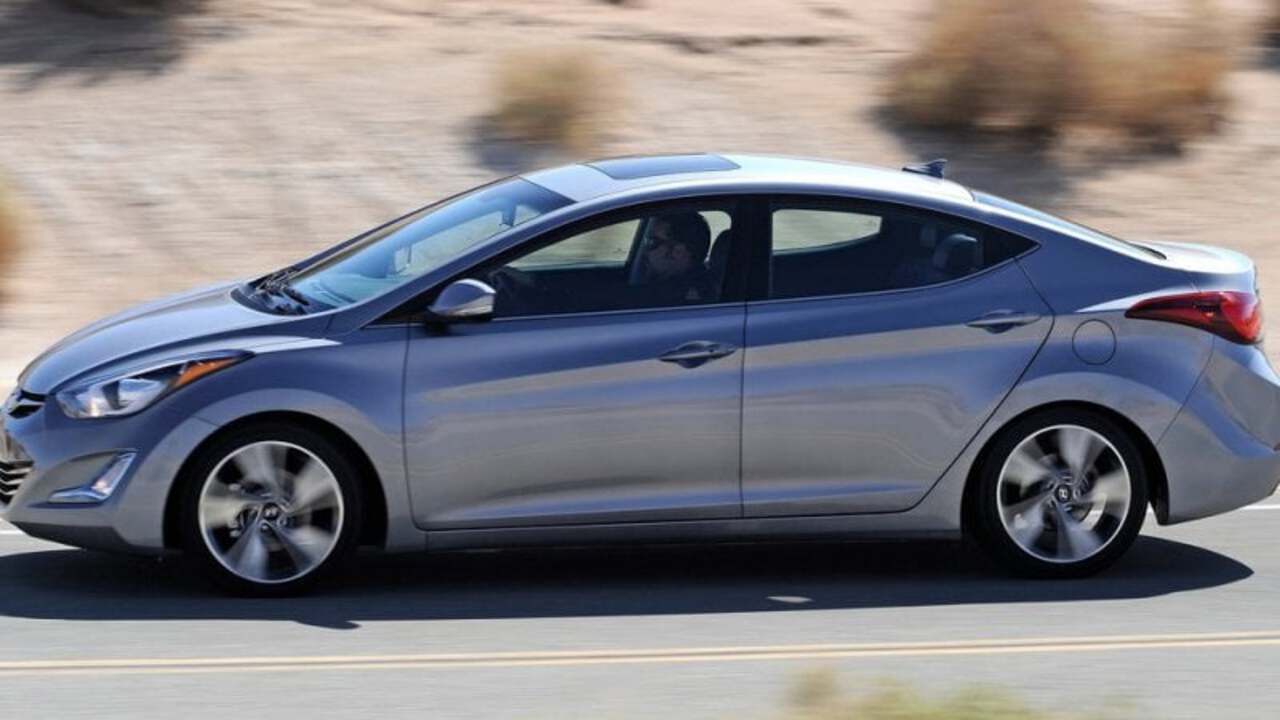
If you happen to own a 2015 or 2016 Hyundai Elantra, you might want to add “impromptu rocket propulsion” to your morning commuter checklist. Hyundai Motor America has just issued a recall because a select few of their older four-door sedans and five-door Elantra GT hatchbacks are driving around with driver-side airbag inflators that could literally explode upon deployment.
ARC Automotive, a Knoxville-based manufacturer, started its journey back in 1949 developing solid rocket propellants for actual missiles. You really cannot make this stuff up: the people who built rocket engines later decided to design automotive safety gear, and now, over a decade later, their hybrid dual-stage inflators are suffering from low propellant density. The gunpowder in your steering wheel is a bit too loose, which can spike internal pressure and turn a routine safety cushion deployment into a dangerous game.
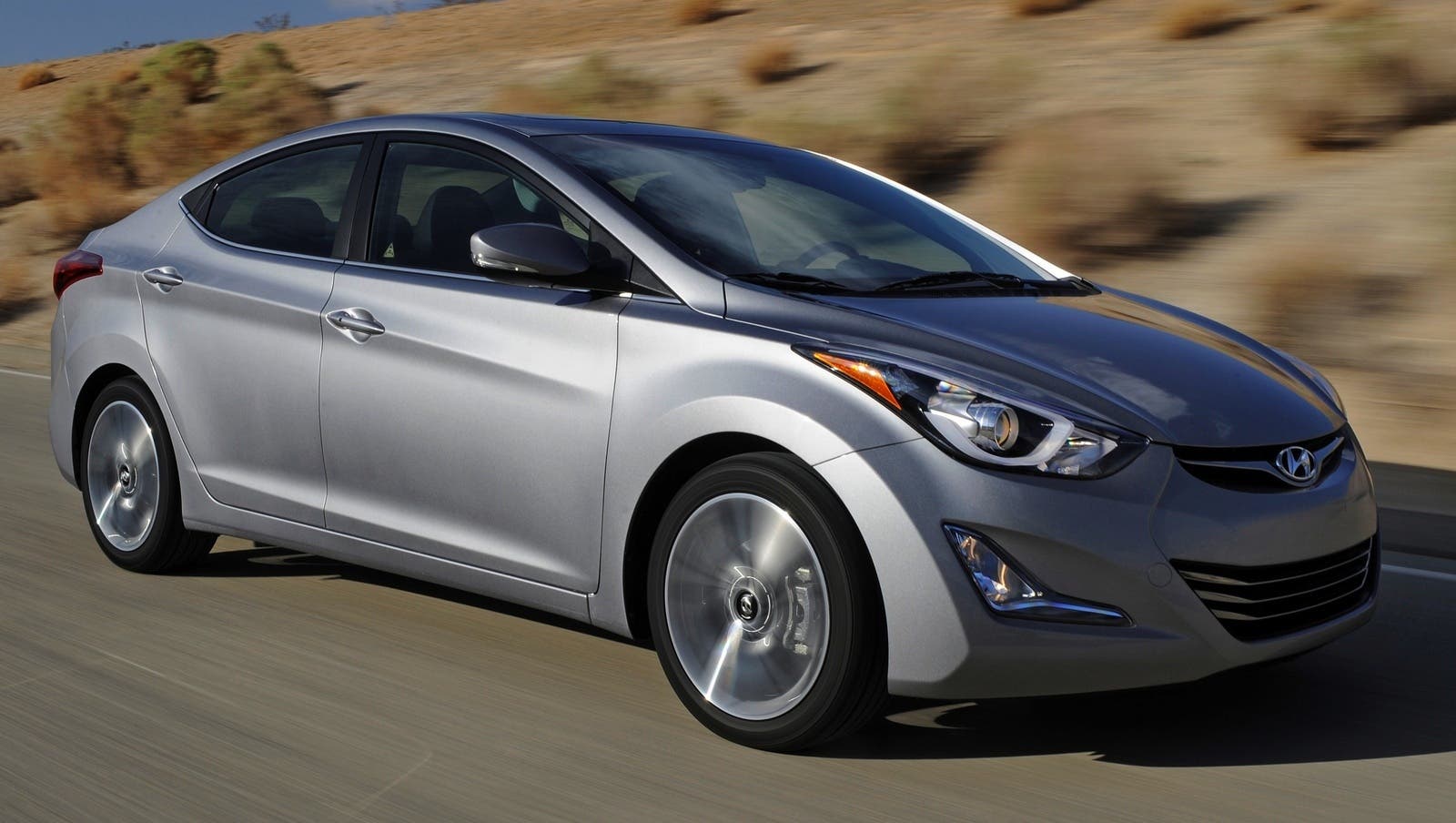
To be fair, Hyundai claims this entire ordeal is being handled out of “an abundance of caution”. Their investigation into part number 3Y569-30010 technically began back in 2023, and so far, the company hasn’t confirmed a single real-world rupture, accident, or injury. Still, it takes a special kind of corporate zen to realize a decade after production that your cars might contain miniature pipe bombs.
If your Elantra or now-defunct Elantra GT was built between March and August of 2015, you might be holding a winning ticket. To check, just look at your VIN: if it starts with an “H”, your car was born in Alabama; if it is a “K”, it traveled all the way from Ulsan, South Korea. Naturally, American consumers abandoned that practical hatchback so that the Kona and Venue crossovers could prosper and colonize suburban supermarket parking lots.
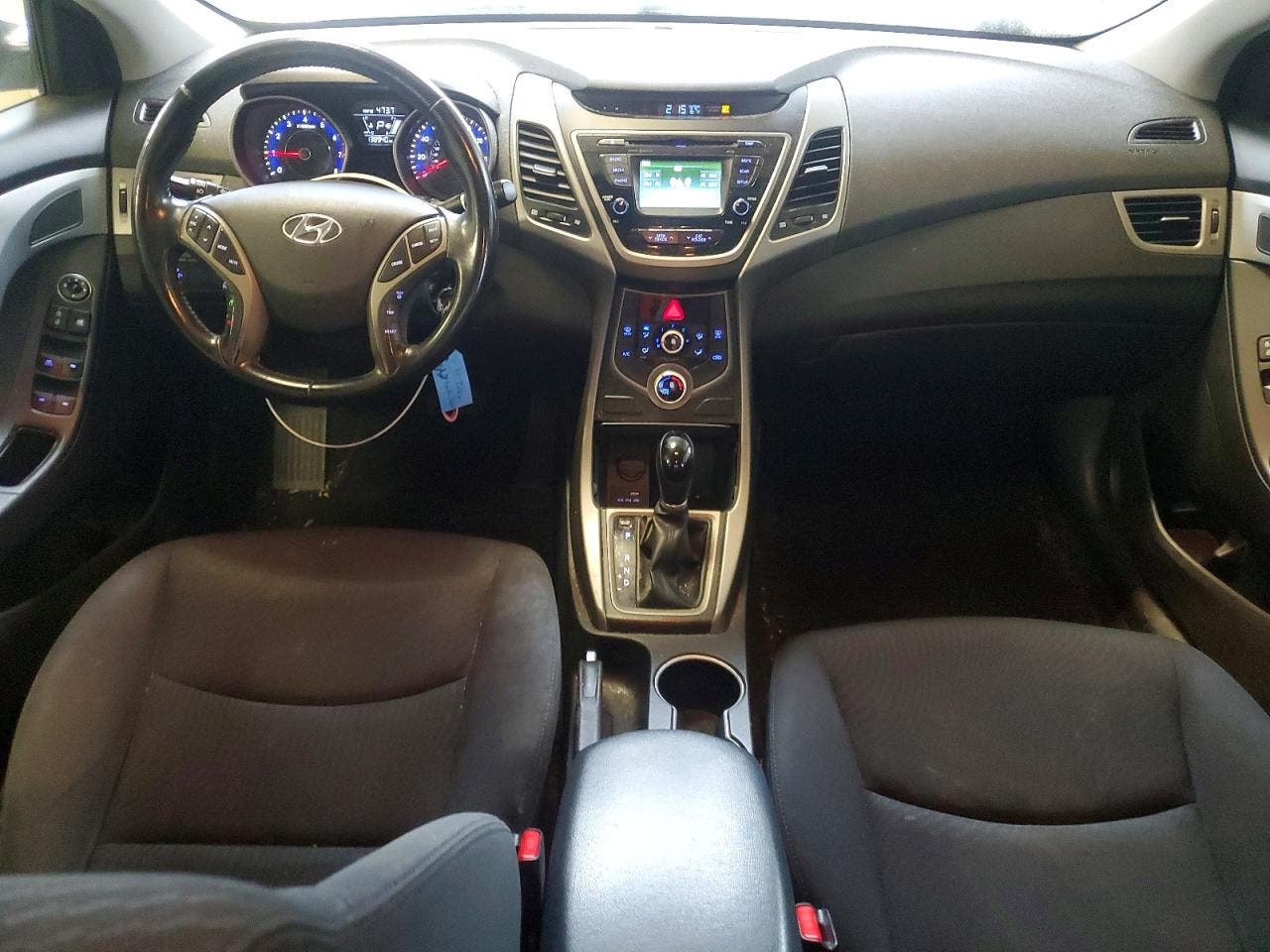
Fast forward to the current 2026 model year, and the Elantra has long shed its explosive teenage phase, surviving solely as a sleek, tech-loaded sedan. Today’s buyers can choose between an eco-conscious Hybrid, a sensible 2.0-liter base model with an Intelligent Variable Transmission, or the aggressive, 201-horsepower N Line featuring a Shiftronic dual-clutch setup. For the true adrenaline junkies who prefer their thrills from a turbocharger rather than an unpredictable steering wheel, there is the full-fat Elantra N, complete with a six-speed manual or a wet dual-clutch transmission.