

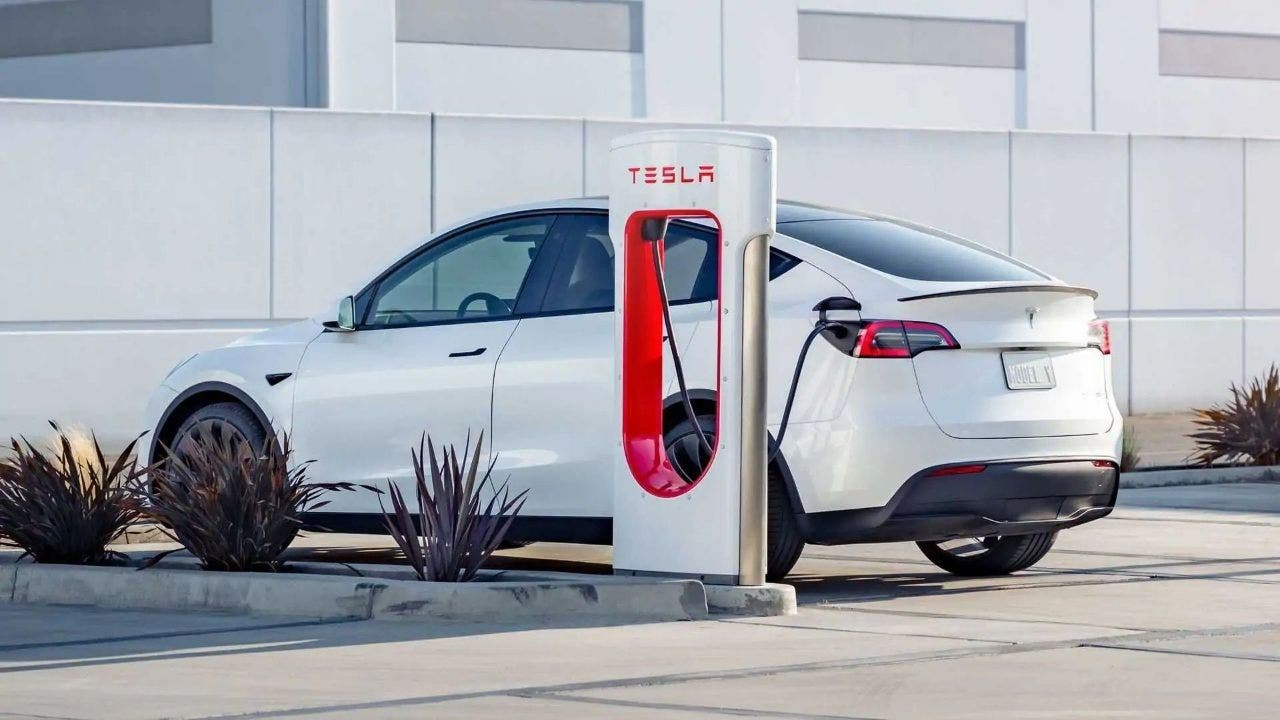
The internet is flooded with EV owners swearing on their touchscreens that their battery packs are immortal, but Germany’s ADAC, the hyper-meticulous European equivalent of AAA, just dropped a massive bucket of cold water on the Tesla fan club. Since the fall of 2022, the organization has been running a Model Y as the tireless workhorse of its fleet, racking up a punishing roughly 87,000 miles of highway-dominated driving.
While the Model Y earned high marks for reliability and maintained a decent efficiency of 21.2 kWh/100 km, the battery pack under the floorboards is starting to show the automotive equivalent of gray hair.
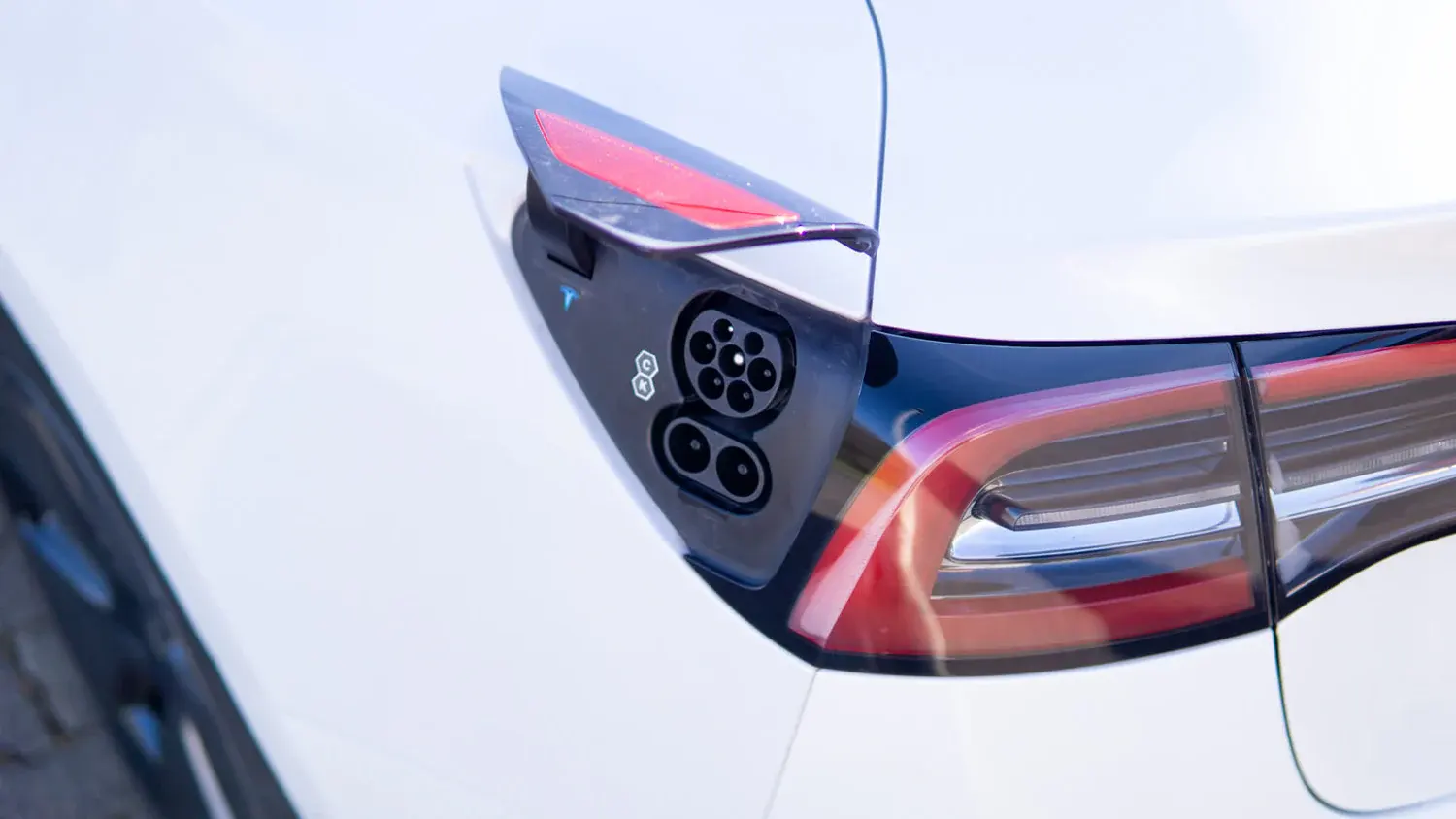
The pure state-of-health numbers are predictable, if slightly depressing. When ADAC first checked the nickel-rich lithium-ion battery’s health at 100,000 kilometers, it sat between a respectable 91% and 92%. Fast forward to the 140,000-kilometer mark, and capacity has plummeted to 86%. Losing 14% of your original usable capacity is pretty standard fare for a heavily fast-charged Model Y.
What makes this painful, however, is a direct comparison to Wolfsburg. ADAC’s other high-mileage guinea pig, a Volkswagen ID.3, has covered an astonishing 136,000 miles and still boasts an 89% state of health.
But the real kicker isn’t just the lost range; it is the newfound patience required at the plug. While Tesla enthusiasts love to brag about Supercharger speeds, ADAC has provided rare, repeatable evidence of a dirty little secret: aging batteries charge significantly slower. The Model Y’s original peak charging power of 257 kilowatts has officially retired. Today, the system refuses to climb much past 200 kW. When new, a 30-minute session pumped 55.7 kilowatt-hours into the pack. Now, that same half-hour gets you only 48.4 kWh, a 13% drop in energy intake.
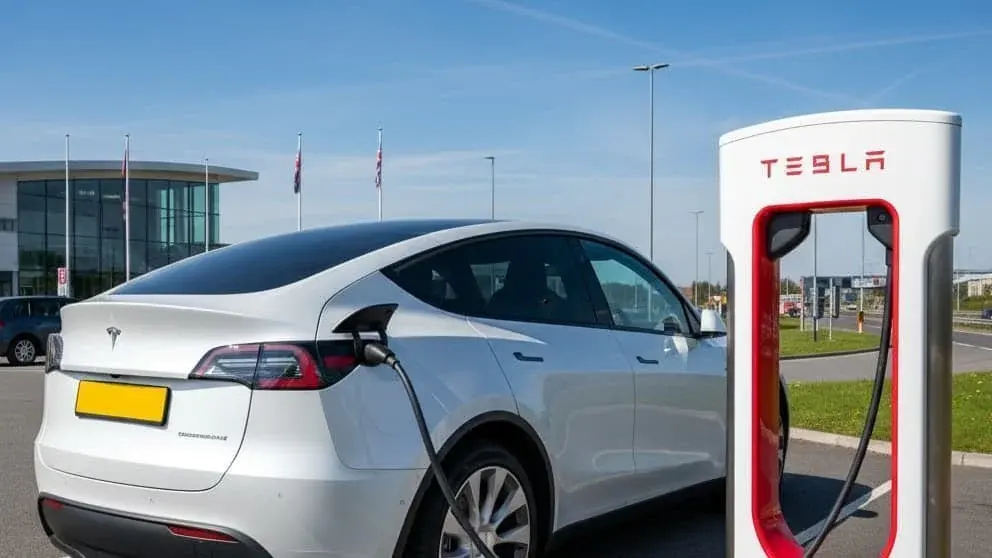
In the real world, this means a half-hour stop now yields just 159 miles of highway range compared to the 183 miles of yesterday. It is the ultimate slow-motion betrayal. Yes, the Model Y remains a dependable daily driver, but as the miles pile up, you’ll have plenty of extra time to contemplate your life choices while staring at the charging screen.