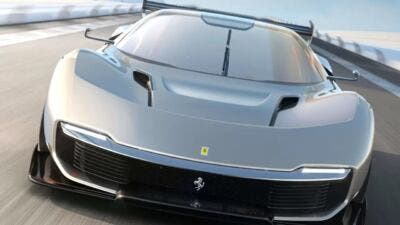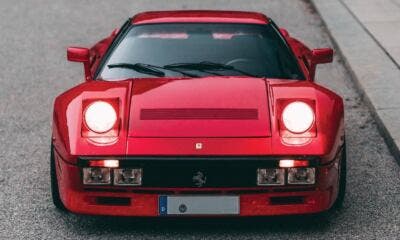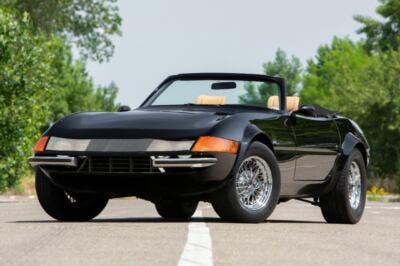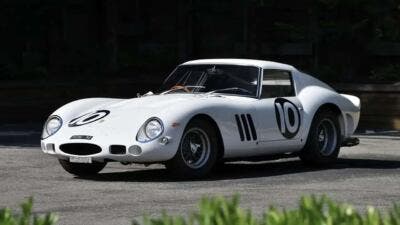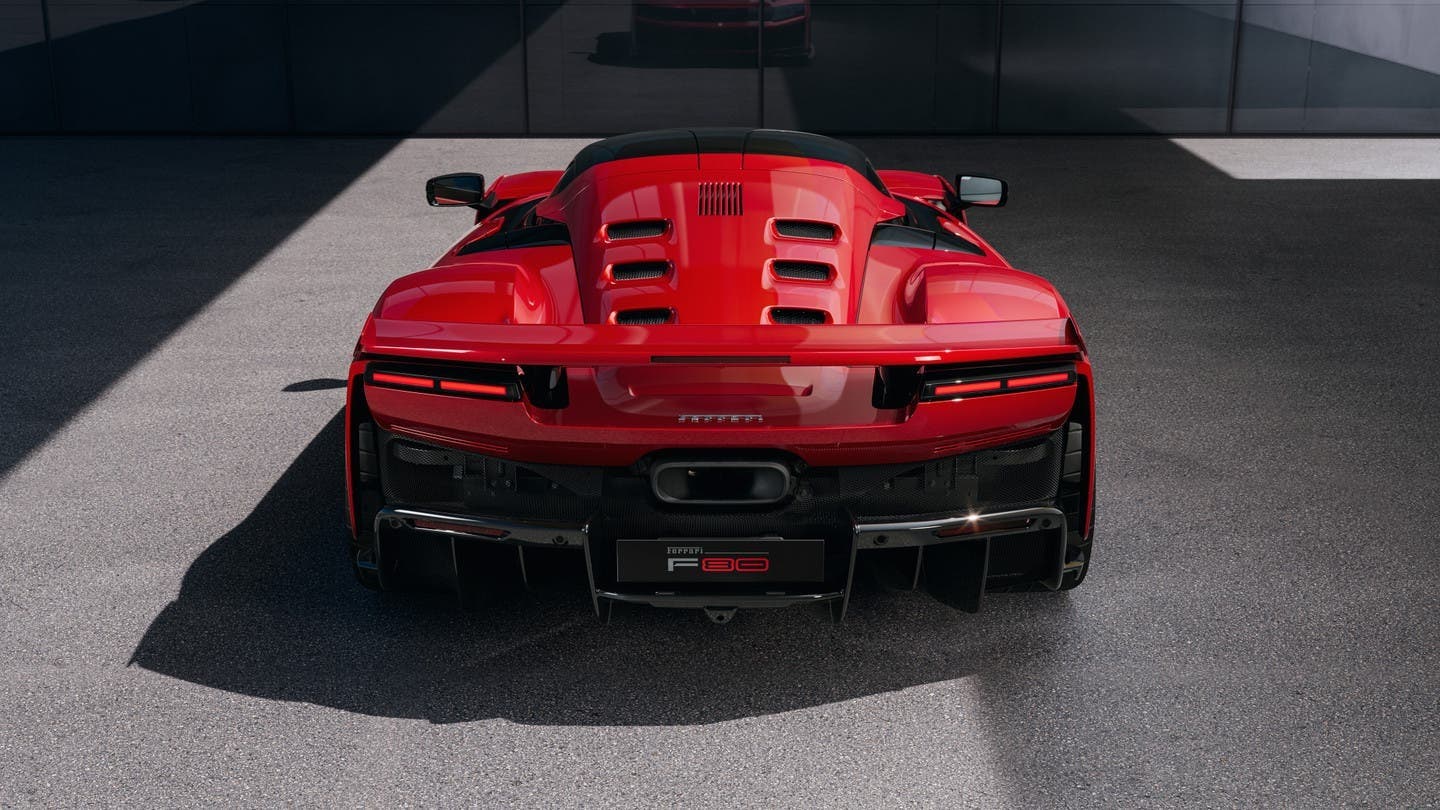
Car performance has grown dramatically in recent years, and sports cars are no exception. Ferrari still stands as the undisputed benchmark in this field, having achieved an extraordinary leap forward in just a few decades. In 1987, the Ferrari F40’s 478 hp looked almost unreal. Today, the new F80 delivers an astonishing 1,200 hp. Back in 1984, the Testarossa’s 390 hp amazed enthusiasts, while the 2025 Ferrari 849 Testarossa now claims 1,050 hp. This surge in output comes mainly from technological progress, the integration of electric motors, and, in two cases out of three, the adoption of turbocharging.
Ferrari F80
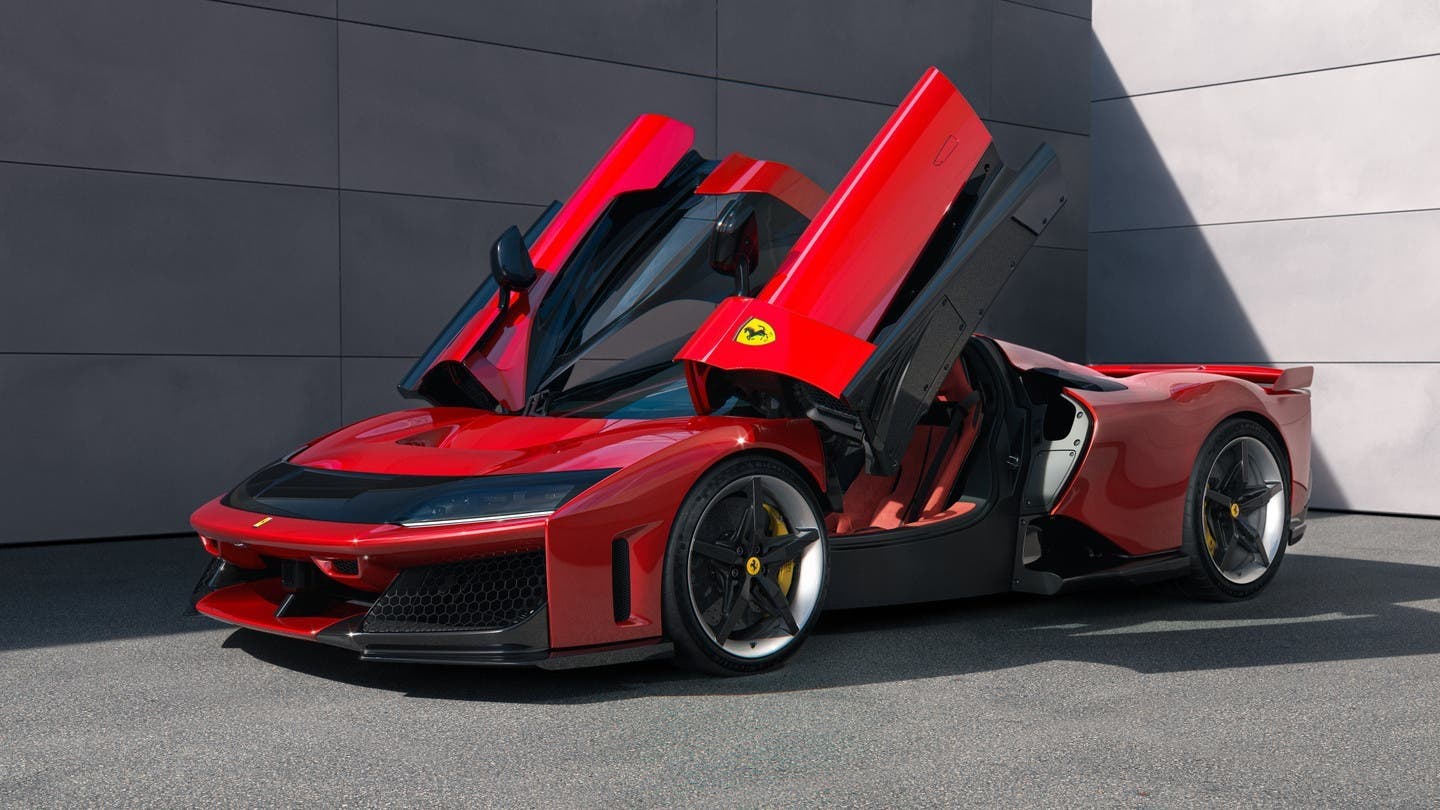
The Ferrari F80 holds the crown as the most powerful and fastest road-going Ferrari ever built. As the latest heir to the limited-production lineage that began with the 1984 GTO, this supercar now serves as Ferrari’s new flagship. Compared with the F40, F50, Enzo, and LaFerrari, it raises the bar even higher despite using a smaller engine configuration.
At its core sits a 3.0-liter twin-turbo V6 paired with an electric system, delivering a combined output of 1,200 hp, with 900 hp coming from the internal-combustion engine alone. The F80 rockets from 0 to 100 km/h (0–62 mph) in just 2.1 seconds and reaches 200 km/h (124 mph) in only 5.75 seconds. Top speed exceeds 350 km/h (over 217 mph).
At Fiorano, it records a lap time of 1:15.30, faster than the FXX and 4.4 seconds quicker than the LaFerrari. A curb weight of just 1,525 kg (3,362 lb) and downforce of 1,050 kg at 250 km/h (about 2,315 lb at 155 mph) complete an exceptional technical package.
Ferrari SF90 XX Stradale
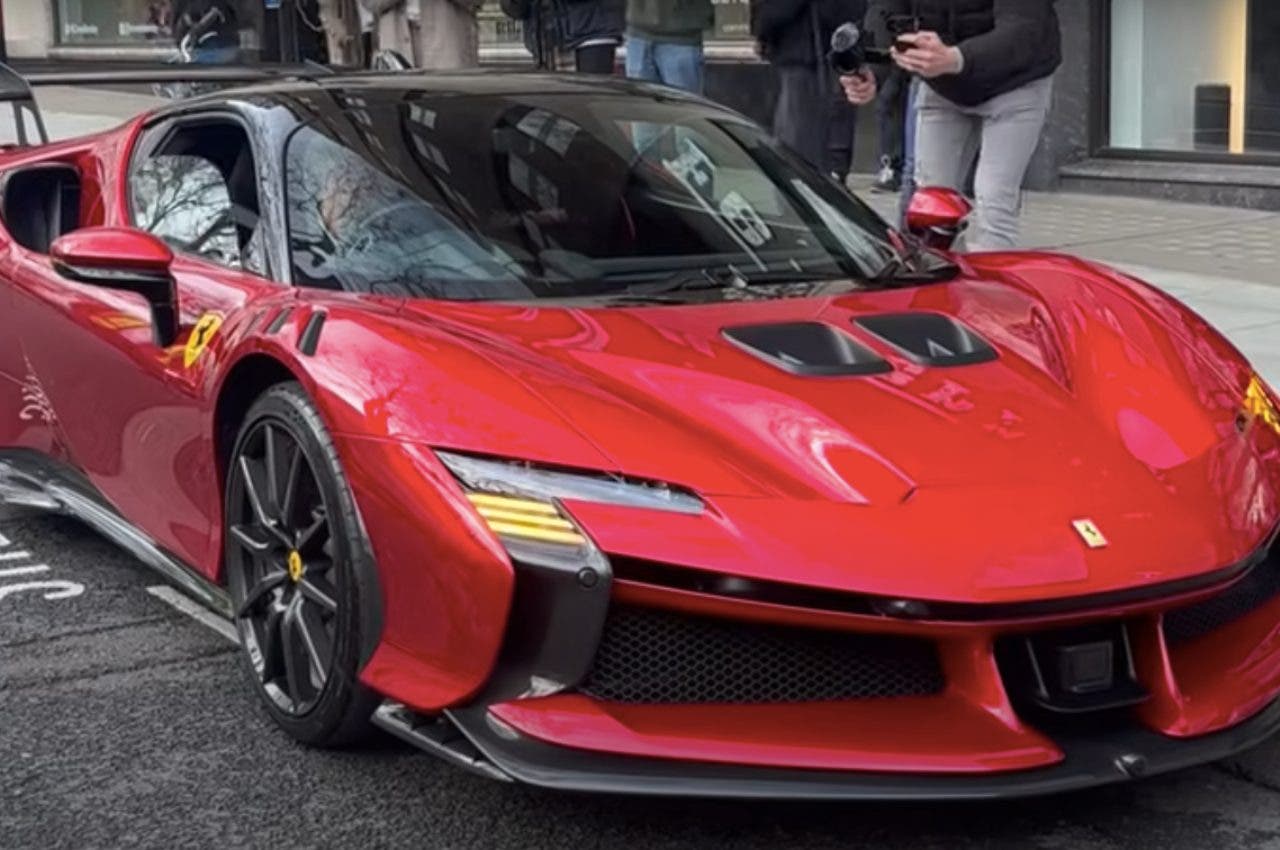
Second place goes to the Ferrari SF90 XX Stradale, which laps Fiorano in 1:17.31, just over two seconds behind the F80. This model bridges the gap between Ferrari’s XX track cars and its road-legal supercars. Limited to 799 units, it also impresses visually, with every functional aerodynamic element seamlessly integrated into the overall design.
Its 4.0-liter twin-turbo V8 works together with three electric motors to produce a total system output of 1,030 hp. The sprint from 0 to 100 km/h (0–62 mph) takes 2.3 seconds, while 0 to 200 km/h (124 mph) requires just 6.5 seconds. Although the SF90 XX Stradale targets track performance, it remains perfectly usable on public roads.
Ferrari 849 Testarossa
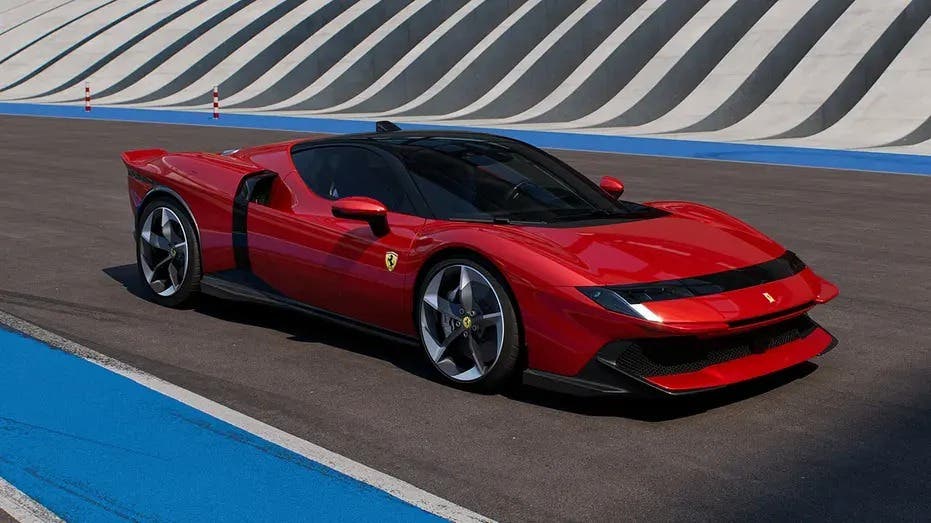
The Ferrari 849 Testarossa completes the podium with a Fiorano lap time of 1:17.50, almost identical to the SF90 XX Stradale despite a less extreme overall concept. Designed to replace the SF90 Stradale, it is not a limited-production model, although its high price still limits accessibility.
Its 4.0-liter twin-turbo V8, combined with an electric system, delivers a total of 1,050 hp. Acceleration from 0 to 100 km/h (0–62 mph) takes under 2.3 seconds, while 0 to 200 km/h (124 mph) comes in at 6.35 seconds. Top speed exceeds 330 km/h (205 mph).
Dynamic efficiency stands out as one of its greatest strengths, with 415 kg of downforce at 250 km/h (about 915 lb at 155 mph) and the best power-to-weight ratio among Ferrari’s current production models.