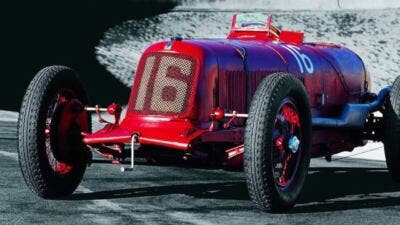
Long before Maserati became synonymous with valved exhausts waking up quiet suburban neighborhoods, it was just a passionate crew attempting to make a Diatto 30 Sport chassis go dangerously fast. Enter the Maserati Tipo 26, the legendary machine that put the iconic Trident emblem on the automotive map exactly a century ago. Packing a 1.5-liter inline-eight engine under its long hood, this 1926 pioneer was born with enough dynamic vigor to terrify early 20th-century spectators.
Its baptism by fire took place on April 25, 1926, at Sicily’s grueling Targa Florio across the treacherous Madonie roads. Behind the wheel sat creator Alfieri Maserati himself, who managed an impressive ninth place overall and secured a historic first-in-class victory. Not bad for a debut, considering survival was often the primary objective.
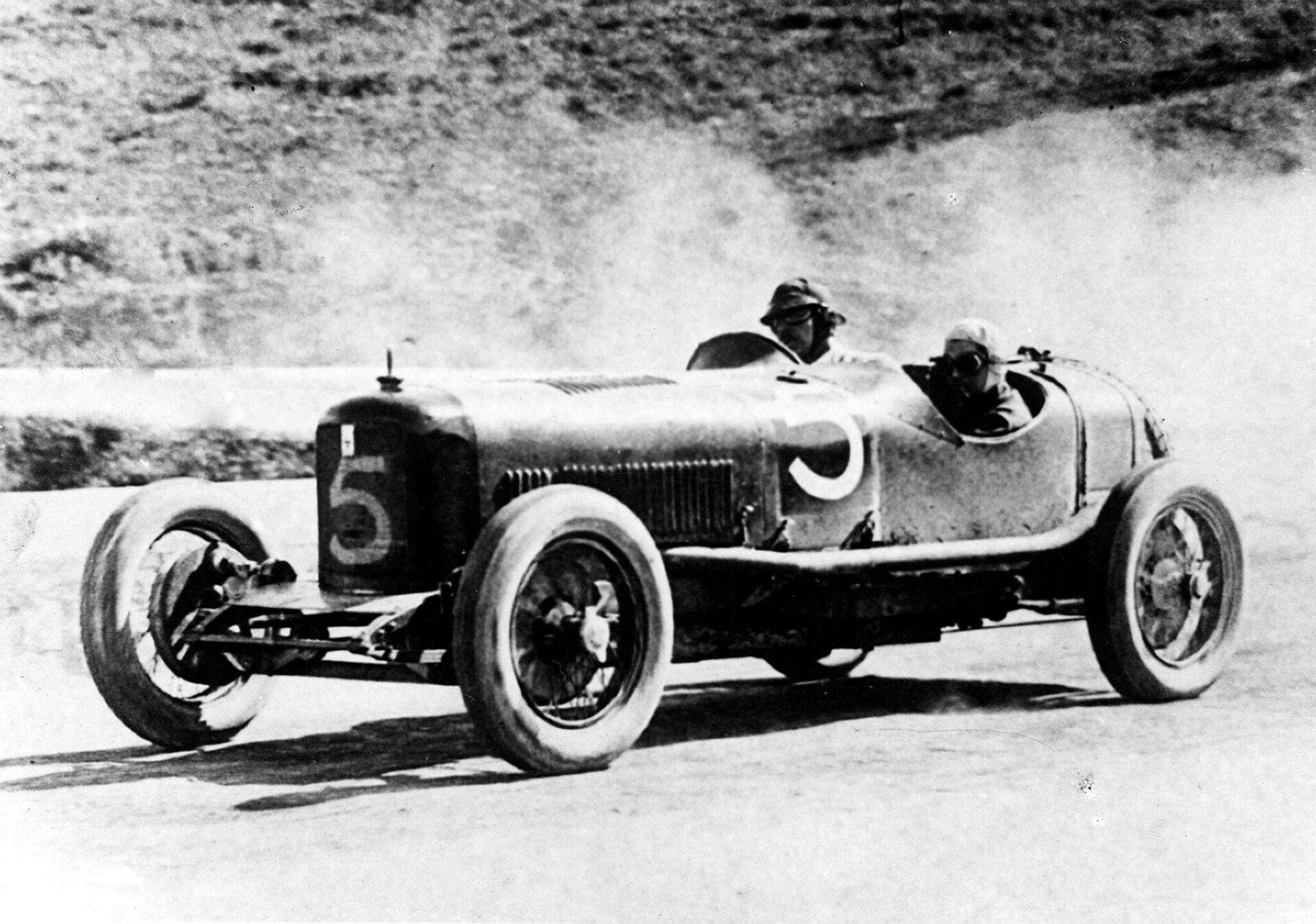
Naturally, the Italian way dictated that production remained absurdly exclusive, only three units rolled out during its initial year, and over a six-year run through 1932, a total of roughly 10 or 11 cars were ever built. Historians still debate the exact figure.
As racing regulations evolved, so did the machine. By 1927, the Tipo 26B arrived boasting a enlarged 2.0-liter heart, alongside a short-bore C version. However, the real spectacle arrived in 1928 with the Tipo 26 MM, a bespoke variant forged to conquer the legendary Mille Miglia.
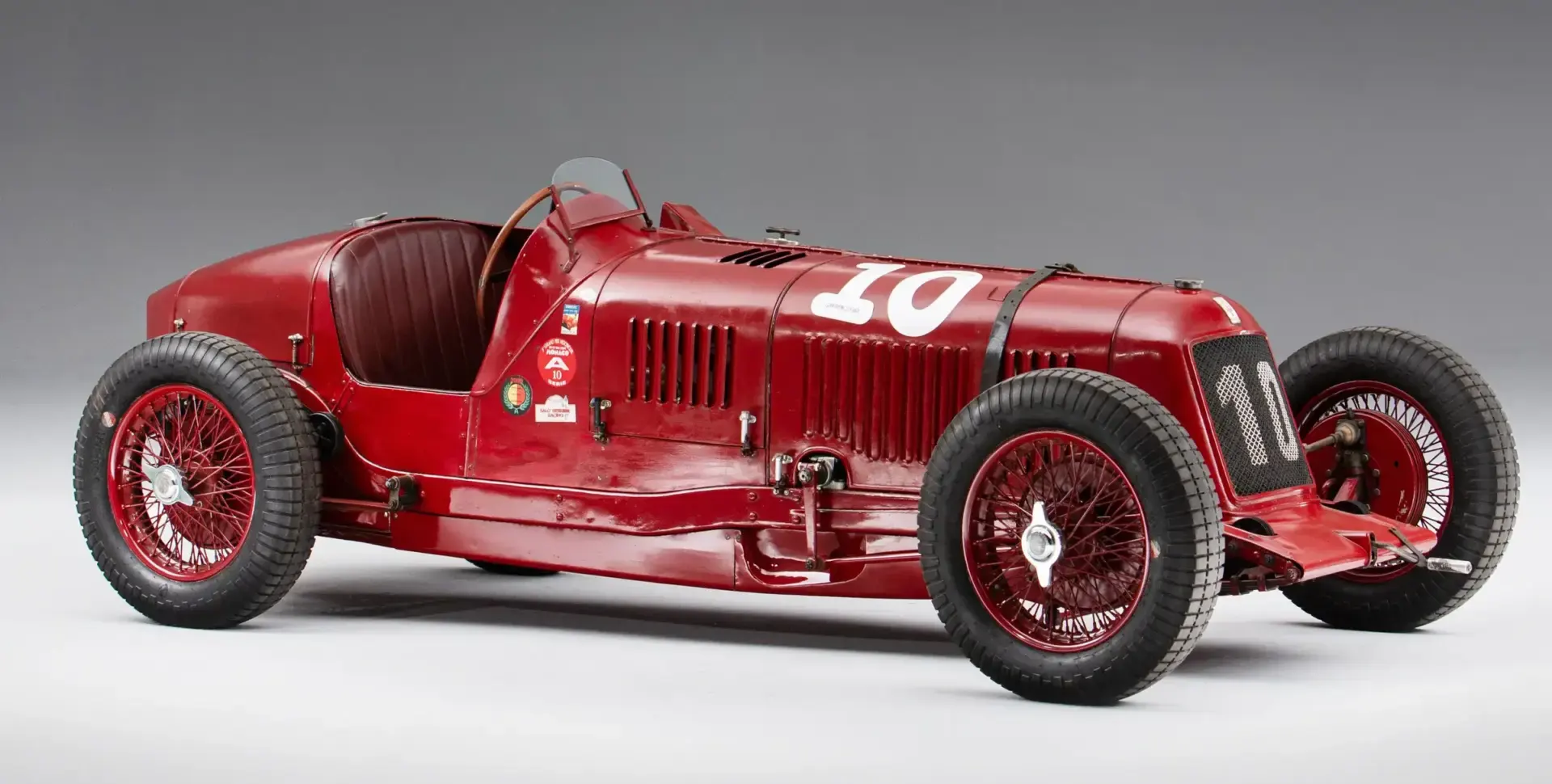
Engineers slapped on motorcycle-style fenders to shield the exposed tires, mounted two spare wheels onto the tail, and chopped the wheelbase down to 2,580 millimeters for sharper handling. Pushing 125 HP thanks to a Roots supercharger, this lightweight missile could hit nearly 124 mph. Imagine hurtling down unpaved public roads at those speeds while relying on modest mechanical drum brakes that were practically praying for a miracle.
Although the Mille Miglia yielded a modest 23rd-place finish, simply crossing the finish line after such a brutal endurance test was a monumental proof of reliability. Crucially, the Tipo 26 gave birth to Maserati’s iconic symbol. Designed by Mario Maserati, the logo drew inspiration from the Fountain of Neptune in Bologna, where the company was founded in 1914. That sharp Trident became an eternal signature of power, reminding us that Maserati’s soul was forged in dirt, iron, and pure racing passion.