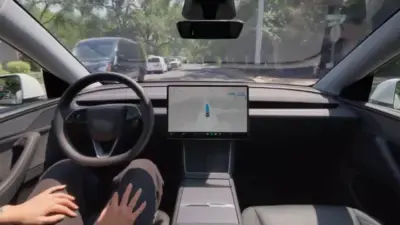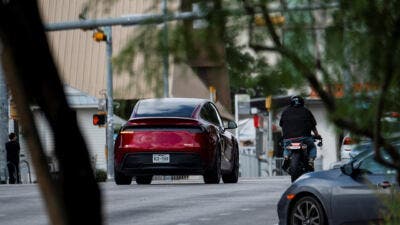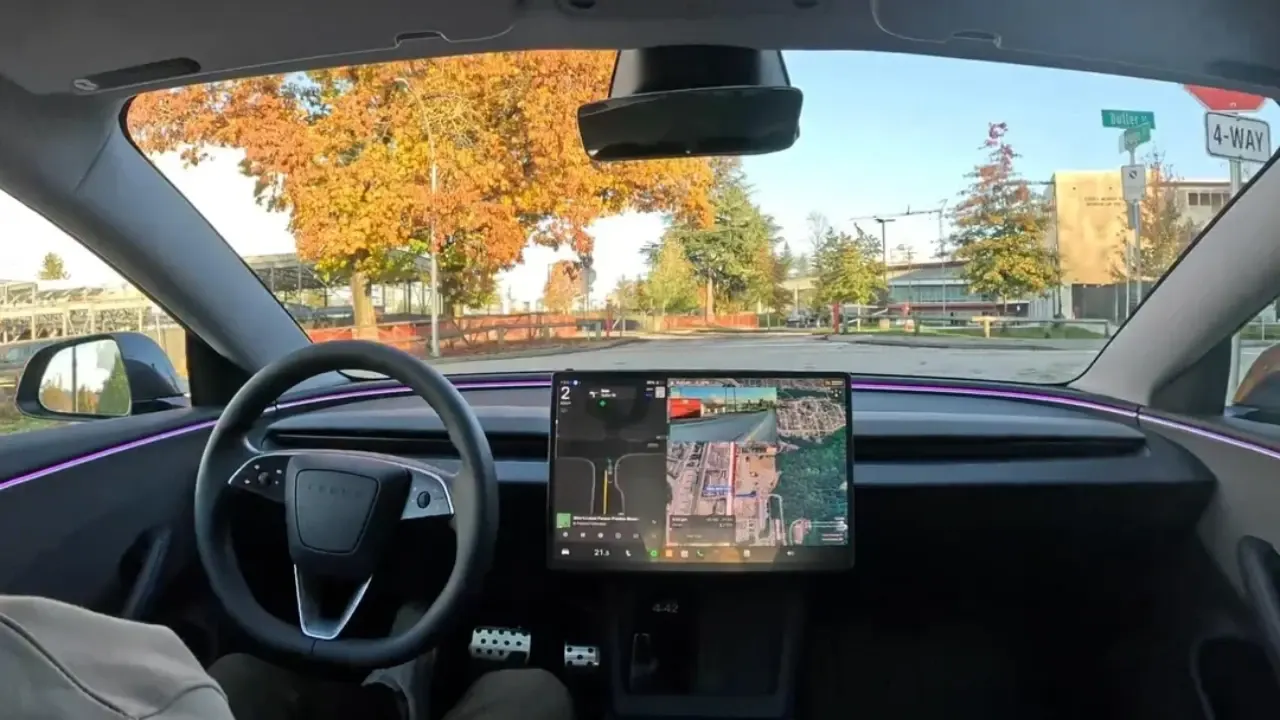
Full Self-Driving technology has traversed a long and winding road. A recent Tesla patent reveals that the company is still battling the most basic of enemies: the sun. While human drivers have the high-tech luxury of wearing polarized Aviators or flipping down a plastic sun visor, Tesla’s cameras haven’t had that option. Until now.
The company is doubling down on its controversial “vision-only” strategy with a hardware fix designed to stop its cars from being blinded by the light. The proposed solution is an “anti-glare shield” featuring a microscopic textured surface made of tiny, cone-shaped structures.
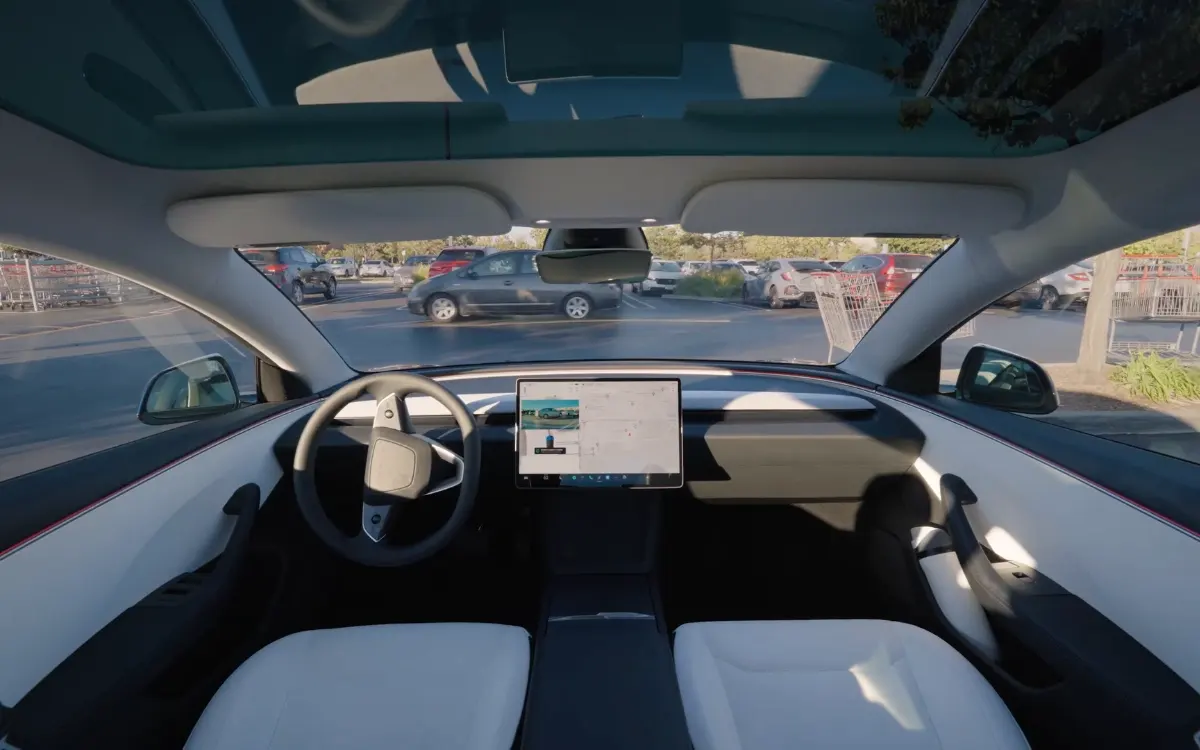
These micro-cones are designed to scatter incoming light in multiple directions, effectively killing annoying reflections before they ever hit the camera sensor. Think of it as fitting your car with permanent, microscopic sunglasses. But because Tesla rarely does anything simply, this shield isn’t static. The patent describes an electromechanical system that can actually tilt and orient these micro-cones based on the sun’s angle. Whether you’re driving directly into a low-hanging sunset or enduring the harsh glare of high noon, the car can actively react to keep its vision clear.
The scientific goal here is to reduce “Total Hemispherical Reflectance”. Which is a fancy way of saying Tesla wants to make sure its cameras aren’t just seeing white blobs when they should be seeing pedestrians. This hardware push is a necessity because of Tesla’s unique design choices.
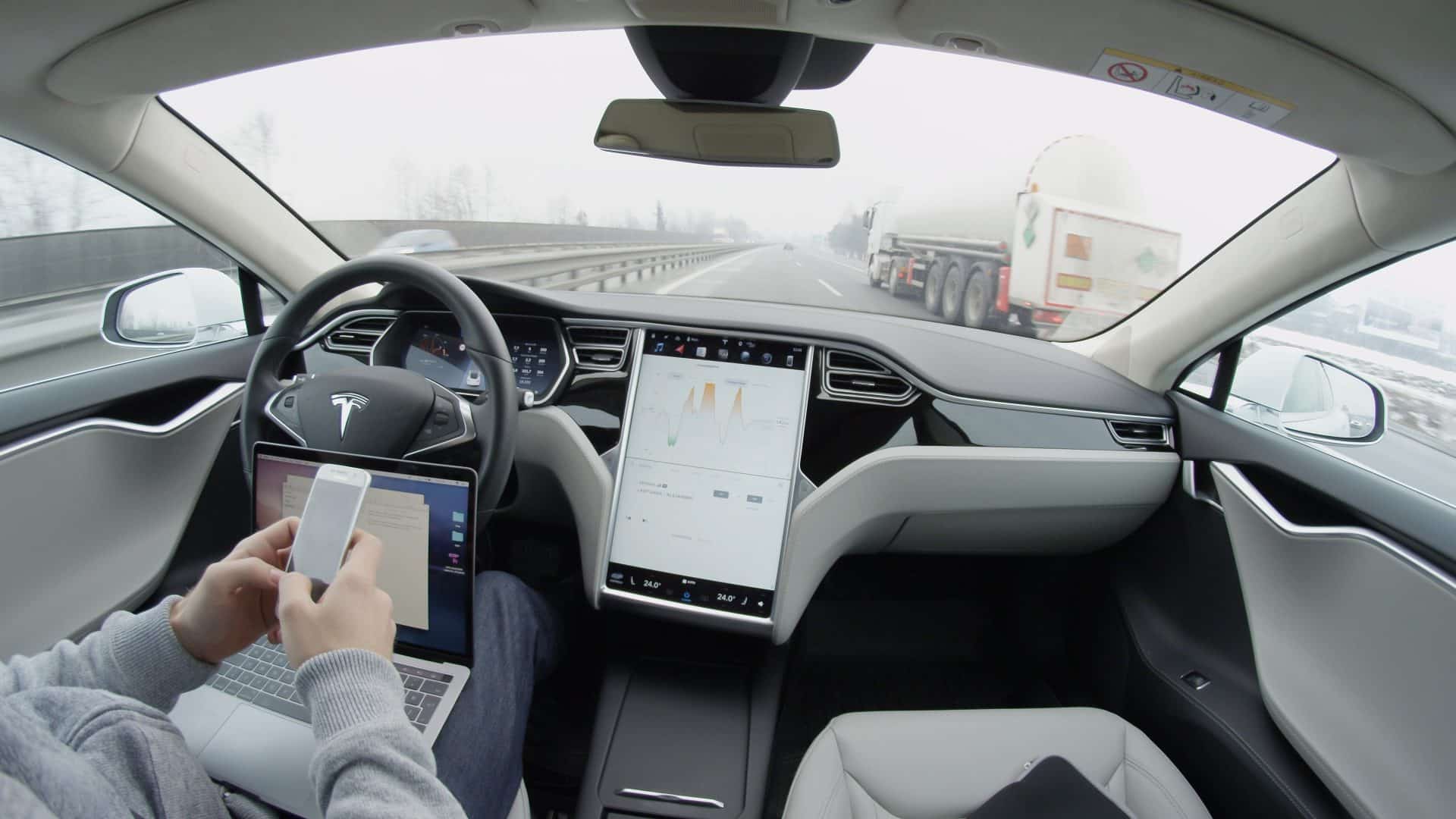
Rivals like Waymo lean heavily on Lidar and radar. Lidar uses lasers to map the world in 3D and couldn’t care less about sun glare, while radar works perfectly even in total darkness.
By refusing to use those extra sensors, Tesla has made camera limitations, a critical, potentially deal-breaking problem to solve. This latest hardware innovation proves that Elon Musk has no intention of pivoting toward Lidar. Instead, Tesla is betting that a futuristic shield of tiny cones will be enough to make its vision-based autonomous systems reliable enough for the real world.