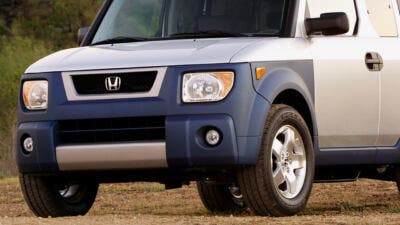
After more than a decade of weeping and gnashing of teeth from a cult-like following of outdoor hipsters, Honda is officially bringing back the beloved Element. Slated to hit dealerships by 2029, this resurrected box won’t just be a quirky utility vehicle. It’s being heavily reimagined as a hybrid compact crossover aimed squarely at the throat of the wildly popular Ford Bronco Sport.
According to industry whispers, Honda is gearing up to assemble this next-generation experiment in Central Ohio, aiming for a staggeringly ambitious 100,000 units in its first full year of production. By manufacturing the SUV right in the United States, Honda is throwing a massive bone to American buyers who have spent years begging for an affordable, adventure-ready companion for their supposedly hyper-active outdoor lifestyles.
It’s a lucrative demographic that Honda desperately wants to capture, placing the new Element strategically in the thin corporate sliver between the entry-level HR-V and the ubiquitously safe, soccer-mom favorite CR-V. This calculated positioning hints at a starting price dancing right around the $30,000 mark.
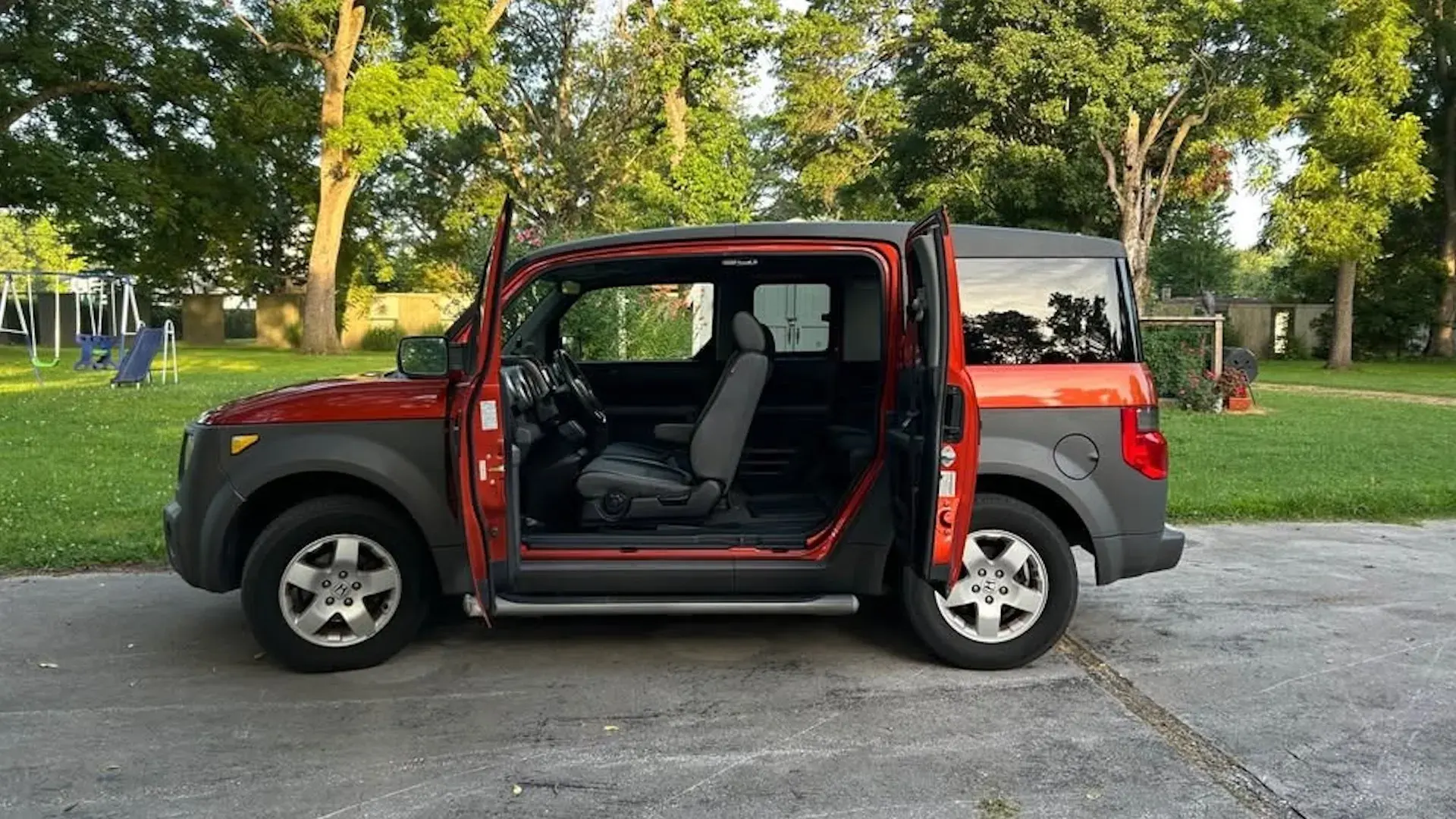
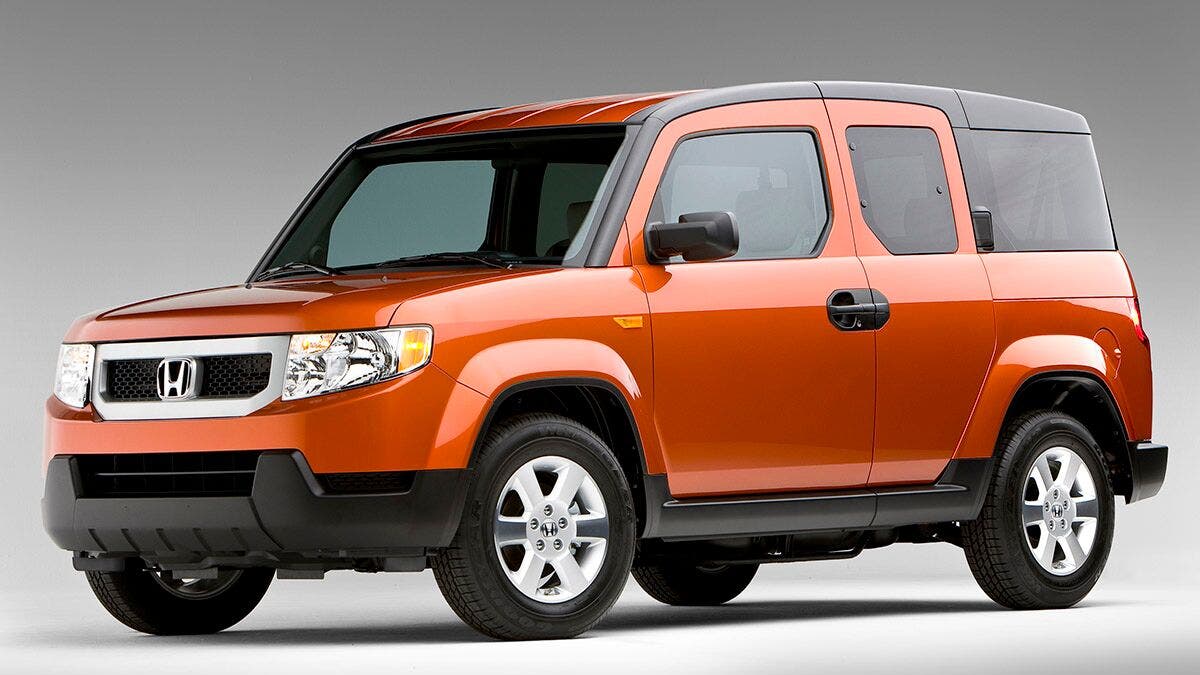
Of course, the original Element, which enjoyed a highly polarizing run from 2003 to 2011, was famous for its hose-out rubber floors and a geometric profile that defiantly ignored all known laws of aerodynamics. While it remains a mystery whether those pillarless, rear-hinged doors will survive modern, brutal crash-test regulations, Honda is doubling down on the vehicle’s legacy of utilitarian toughness.
The 2029 iteration will completely ditch pure internal combustion for an exclusively hybrid powertrain. This strategic shift elegantly solves the original model’s biggest embarrassment: a terrible fuel economy that closely resembled a brick flying through a hurricane. The hybrid setup promises instant torque for muddy trails and maximum efficiency for the highway.
Relaunching the Element is an undeniable stroke of marketing genius. America’s automotive landscape has mutated entirely into a playground for lifestyle-oriented vehicles with mild off-road delusions. While the Japanese brand already slaps “TrailSport” badges on its larger, softer SUVs to pretend they can climb mountains, a purpose-built, aggressively boxy crossover gives them a lethal weapon in a highly profitable segment.