

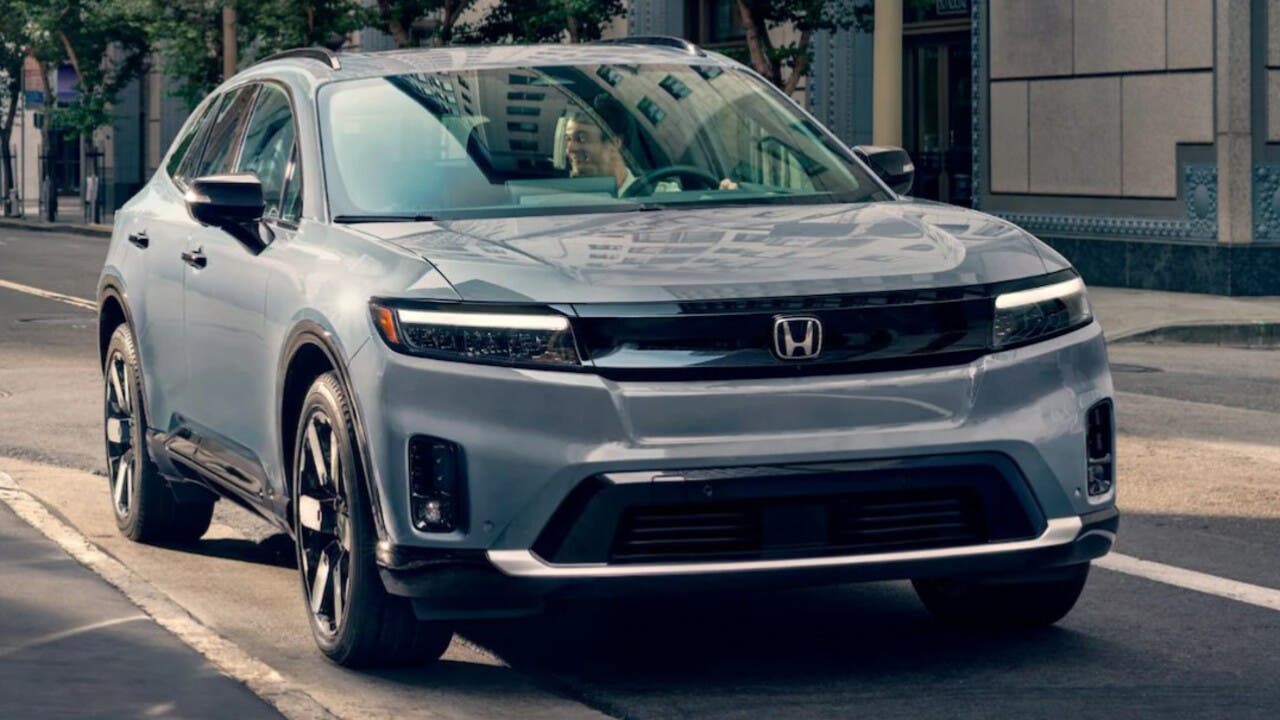
Honda built its American reputation selling the country’s most popular hybrid, the CR-V, and briefly managed to position the Prologue as one of the top non-Tesla EVs in North America. But every Prologue sold was essentially a small betrayal of everything Honda supposedly stands for.
The company just announced another automotive sector loss, split almost evenly between EV costs and tariffs. Over three quarters, electrification bled the automaker for $1.7 billion—not quite Ford-level catastrophic, but hardly something to celebrate in Akron board meetings. The Prologue, that curious experiment of slapping Honda badges on GM’s Ultium platform, turned out to be less revolutionary partnership and more expensive identity crisis.
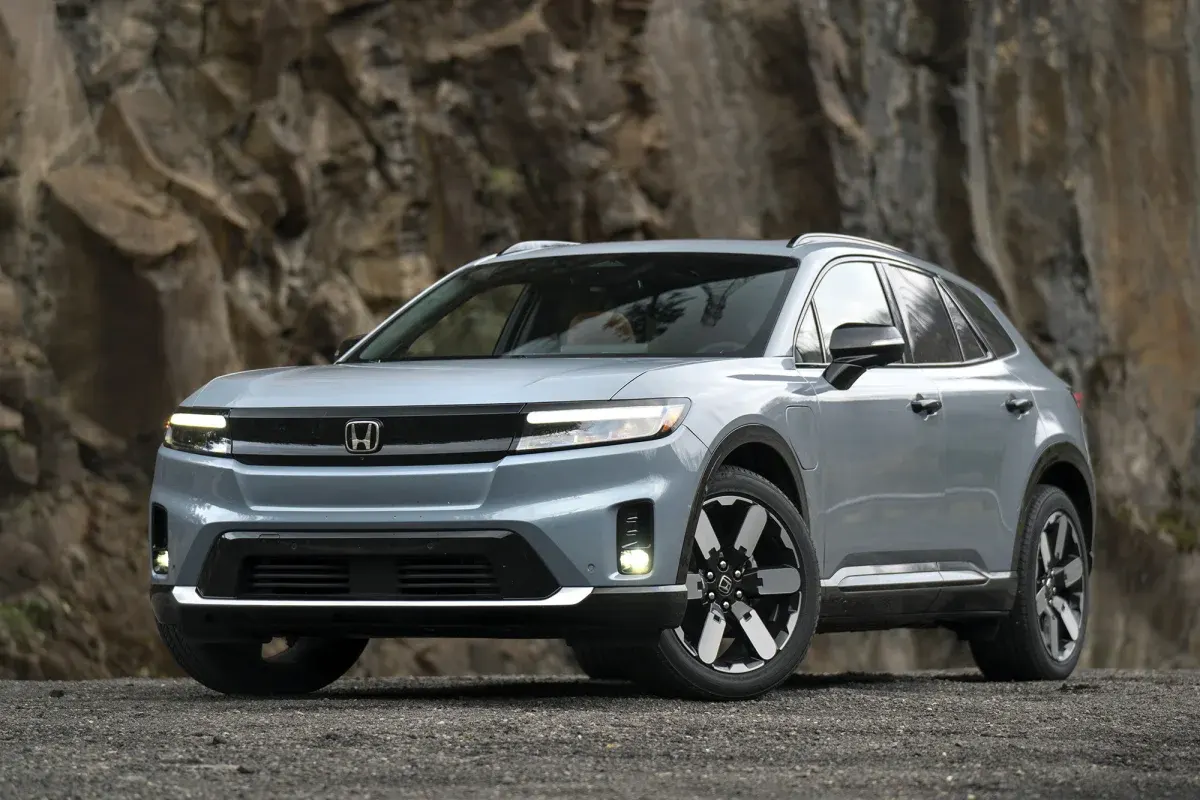
For a moment, it actually worked. The Prologue outsold its cousin, the Blazer EV, proving there were buyers willing to pay for a Honda-branded electric vehicle at a reasonable price. Or rather, there were leasers, because the lease deals were spectacular. Some buyers were illogical enough to prefer a Honda over a Chevy despite them being fundamentally the same vehicle. Others were logical enough to jump on a great lease offer wearing a Honda badge.
The Prologue wasn’t good enough to be a Honda. It was good, sure, but Hondas are supposed to be more than good. Forum posts and owner conversations reveal a pattern of disappointment. The company now faces an uncomfortable position: unable to sell another vehicle to Prologue owners if they liked it, or losing them to competitors if they hated it.
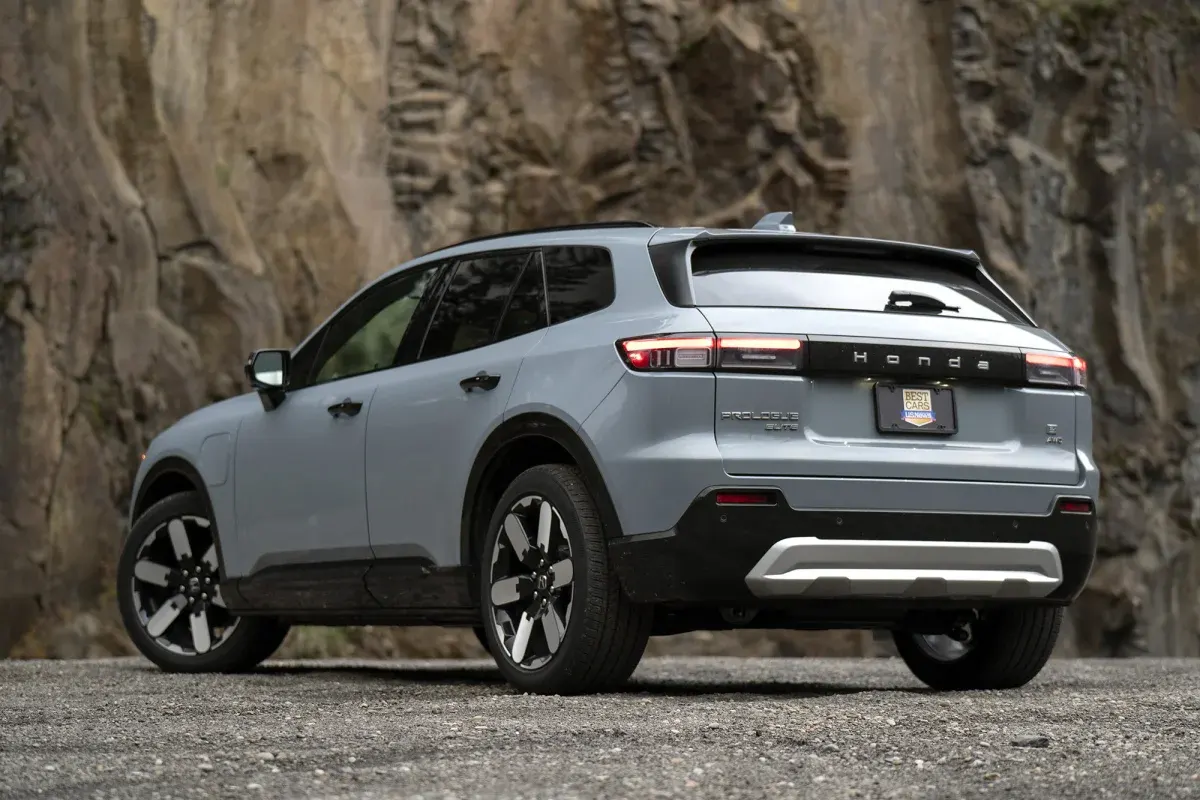
When sales collapsed, Honda cut its GM orders and now owes compensation to General Motors for breaking their arrangement. The company threw over $17,000 in incentives per Prologue in January, compared to just $2,500 for the beloved CR-V. Sales dropped 86% in the October-December period, landing at a dismal 2,641 units.
Meanwhile, Japan continues its slow dance around the $550 billion investment commitment made to the United States last July in exchange for tariff reductions. Prime Minister Sanae Takaichi rides high after successful tariff negotiations, but President Trump grows suspicious that Japan is intentionally stalling. The initial year-end 2025 deadline for the first project, a $38.5 billion natural gas power generation facility, has slipped to late January, then late February, then who knows when.