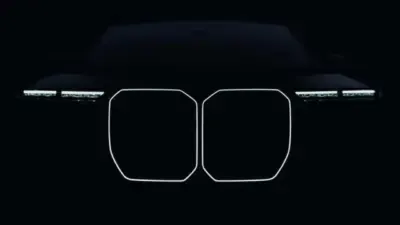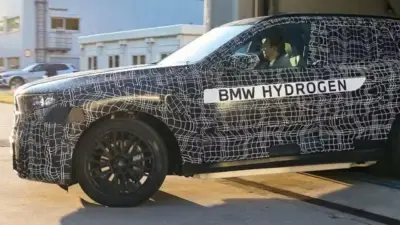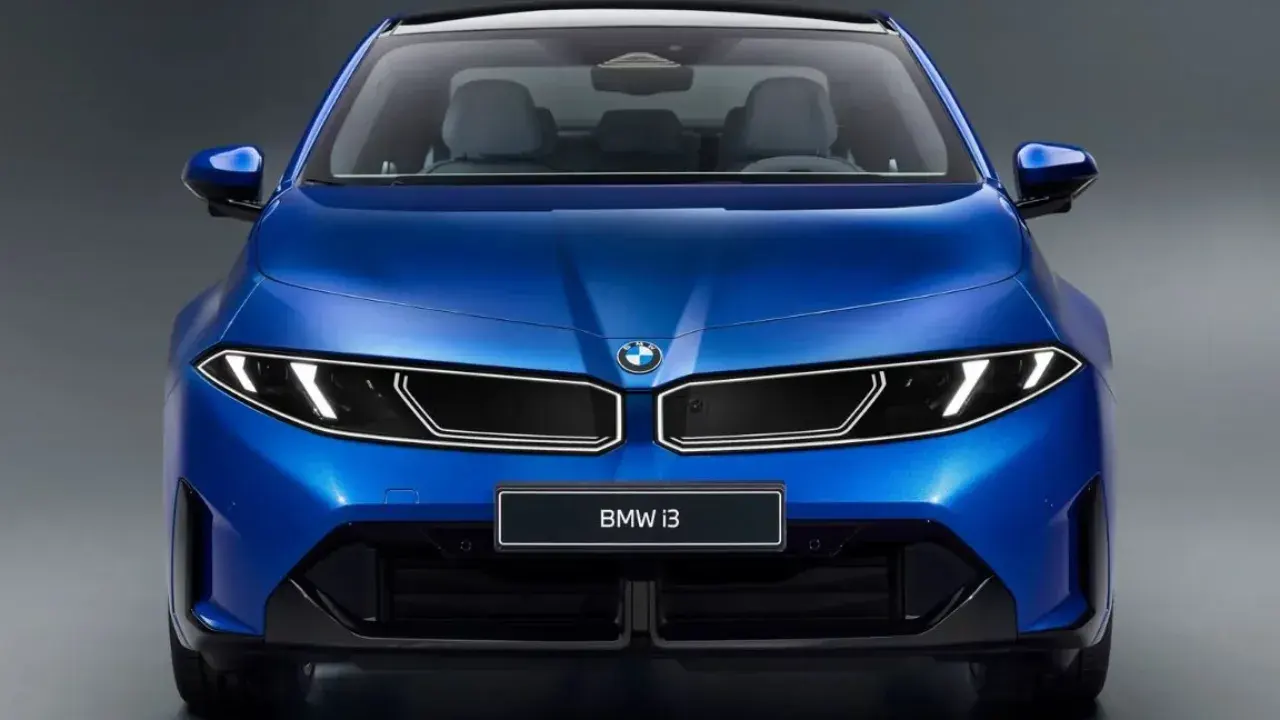
Forget the urban runabout with the recycled-jute dashboard and the turning radius of a shopping cart. The new BMW i3, internal codename NA0, in case you enjoy that kind of detail, is a completely different proposition, and BMW knows it’s asking you to do a mental reset.
Unveiled today, the NA0 is BMW’s first Neue Klasse production sedan, and the second fully electric model born from the platform that Munich has been hyping for the better part of three years.
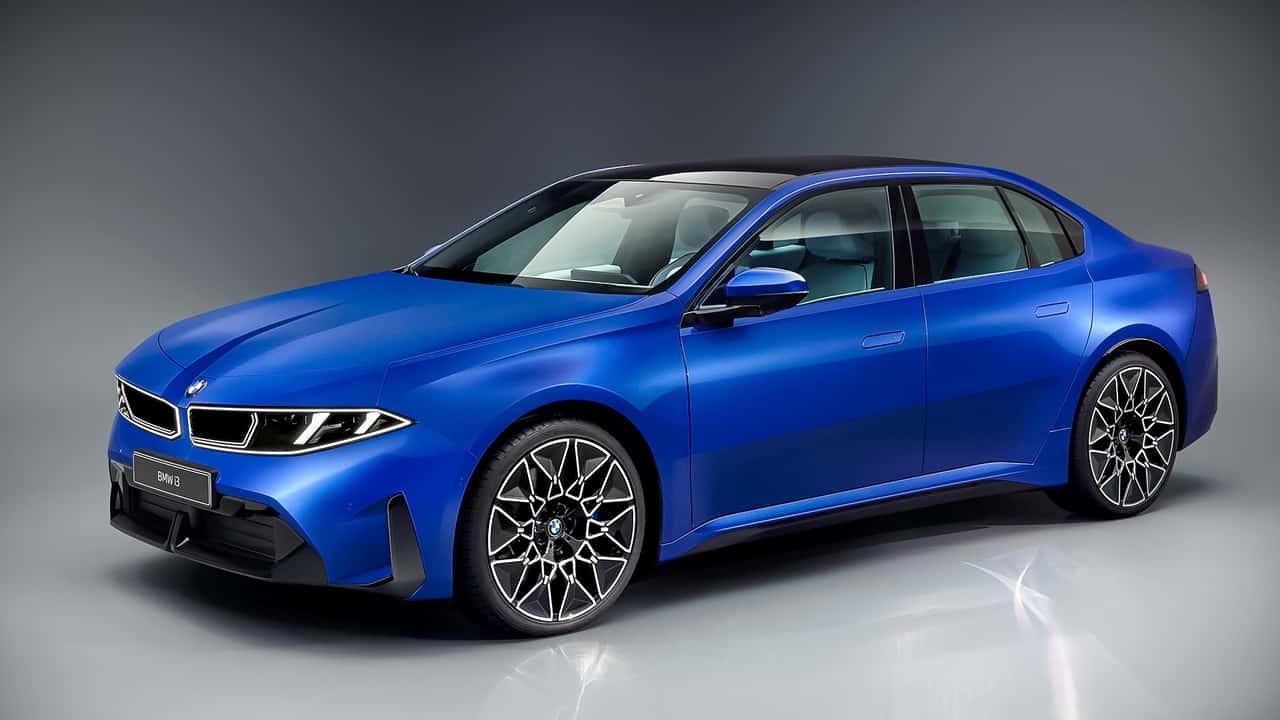
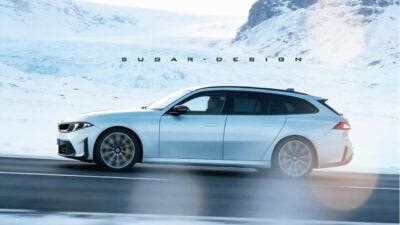
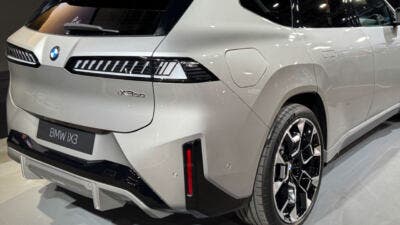
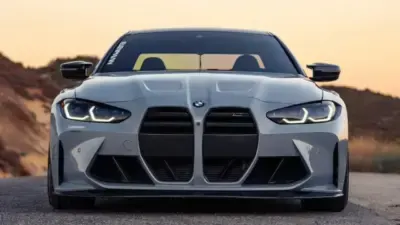
At roughly 4.8 meters in length, this is a proper executive sedan, not a statement piece for people who compost. It follows BMW’s current design language faithfully: the double-kidney grille is still there flanked by “Venom”-style rear lights that glow white when off and turn red when the car is actually alive. Aerodynamic side panels, 19-inch aero wheels, full-width 3D rear light bar, and a diffuser out back complete a silhouette that finally looks like BMW spent money on a wind tunnel instead of a mood board.
Under the skin, the serious stuff begins. The i3 runs BMW’s sixth-generation eDrive system on a standard 800-volt high-voltage architecture across the entire range. A detail that matters enormously for charging speed and is often glossed over in press releases padded with adjectives.
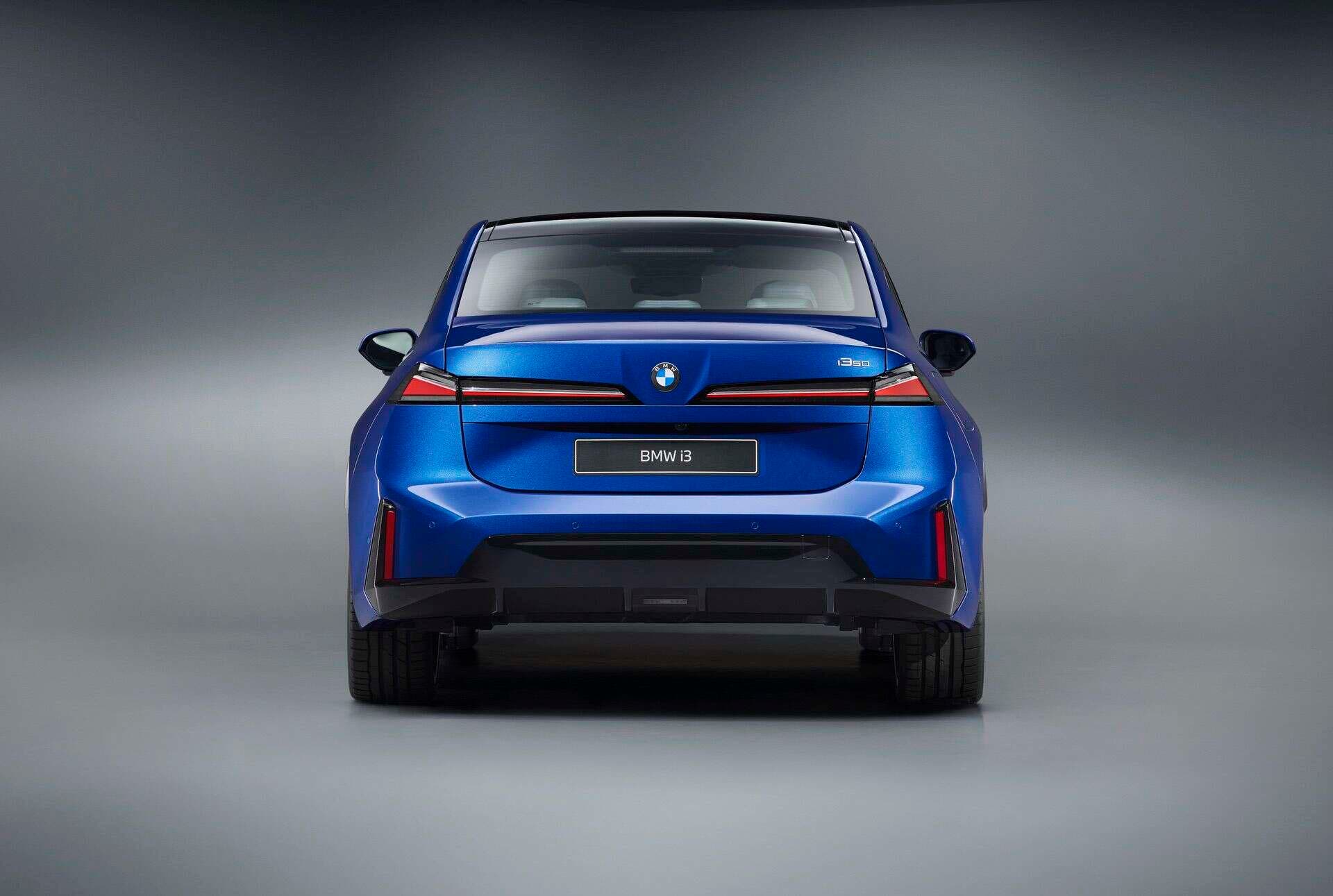
The launch variant, the 50 xDrive, pairs dual motors with all-wheel drive for a combined output of around 469 horsepower and a tested range north of 400 miles. Rear-wheel-drive versions in the 35 and 40 series follow later, with M variants rounding out the lineup for those who believe electric cars still need to scare you slightly.
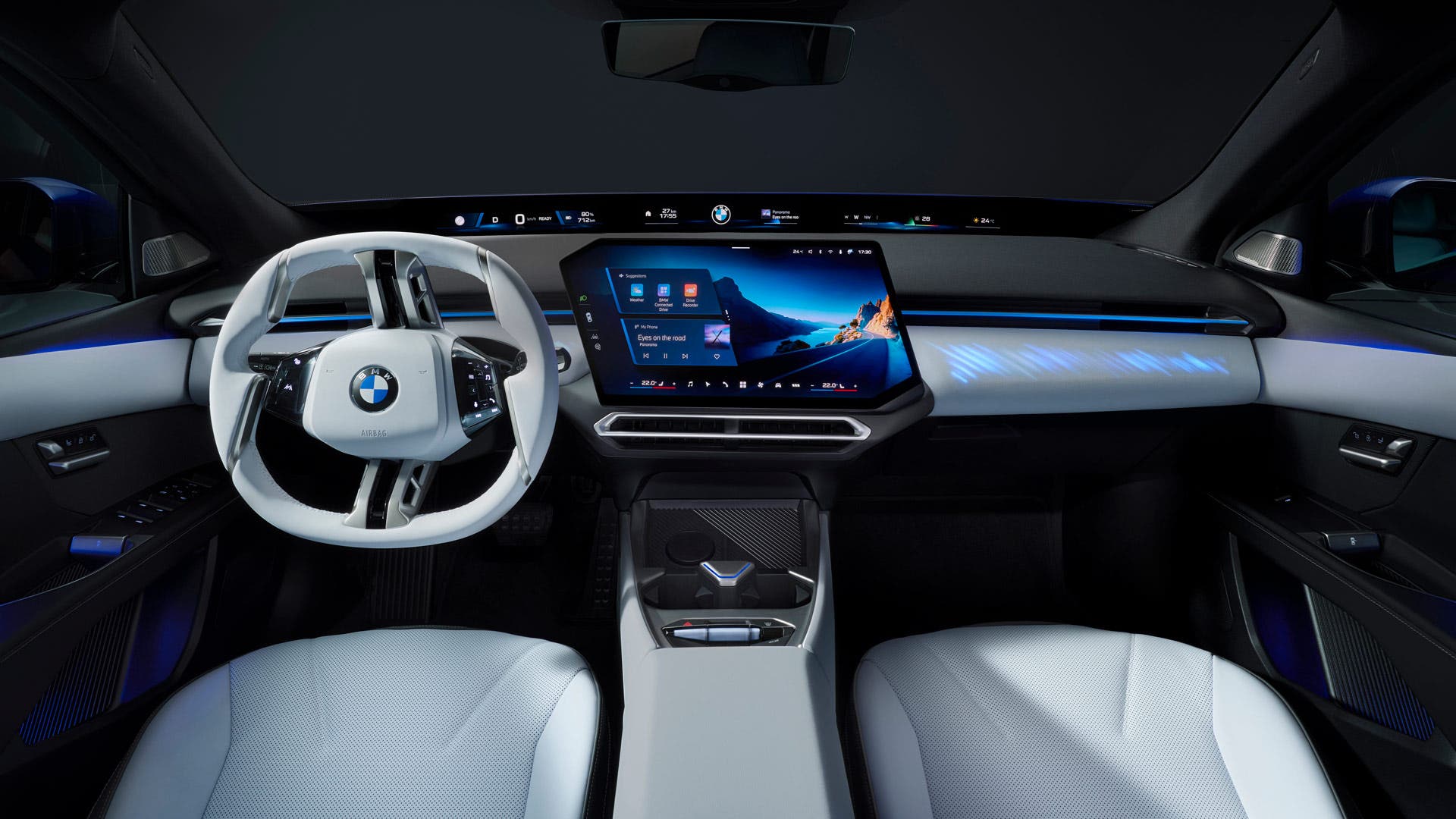
Inside, the i3 mirrors the recently revealed iX3: revised steering wheel, a distinctive central control screen, horizontal display layout. Sustainability credentials are present but not annoying. 80% recycled aluminum in the wheels and knuckles, 30% recycled materials in the body structure.
The real engineering flex is the “Driving Super Brain,” BMW’s in-house central control system that reportedly processes vehicle dynamics inputs ten times faster than the previous generation, down to millisecond precision.
The first prototype rolled off the Munich production line in February. Mass production wraps up summer 2026, with international markets first in line. A long-wheelbase version for the Chinese domestic market arrives by year-end, with sales starting in 2027.