

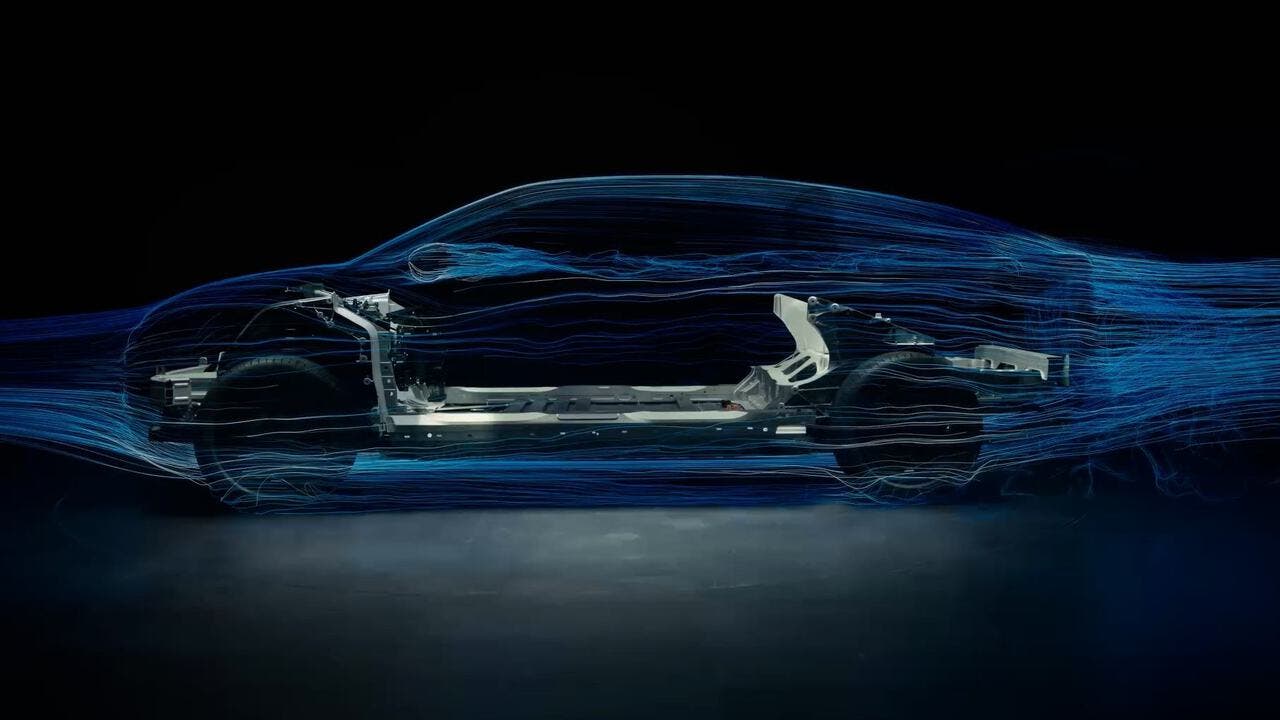
Being excited about a new electric pickup lately is like getting hyped for a faster microwave. Most modern EVs are appliances with wheels, “compliance boxes” built to satisfy a bureaucrat’s spreadsheet rather than a driver’s pulse. But Ford’s CEO, Jim Farley, seems to have finally had enough of the “generic” era. He’s not just looking to sell you another battery on wheels. He’s channeling his inner Steve Jobs to pull off a 21st-century Model T moment.
Ford is pivoting away from the bland, soulless products that have defined the early EV transition. The goal? A mid-size electric pickup arriving in 2027 that aims to be “ambitious,” not just “affordable”. With a targeted $30,000 price tag, this isn’t a truck built to rot in a government motor pool. It’s a direct strike against the incoming tide of cheap, high-quality Chinese imports.
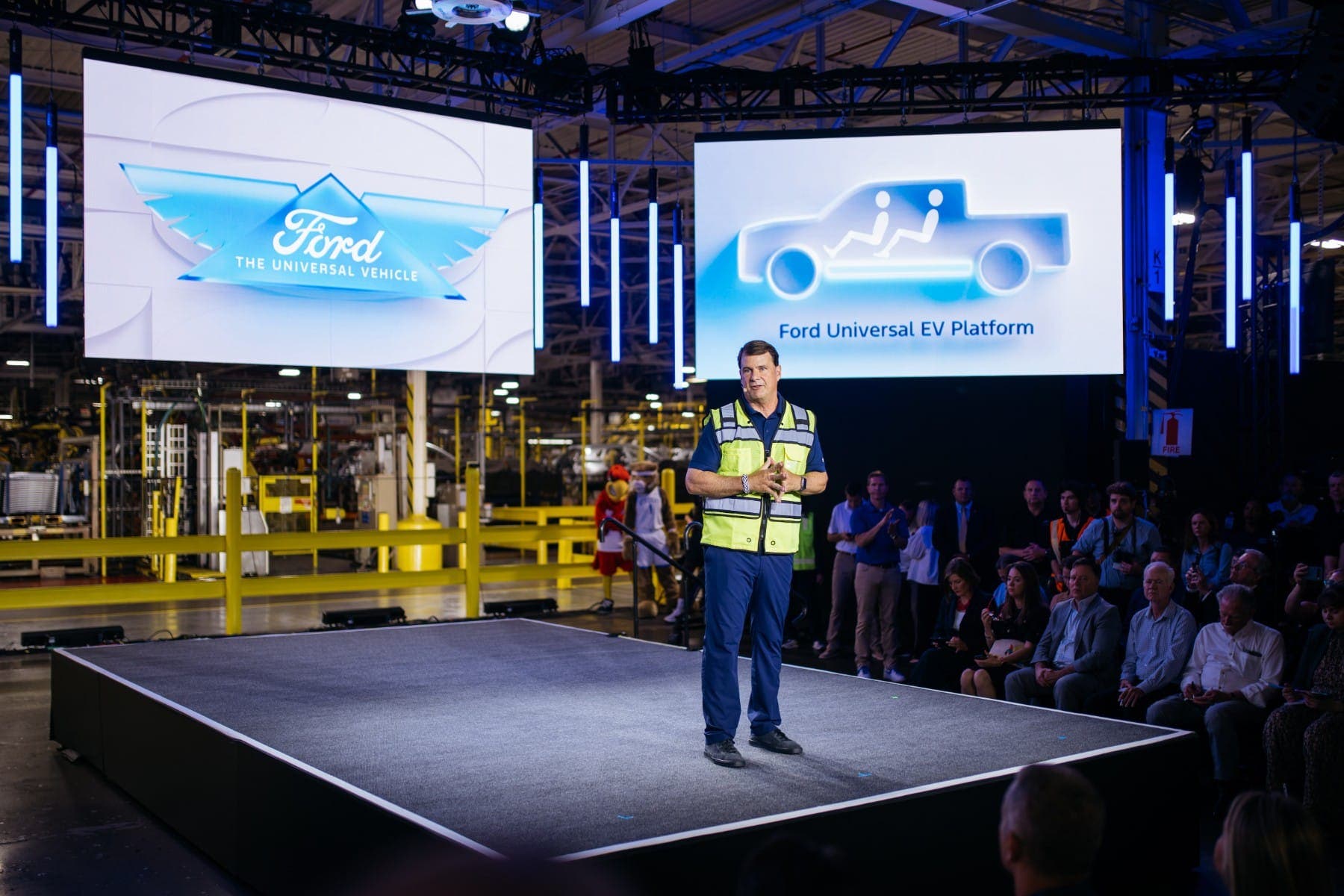
The secret sauce isn’t just marketing fluff, it’s a radical reimagining of how we bolt steel together. Under the Ford Universal EV Production System the company is ditching the traditional, bloated assembly line for something that sounds like industrial poetry. We’re talking about massive front and rear mono-block castings. Fewer welds, less stamping, and zero robots struggling to shove a dashboard into a cramped cabin because the components are baked right into the structure.
By using LFP batteries as a structural floor, Ford claims they can spit out a truck every 50 seconds. It’s a 30% jump in efficiency that turns the factory floor from a chaotic dance into a precision heartbeat.
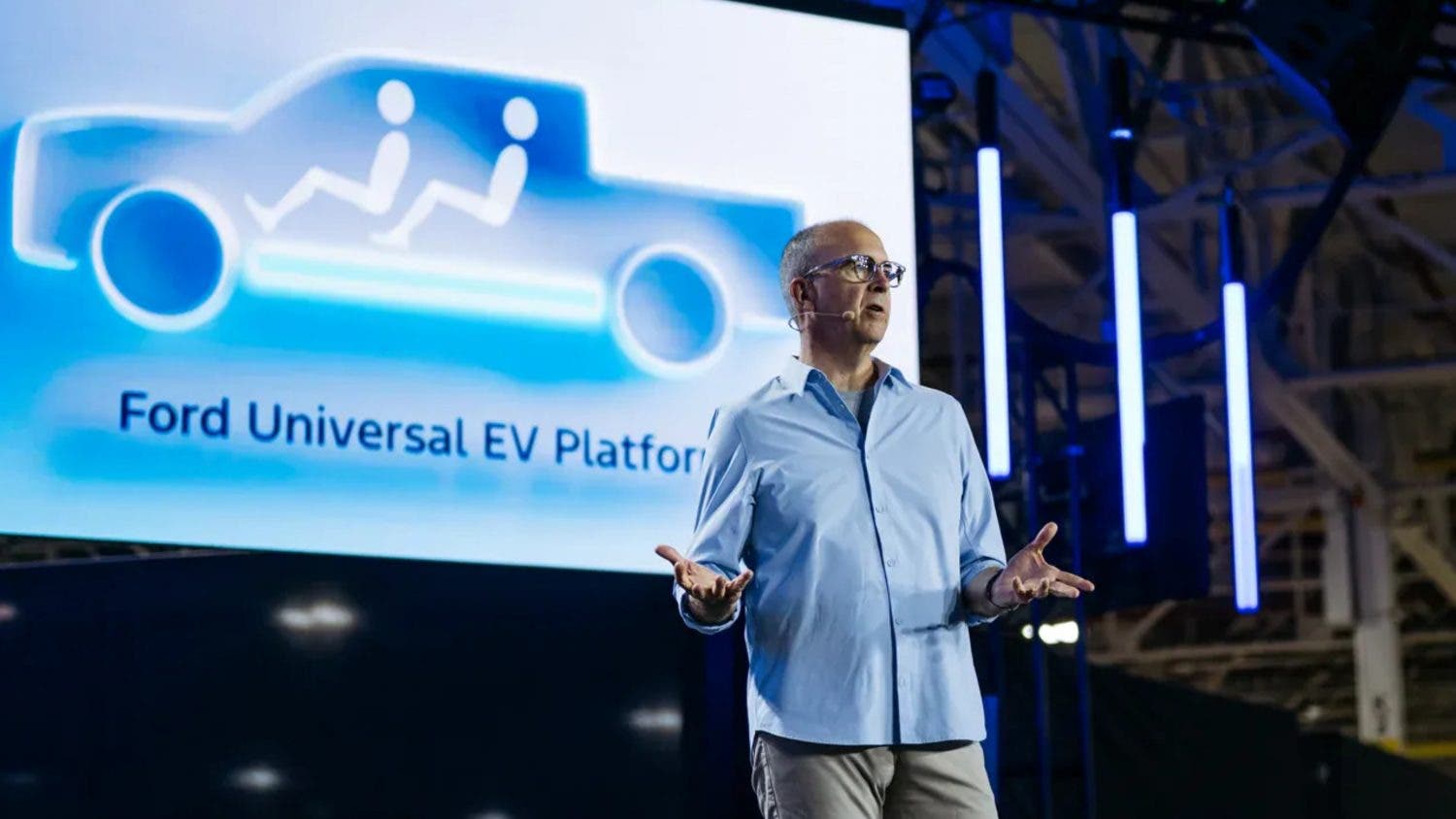
With Level 3 semi-autonomous tech and a design that supposedly screams “passion” rather than “tax credit”, Farley is betting the Blue Oval’s future on the idea that people still want to feel something when they turn the key. If he pulls this off, the 2027 pickup will be the vehicle that proves the American automotive soul can survive the electric shock.