

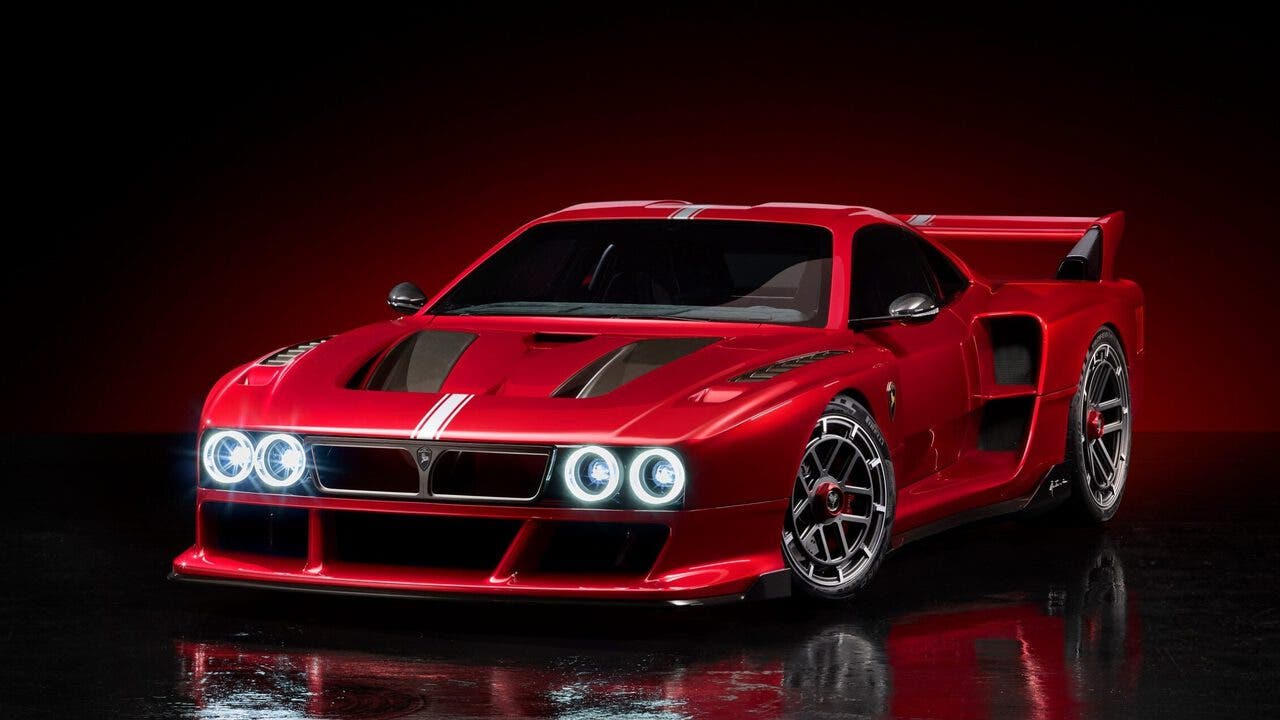
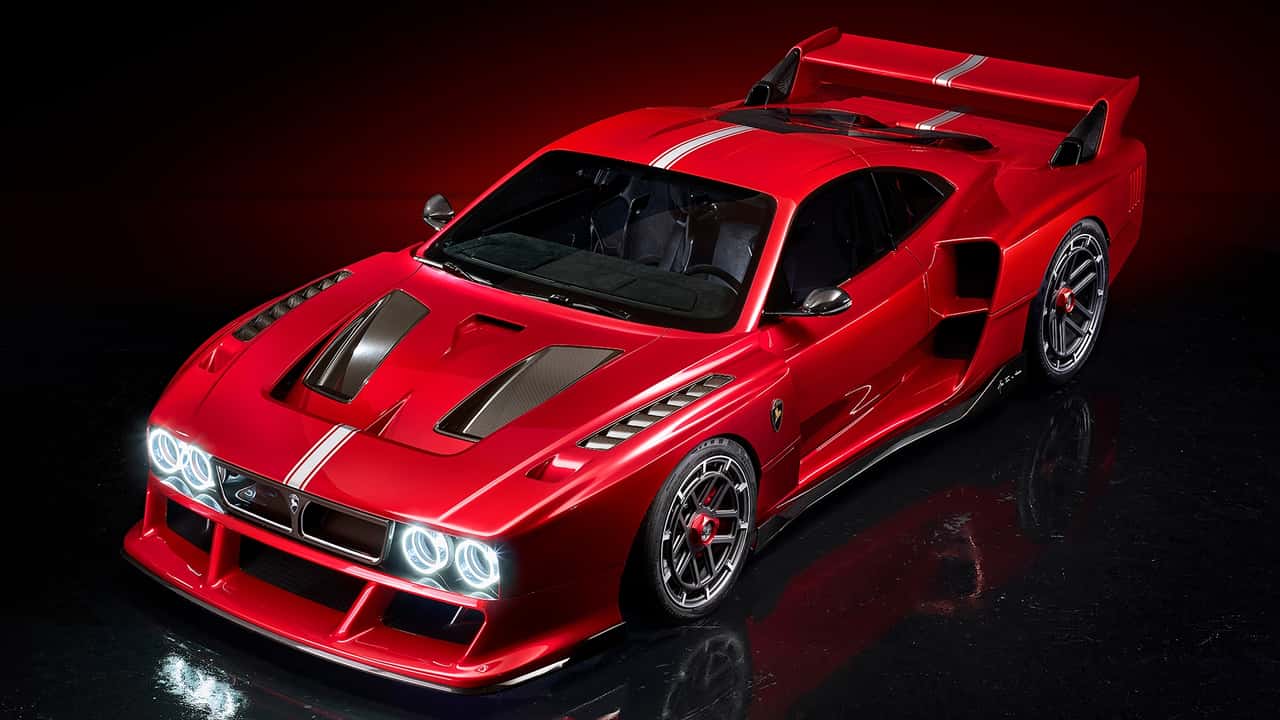
Kimera Automobili just dropped a thermonuclear bomb at the 2026 Concorso d’Eleganza Villa d’Este. It’s called the K39, and if you were expecting another polite restomod of a Lancia 037, you’re looking at the wrong car. This is a full-blown “hyper-silhouette” that looks like it escaped from a 1980s Group 5 starting grid and spent the last forty years lifting weights and studying fluid dynamics.
Every inch of this carbon-fiber madness was born from an obsessive dialogue with the wind. The designers didn’t just want it to look fast. They wanted to manipulate the air so effectively that the car practically glues itself to the tarmac.
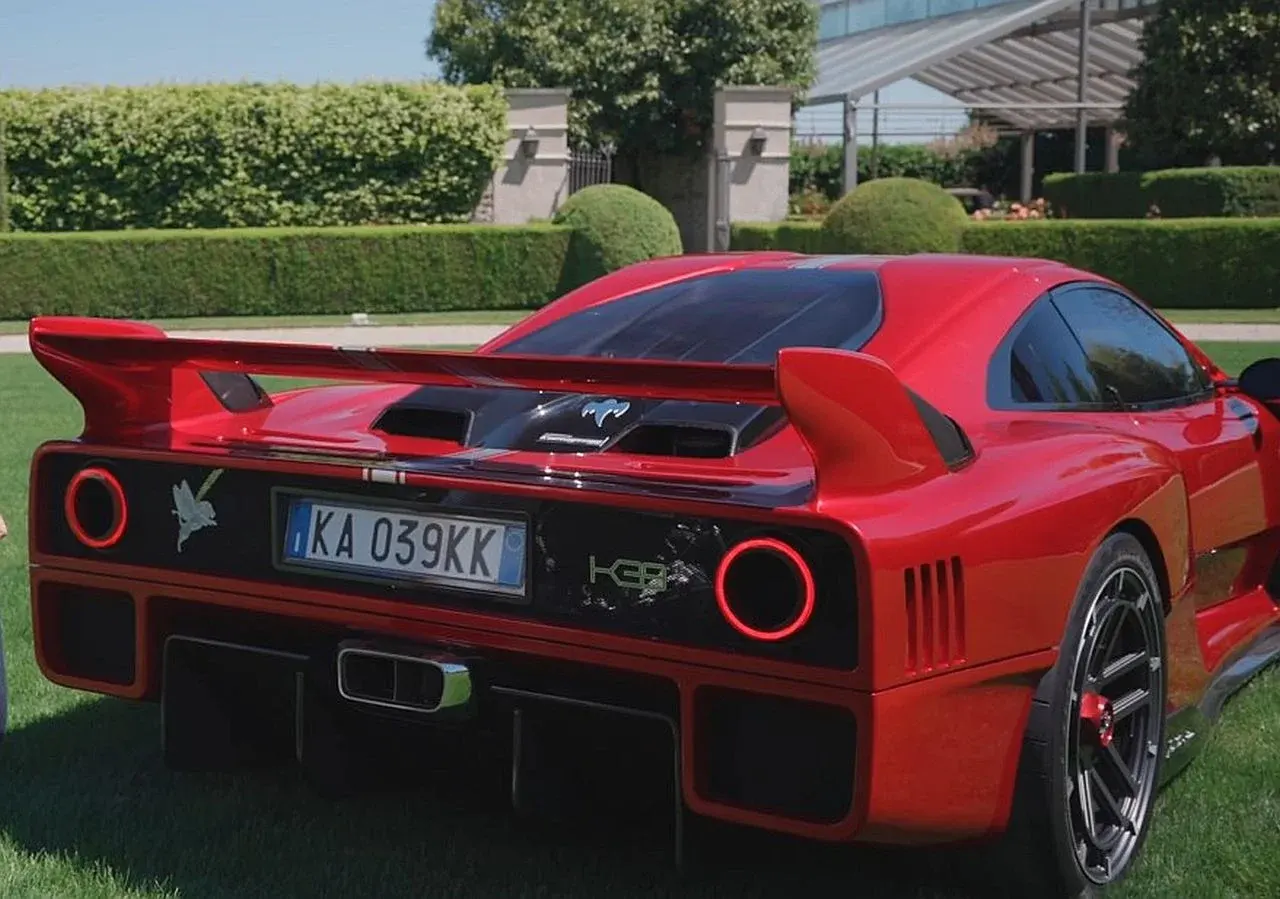
Underneath the bodywork, which screams Beta Montecarlo Turbo and 037 with a modern, aggressive accent, lies a heart that beats with Swedish precision. Kimera went shopping at the temple of speed, securing a twin-turbo V8 developed by the mad geniuses at Koenigsegg.
We are talking about 1,000 HP and 1,200 Nm of torque. These figures are a refreshing reminder of what happens when you let real engineers play with fire. Koenigsegg’s two decades of building world-record hypercars should ensure this engine doesn’t just produce big numbers, but also survives the brutal demands of extreme driving.
Luca Betti and his Cuneo-based squad aren’t content with just winning beauty pageants on the shores of Lake Como. They are taking the K39 to the “Race to the Clouds” Pikes Peak. The car will wear the legendary Martini Racing livery, a visual drug for anyone who grew up watching Lancia dominate the dirt.
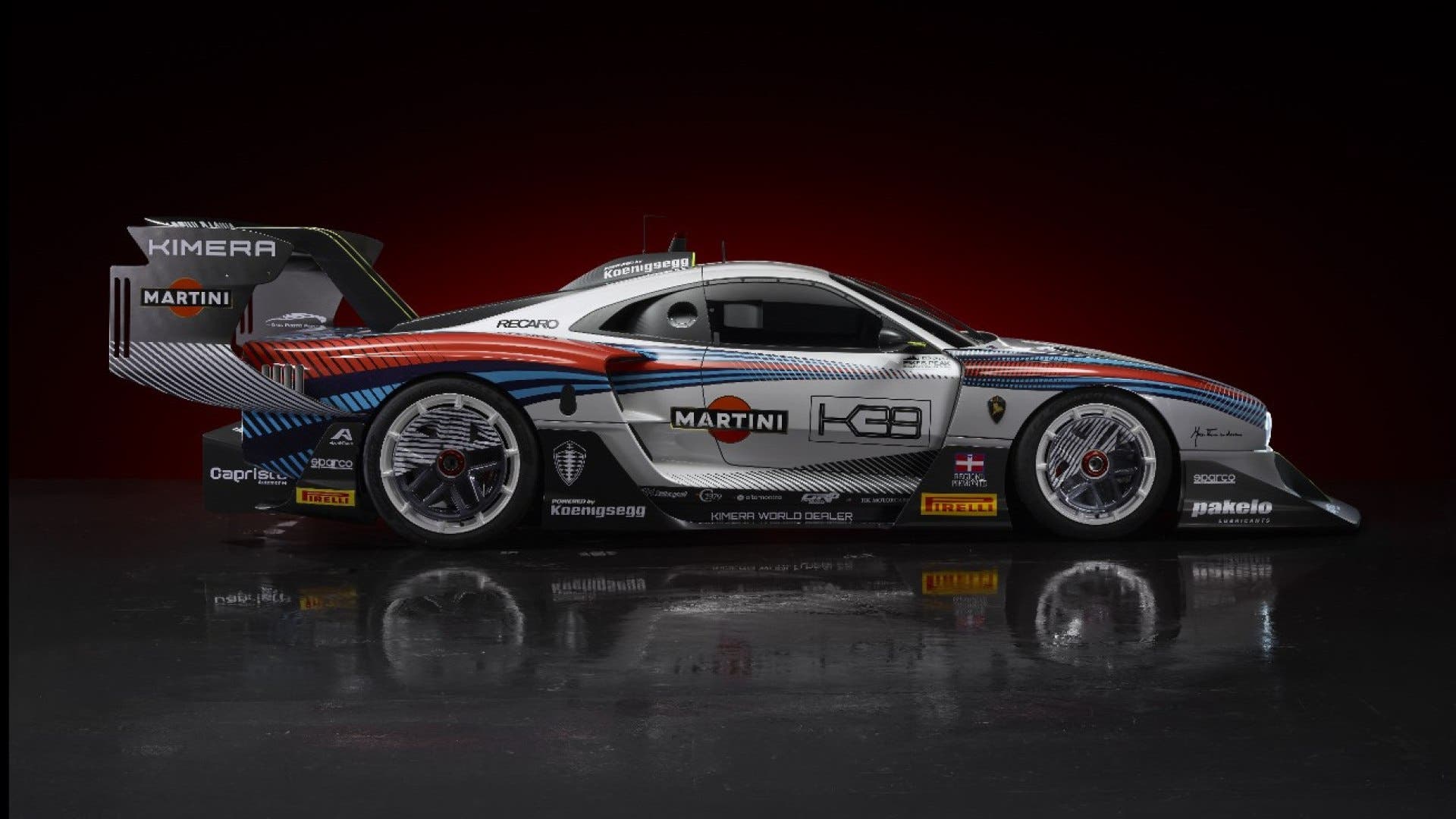
The Pikes Peak version will be even more aerodynamically violent than the road car, featuring custom specs designed to hunt down records in the Colorado thin air. It’s a project that mocks the concept of “good enough”. It’s loud, it’s unnecessarily powerful, and it’s deeply rooted in a racing heritage that most modern manufacturers have forgotten how to honor.