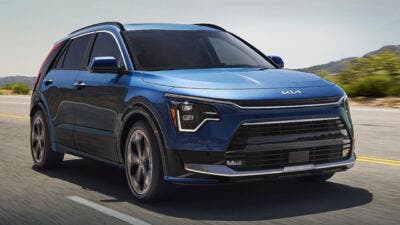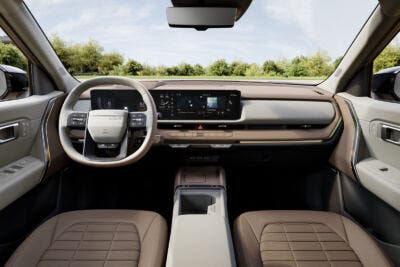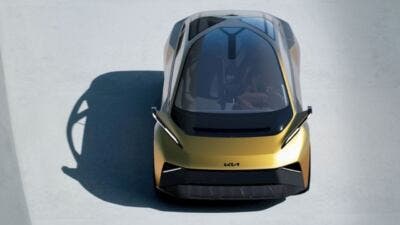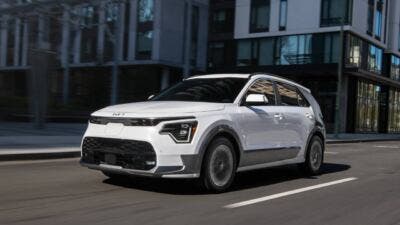
The Kia Niro EV is dead. No dramatic farewell, no limited special edition to milk the nostalgia. Just a quiet confirmation from Kia senior marketing manager Jung Yoon-kyung to The Korea Herald: production has ended, and the remaining inventory will be sold off until it’s gone.
It’s a blunt ending for a car that, back in 2018, felt genuinely ahead of its time. When the first-generation Niro EV debuted, affordable electric crossovers were a rare species. Kia had something real. A practical, reasonably priced EV at a moment when the competition was either expensive or nonexistent. The second generation, launched in 2021, pushed things further. Sharper styling, faster DC charging, better everything.
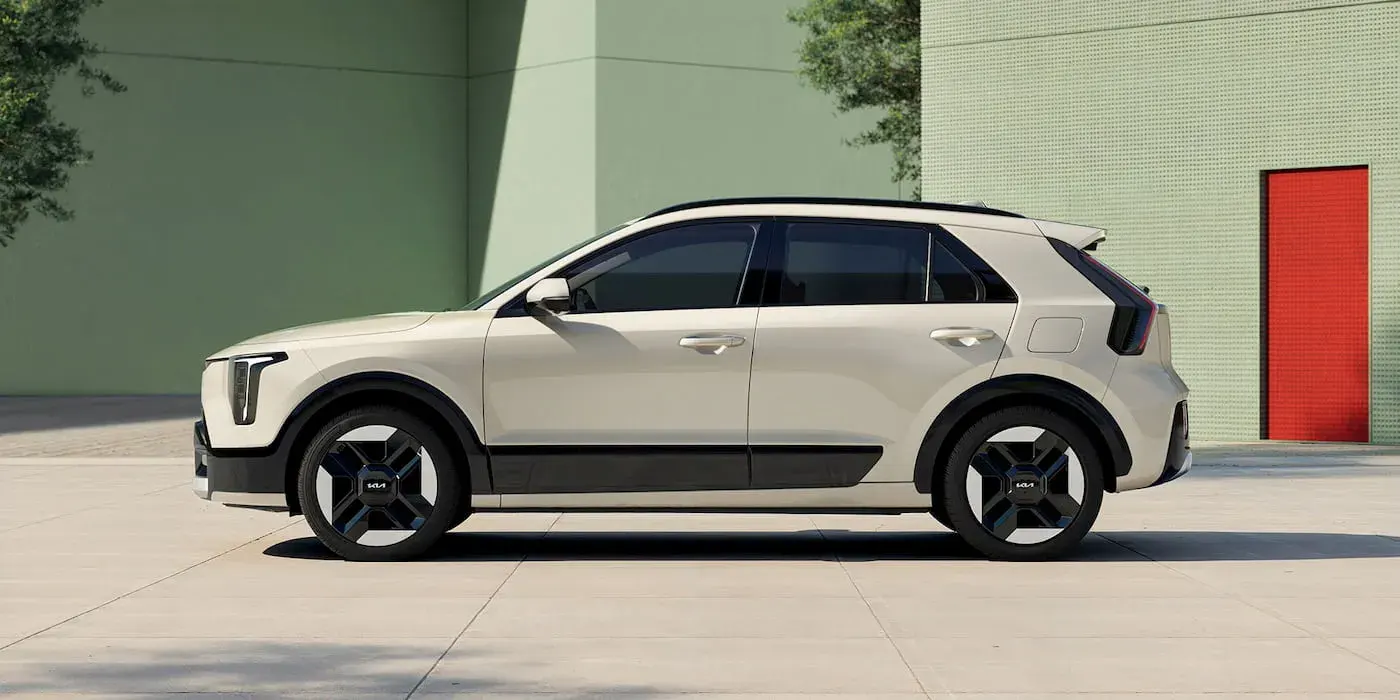
Then the market caught up. And then the market ran past it without looking back. By the time the refreshed Niro arrived in 2025, the math had stopped working. A $40,000 entry price and 252 miles of range might have turned heads in 2019. In today’s EV landscape, it just raises eyebrows. The Tesla Model 3 starts at $36,990 and goes 322 miles. The Chevrolet Bolt EV undercuts the Niro by over $10,000. The new Nissan Leaf hovers around $30,000. The Niro EV wasn’t competing anymore. It was just occupying shelf space.
The final blow came from within Kia’s own lineup. The EV3 and EV4, built on a more advanced platform and priced significantly lower, made the Niro EV’s position in the catalog not just redundant, but almost embarrassing. When your own sibling undercuts you, the writing is on the wall.
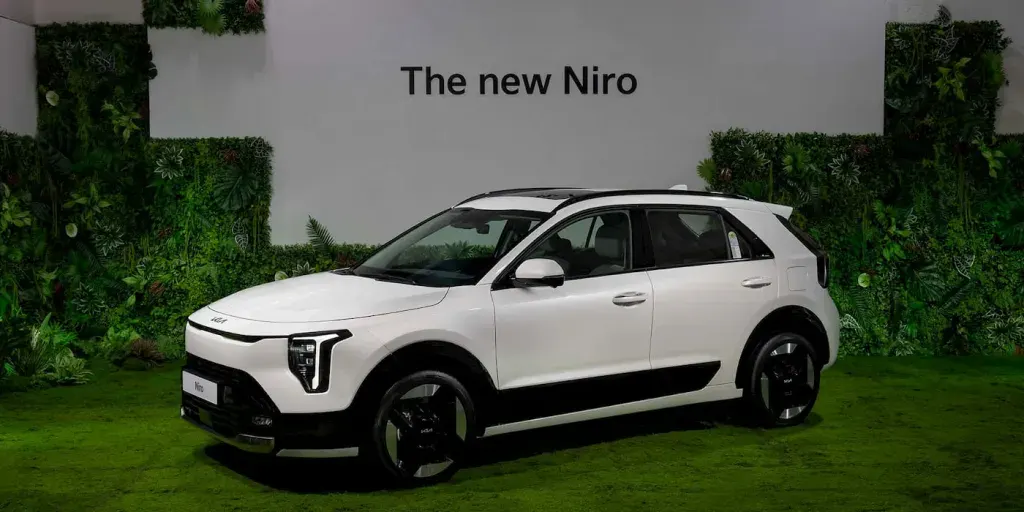
So the refreshed Niro moves forward as a hybrid-only model, available in South Korea with a 1.6-liter hybrid powertrain producing 141 HP total. Whether the updated version reaches the US market remains unclear.
In the States, once the pre-refresh stock runs dry, Kia’s electric lineup will shrink to just two models: the EV6 and the EV9, both assembled domestically, both shielded from the import tariff storm that recently forced Kia to pause EV6 GT sales entirely. The EV3 and EV4, originally planned for U.S. import, are stuck in regulatory limbo with no clear timeline.
The Niro EV didn’t fail because it was a bad car. It failed because the world it was built for moved on faster than anyone expected.