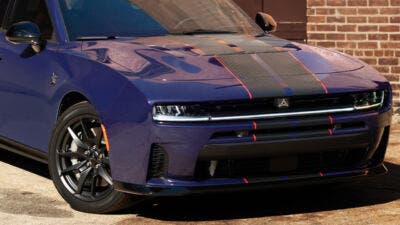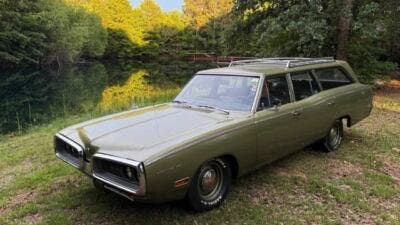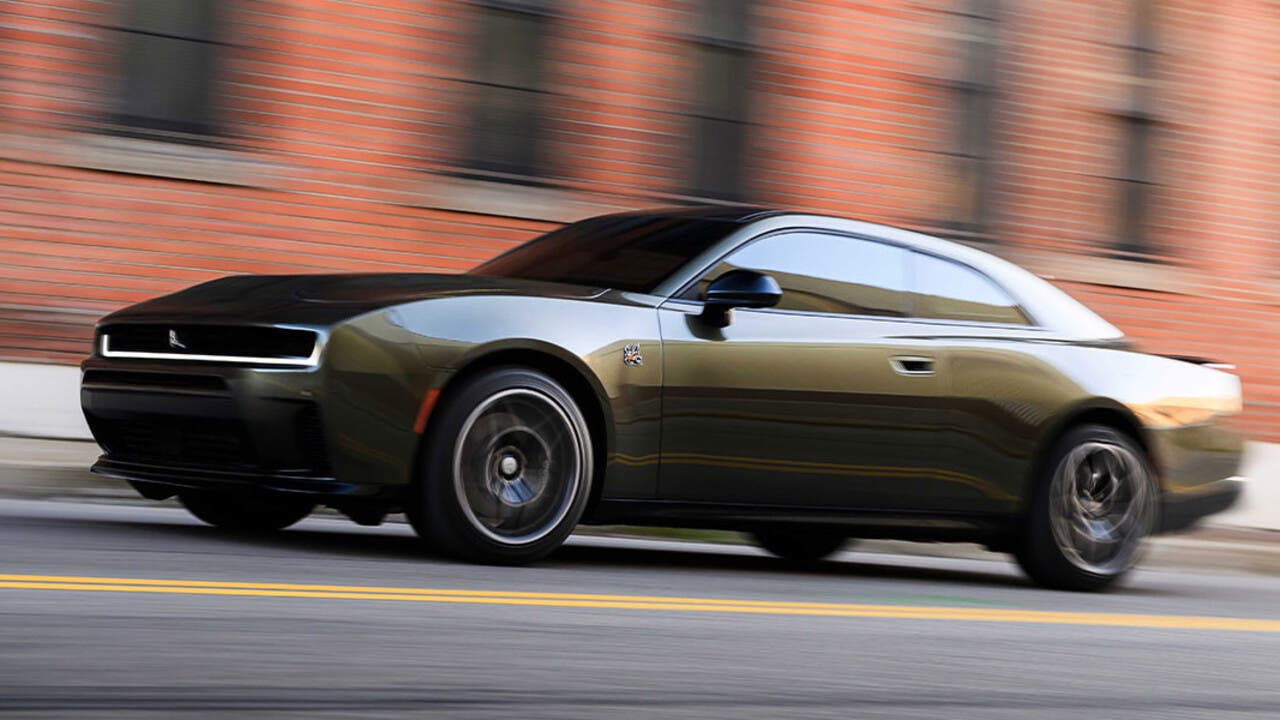
Stellantis’ grand experiment of forcing a historically loud, tire-shredding demographic to embrace the eerie, eco-friendly hum of electricity has yielded a result that surprised absolutely no one outside of a corporate boardroom. When Dodge killed the legacy Charger and Challenger to bet the house on the battery-powered Daytona, delaying gas-fed variants to an unspecified future, they effectively told traditional muscle car enthusiasts to take an ideological rain check.
The market responded with a collective, icy shrug. It turns out that muscle car buyers actually like the visceral roar of internal combustion. Fortunately for Dodge, the gas-powered Hurricane engine finally arrived to prevent a complete organizational funeral.
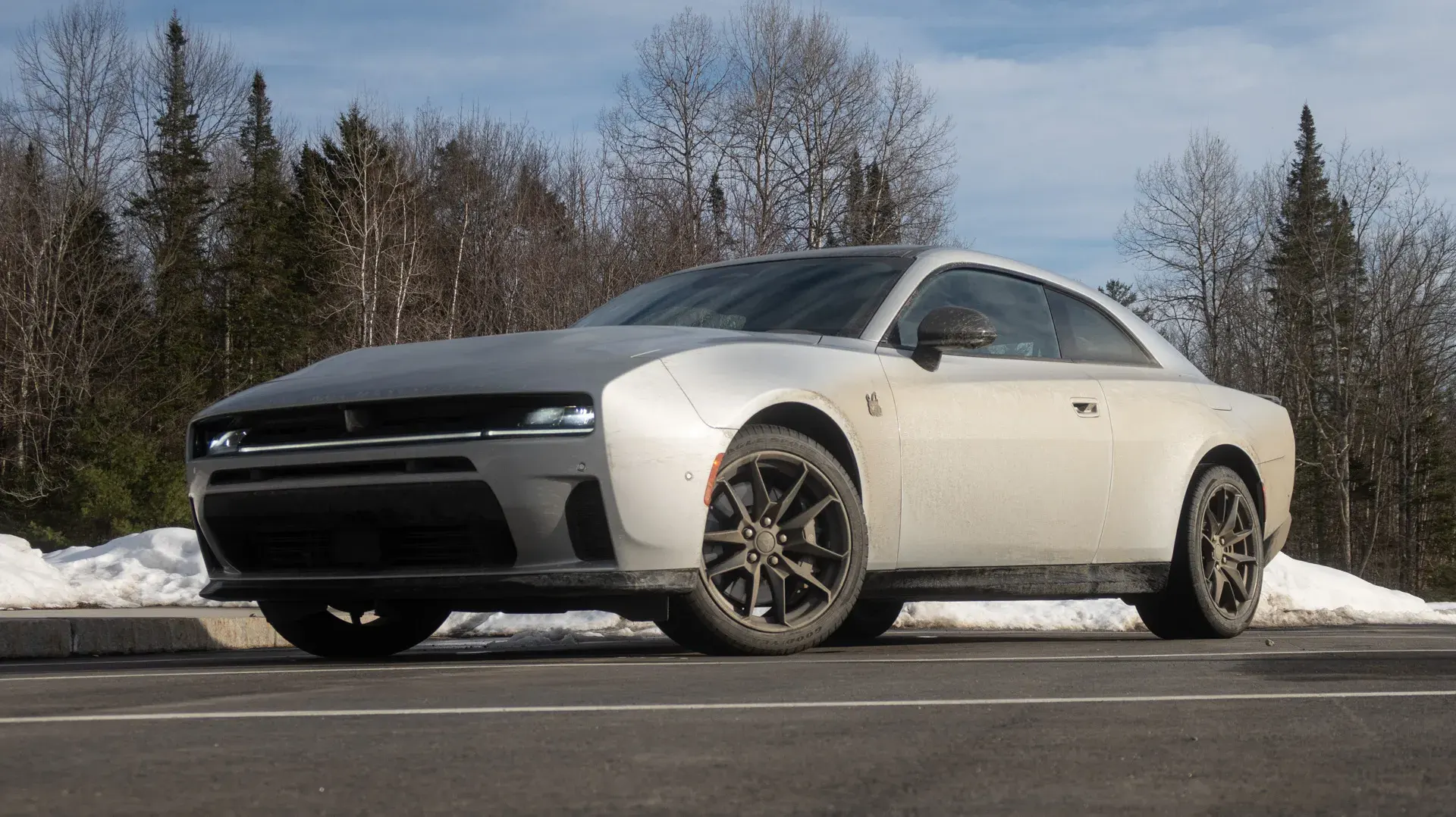
The 2025 sales ledger exposes a hilarious divide between corporate delusion and cold reality. On paper, Stellantis is celebrating a 33% year-over-year bump in overall Charger sales. But looking beneath the glossy PR veneer reveals that traditional engineering is doing 100% of the heavy lifting. The Hurricane-powered Charger moved ,4583 units, representing an explosive 181% jump compared to last year and an eye-watering 404% leap over the second quarter of this year alone, skyrocketing from a meager 578 to 2,911 units in a three-month span. We can likely thank the arrival of the practical four-door layouts and the R/T Sixpack variants for this sudden influx of buyers who still prefer pistons over plugs.
Meanwhile, the electric Charger Daytona is suffering a brutal, unmitigated disaster. In Q2, Dodge managed to sell a laughable 294 electric units, a staggering drop from the already disappointing 2,352 units pushed in Q1. The year-to-date total for the EV stands at a tragic 534 units, compared to 4,299 last year, an 88% freefall that requires no marketing spin to comprehend.
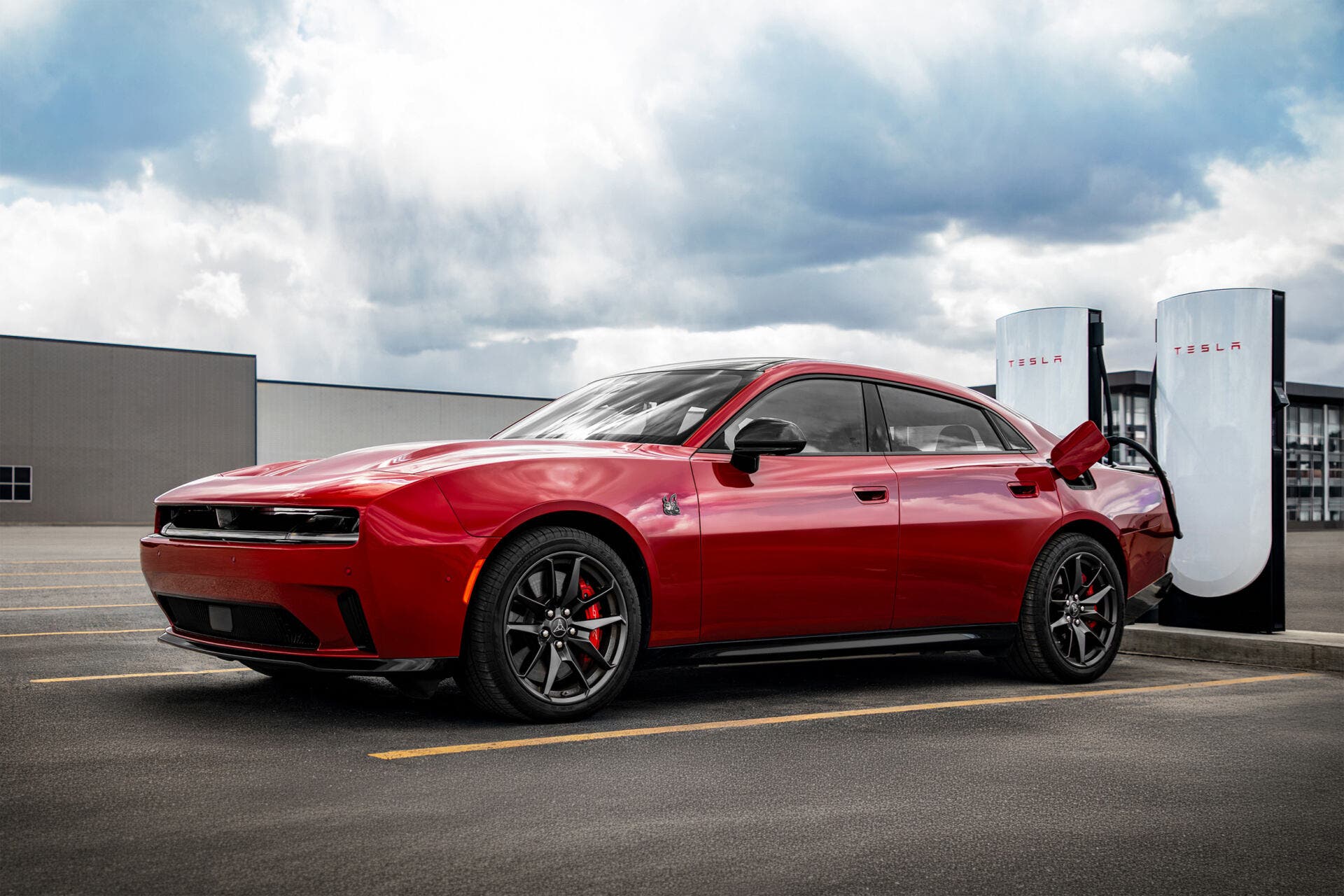
Stellantis CEO Antonio Filosa shockingly predicted that gas versions would command 90% of the sales volume, and reality landed at 89.5%. Give the man a medal for statistical accuracy, but perhaps a stern talking-to regarding the brand’s initial product strategy.
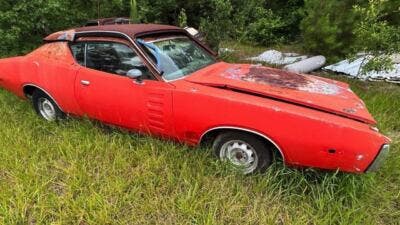
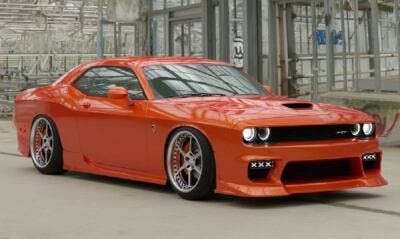
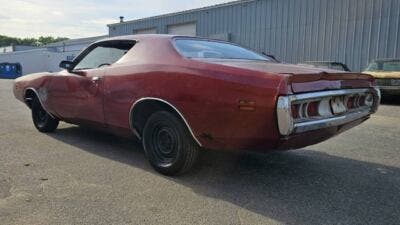
Despite the Hurricane’s heroic rescue mission, Dodge still faces a severe scale crisis. In their twilight years, the old Charger pulled in nearly 35,000 units annually, while the Challenger comfortably flirted with 27,000. Today’s combined figures look like a rounding error. To fix this self-inflicted wound, Dodge has two clear paths. They could put in the engineering hours to shove the Ram 1500’s Hemi V8 back under the hood, or they could fix the absurd pricing strategy. The R/T Hurricane currently demands a steep $50,000, effectively locking out the blue-collar base that simply wants a mean-looking car without a luxury-grade monthly payment.