

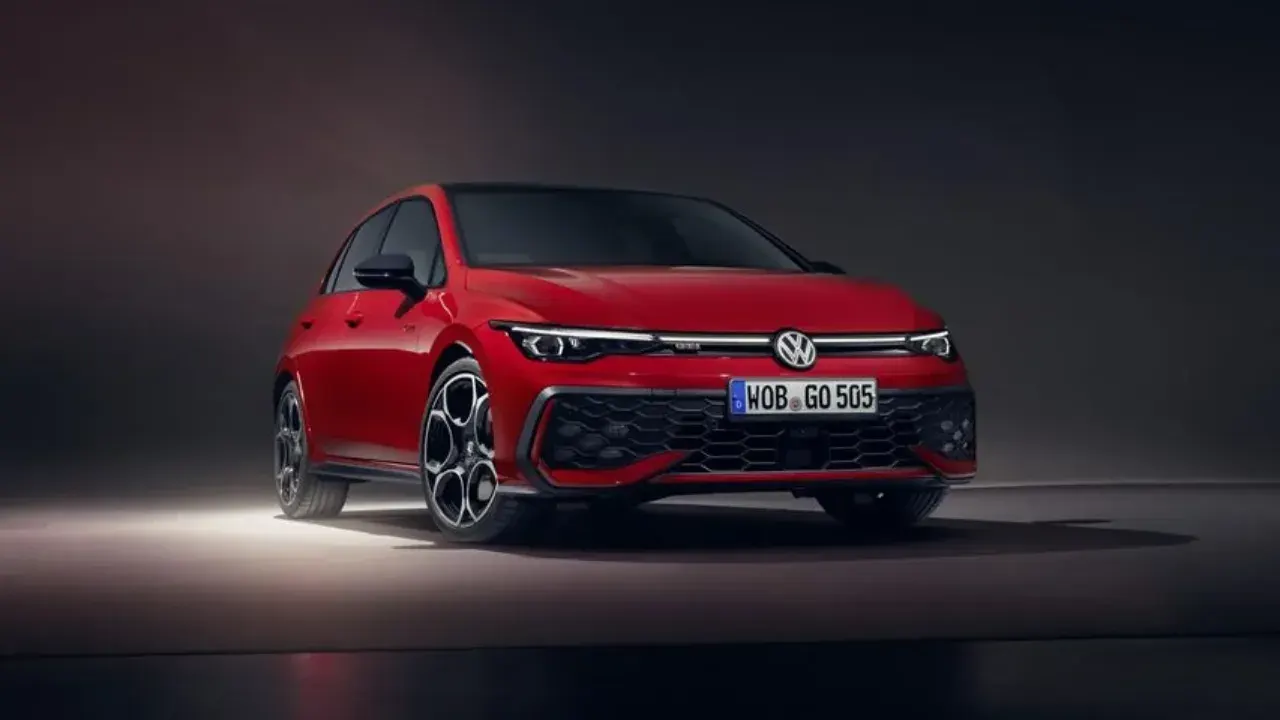
The Volkswagen Golf is approaching the most radical transformation in its four-decade existence. With the arrival of the Mk9 later this decade, the mainline range will go electric, built in Wolfsburg on the future Scalable Systems Platform (SSP). Meanwhile, the current combustion-powered Golf will undergo a deep facelift and be deported to Mexico starting in 2027. Because Wolfsburg, apparently, is too noble to host gasoline dinosaurs.
While enthusiasts were preparing to mourn the end of the Golf GTI and Golf R performance variants, Sebastian Willmann, head of chassis development and driving dynamics at Volkswagen, dispelled fears with a firm “no”. The GTI Mk8.5 won’t be the last with a gasoline engine. Willmann confirmed that the 2.0-liter turbocharged EA888 four-cylinder will continue to exist, adapted to Euro 7 standards. A small regulatory miracle, essentially.
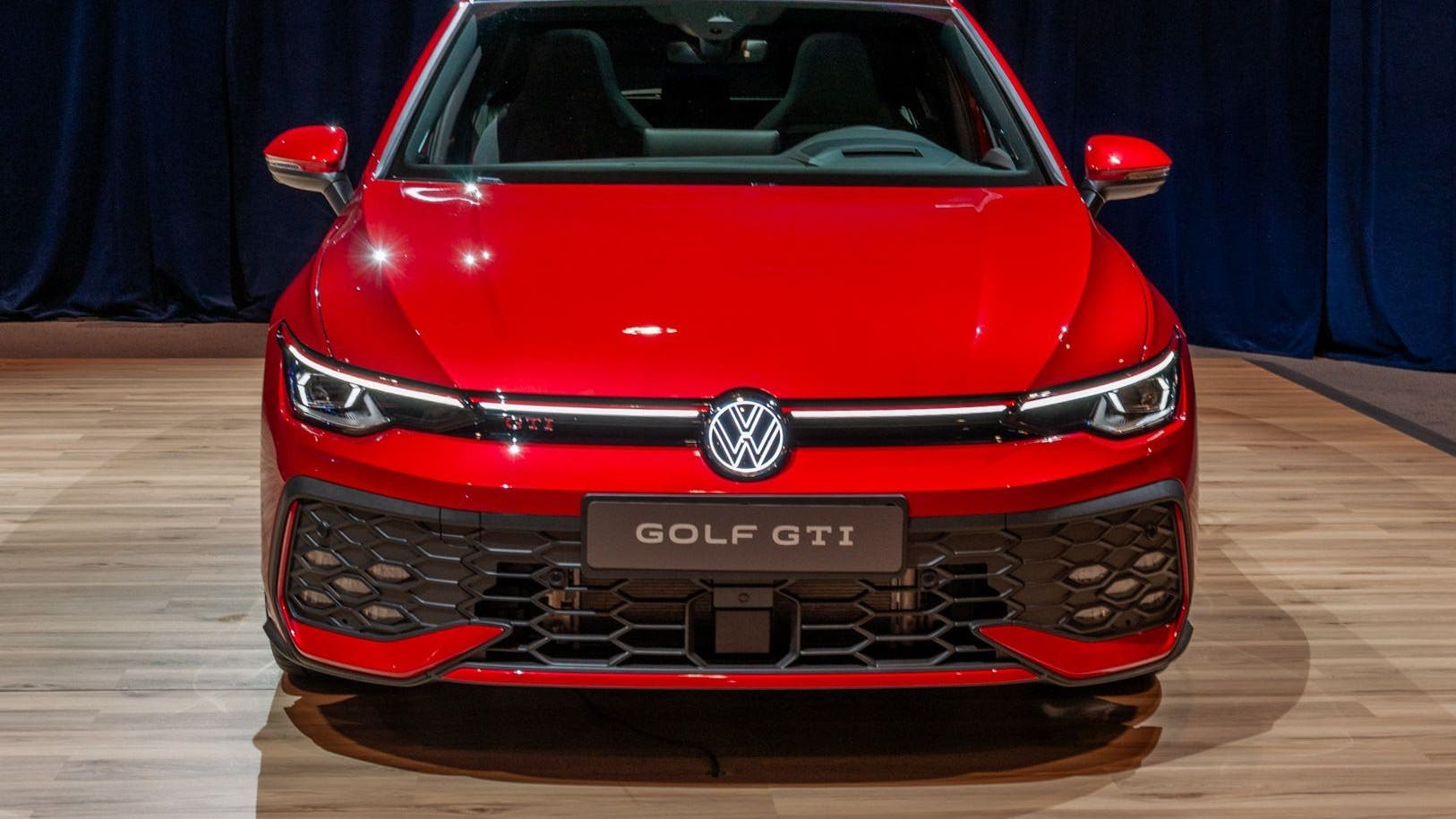
The future of the Golf R also appears less apocalyptic than expected. Willmann spoke of “a certain margin for improvement” for the all-wheel-drive flagship, adding a cryptic “let’s see what will be possible to achieve over time”.
The executive then recalled an uncomfortable truth: “At Volkswagen, we need to deliver results on all fronts. We need efficient cars, high-performance cars, and more affordable cars”. The high-volume segment profits from this variety, as the Golf always has. So whether electric or combustion, what matters is selling.
Europe has backtracked on the total ban of new internal combustion vehicles by 2035. Now automakers will need to reduce fleet emissions by 90% compared to 2021 levels, effectively suspending gasoline and diesel without completely strangling the sector. A move that leaves room for thermodynamic aftershocks.
Willmann’s statements, however, clash with those of CEO Thomas Schäfer, who in 2024 had stated that the Golf R would be based exclusively on the SSP EV architecture. Evidently, at Wolfsburg, either nobody talks to each other, or perhaps they talk too much.
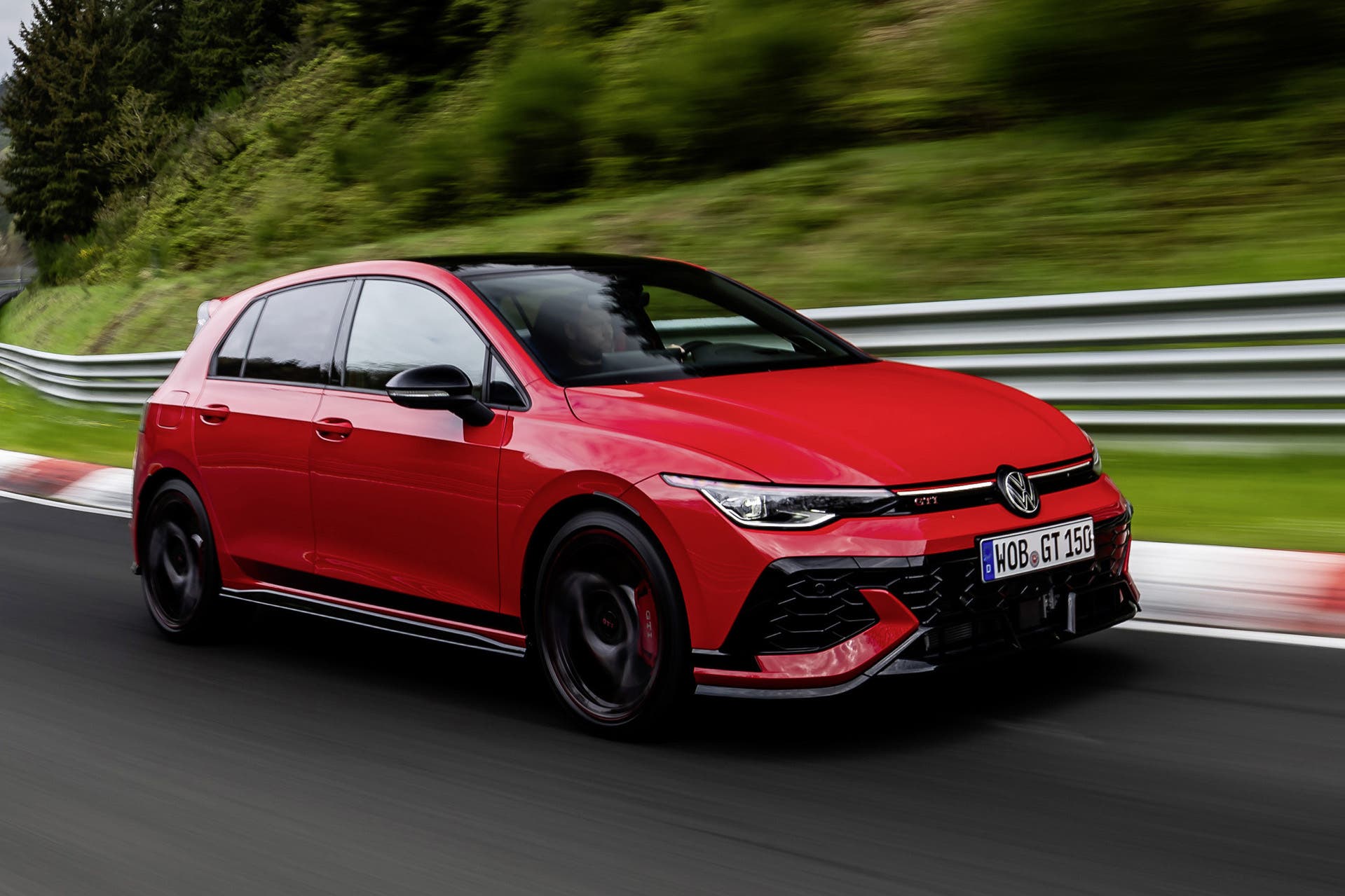
The Golf GTI and Golf R will survive a bit longer, riding the EA888 engine into the sunset of Euro 7 compliance. But the real question isn’t whether these icons can outlast regulatory pressures.