

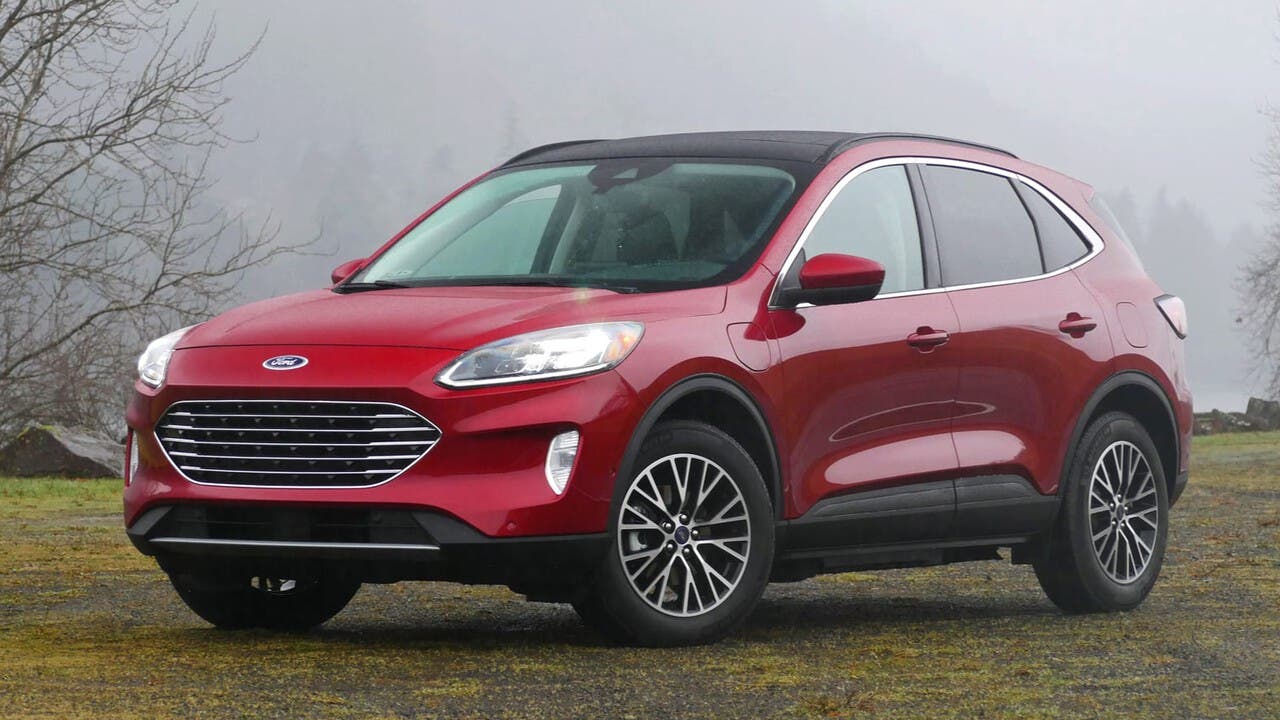
For over 20,000 owners of the Ford Escape PHEV and Lincoln Corsair PHEV, the news is grim. The same high-voltage battery issue that triggered a recall last year has resurfaced, forcing federal regulators to issue a second warning. It appears Ford’s initial “fix” was less a solution and more a temporary software band-aid, failing to address the fundamental manufacturing flaw that could potentially turn these popular plug-in hybrids into expensive, smoldering paperweights.
The recall covers 16,543 Escape PHEVs (built between July 2019 and April 2024) and 4,015 Corsair PHEVs (built between October 2019 and April 2024). According to the NHTSA, the affected vehicles contain battery cells that can develop an internal short circuit. The battery can overheat, leading to a potential fire risk.
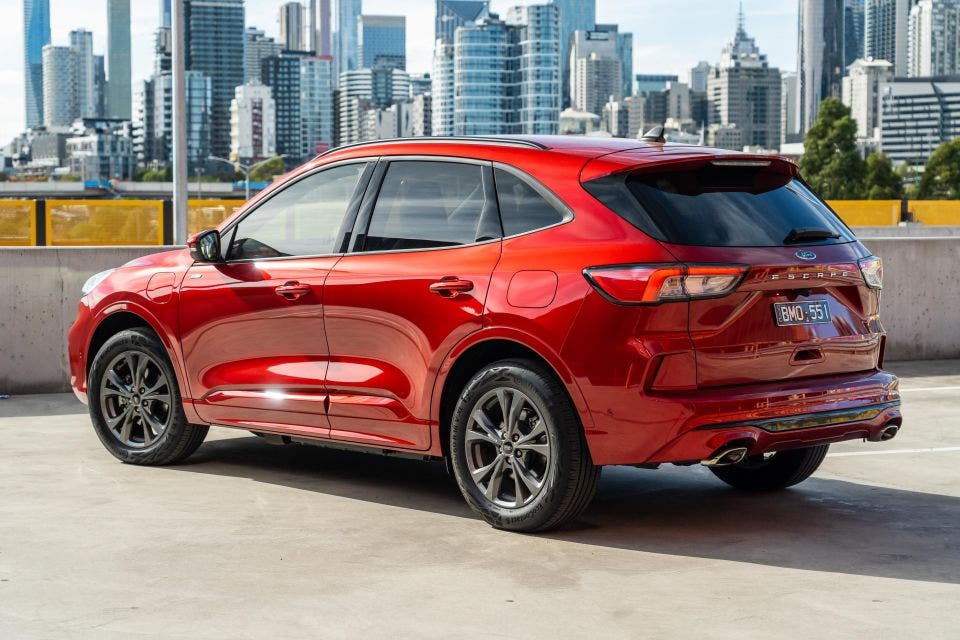
While the company assures drivers that vital functions like steering, braking, and lights would continue to operate, a catastrophic battery failure would certainly cause the propulsion system to stall, leaving drivers stranded.
Ford’s first attempt to mitigate this terrifying possibility involved a software update to the battery energy control module. This patch was supposed to act as an early warning system, detecting abnormal situation, alerting the driver to pull over immediately, and halting further battery charging. However, Ford now confirms that the update does not reliably detect every single faulty cell, and the underlying manufacturing defect remains untamed.
In Europe, where the mechanically similar Ford Kuga PHEV is sold, the automaker has already logged seven battery fire incidents involving vehicles that had received the initial software fix. Internal documents point to possible damage to the separator layer that divides the cathode from the anode. All suspect cells were produced by Samsung SDI at their Hungary facility, with Ford citing “variability in the manufacturing process” as a likely contributing factor.

Until engineers can actually develop a definitive solution, the advice for owners is frankly terrifying. Ford is instructing owners to limit their charging and rely heavily on the non-aggressive “Auto EV” mode. Owners will soon receive emailed instructions on how to maintain a reduced battery state of charge until a proper repair is finally developed.