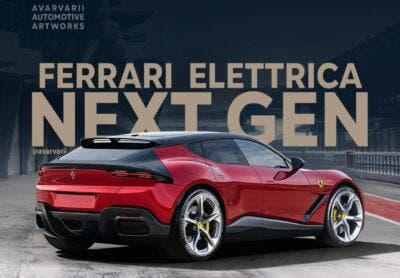
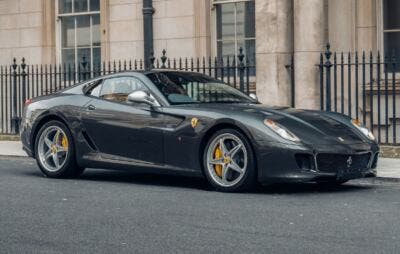
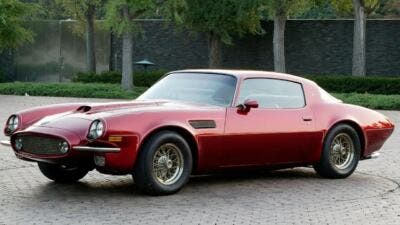
The Prancing Horse is charging headlong into the electric future with its first pure EV, simply named the Elettrica. This beast seems to feature an eye-watering four-motor setup and a combined output exceeding 1,000 HP. A figure designed to ensure its battery-powered debut is nothing less than spectacular. However, in a typically shrewd move, Ferrari is keeping a very close eye on the balance sheet, just in case their hyper-expensive EV turns out to be a marketplace dud.
The global EV revolution has cooled, with consumers now preferring hybrids over pricey battery cars, and Chinese automakers aggressively muscling into traditional territory. Ferrari, being Ferrari, is unbothered. If the Elettrica doesn’t sell well, they’ll simply use it as an “image car” and rely on cash cows like the Purosangue to keep the coffers full.
To ensure financial harmony, the brand recently introduced the successor to its entry-level Roma GT. Named the Ferrari Amalfi, this new 2+2 two-door debuted this summer but won’t hit production until 2026. While it utilizes an all-new platform and shares few components with the Roma, it sports an evolutionary design and a revised version of the acclaimed 3.9-liter twin-turbo V8 engine, delivering a healthy 631 HP.
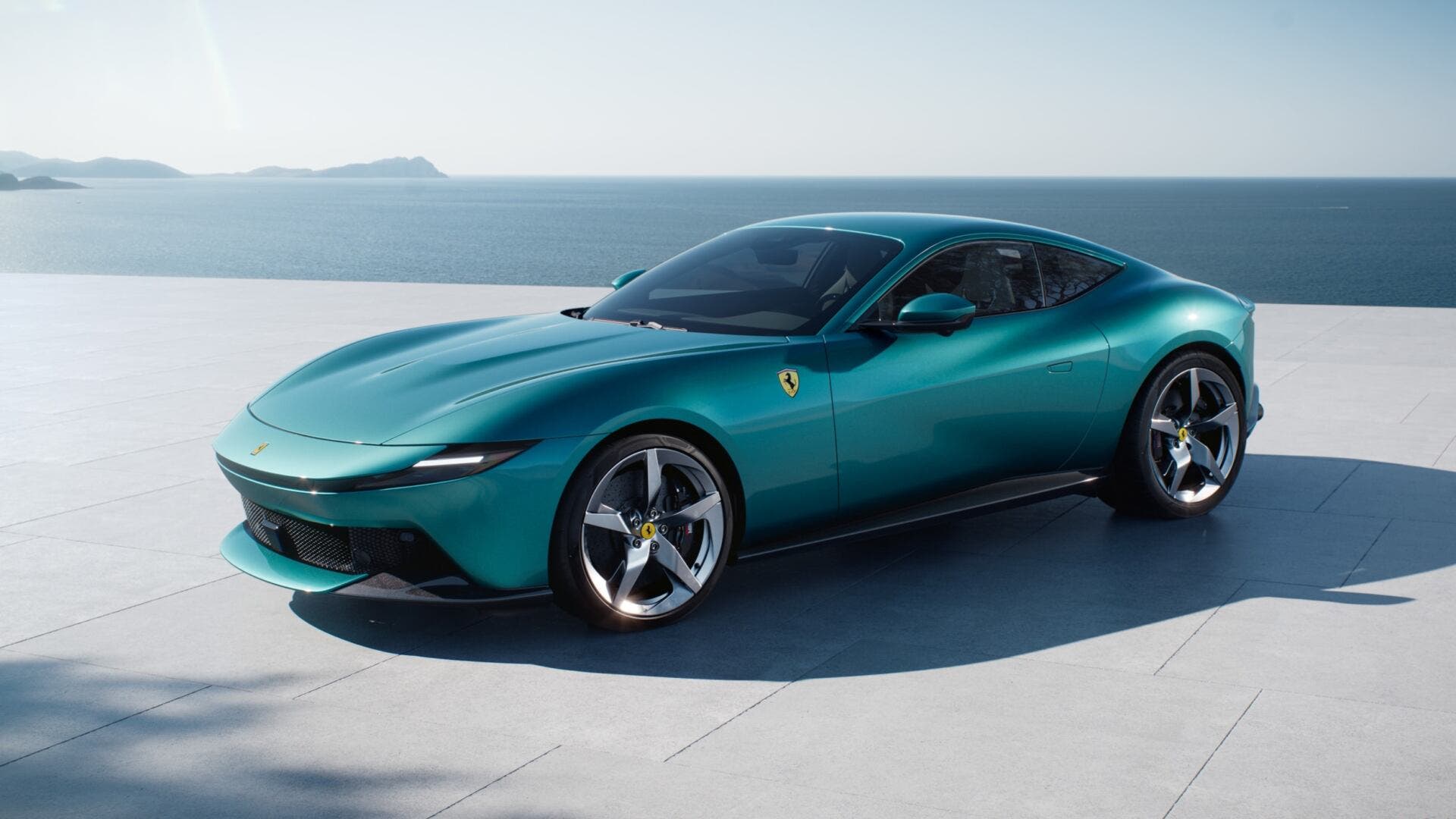
Crucially, the Amalfi fixes the Roma’s most frustrating flaws, namely the slightly awkward front fascia and, more importantly, the touch-sensitive interior controls. Since it is well-known that affluent customers should never be inconvenienced, Ferrari swapped the faux controls for traditional, satisfying buttons and knobs, restoring sanity to the GT’s ergonomics.
Despite these sensible improvements, you can always count on the imaginative digital content creators to believe they know better. Luca Serafini, a virtual car designer, wasted no time dreaming up an unofficial, hypothetical facelift for the Amalfi.
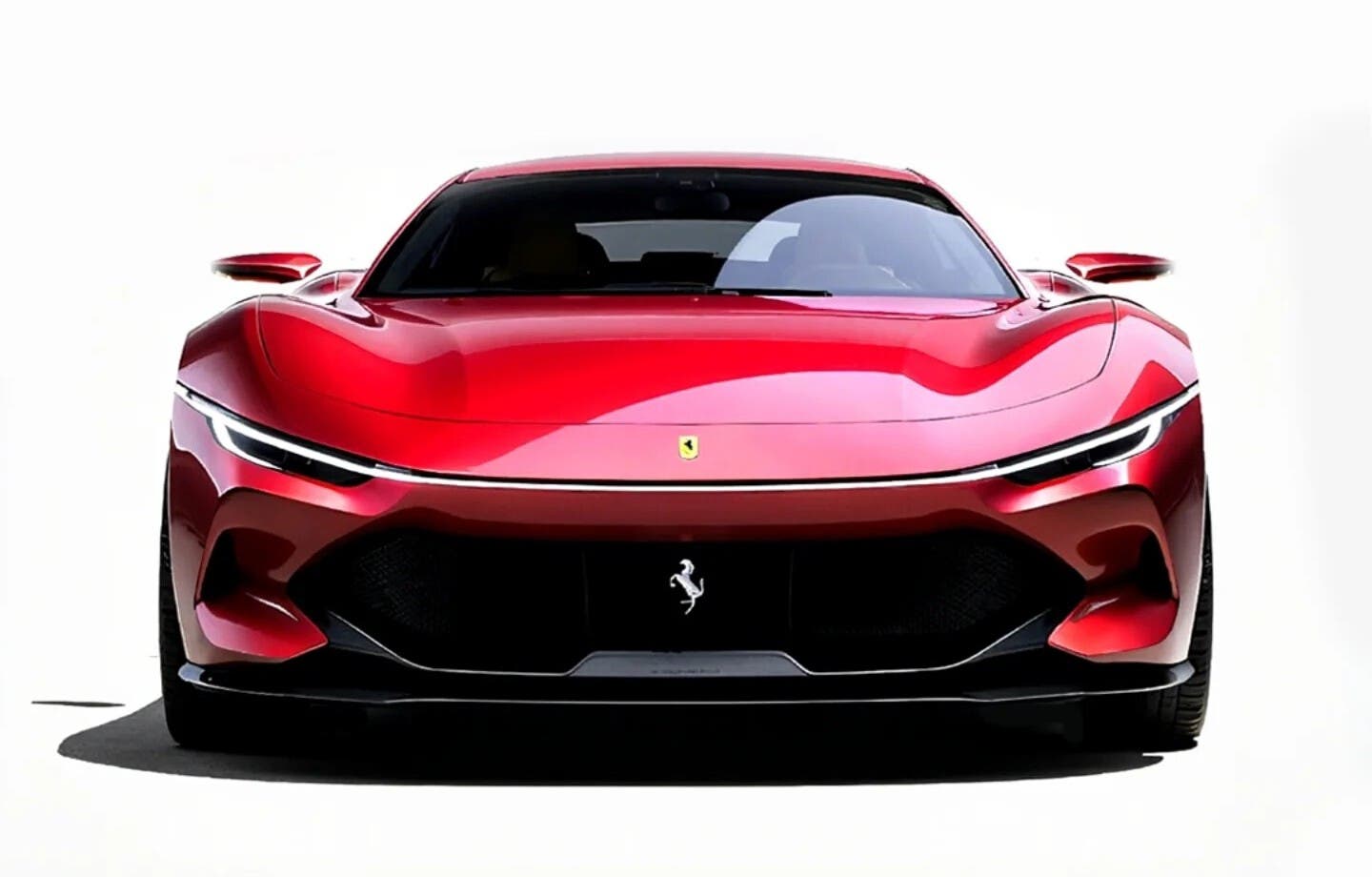
His rendering, naturally in glorious crimson, attempts to subtly improve the proportions by tweaking the front fascia. His design replaces the traditional black visor with a thin LED light bar connecting the slender headlights, redesigns the central grille, and shrinks the flanking side air intakes.