

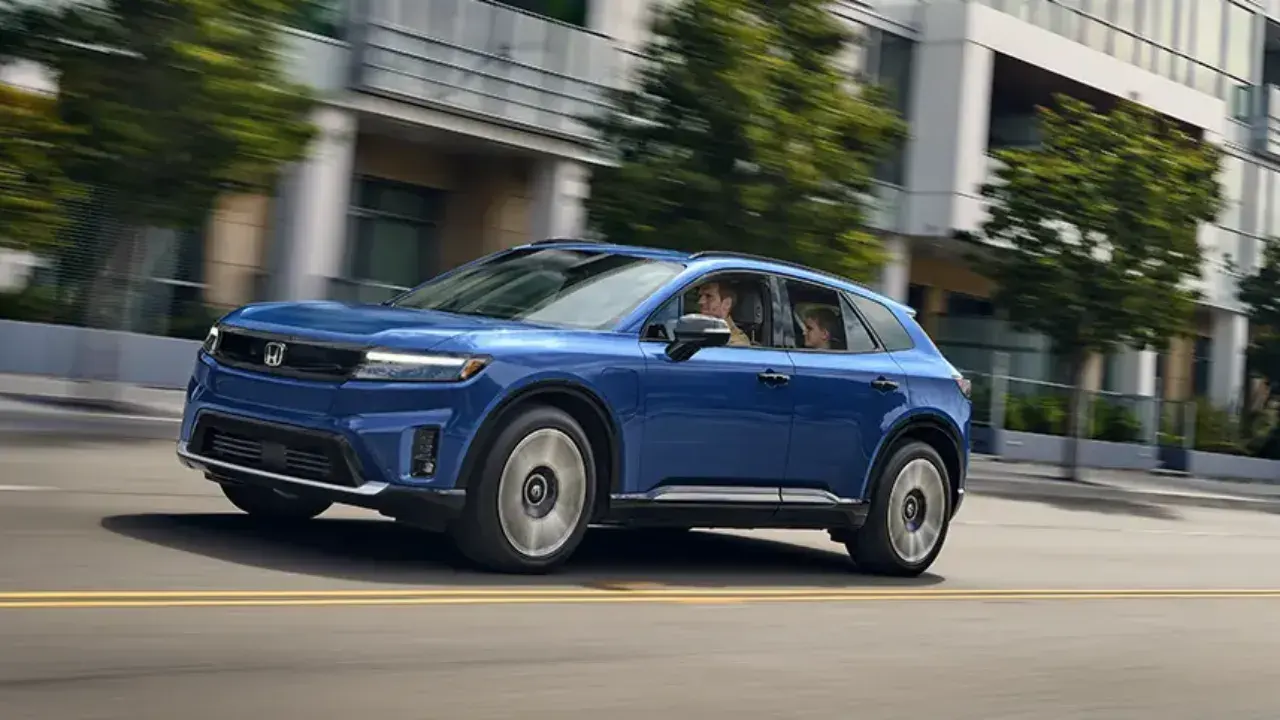
When the federal EV tax credit expired on September 30, the Honda Prologue didn’t just lose an incentive. A model that had genuinely surprised the American market at its 2024 launch, moving units at a pace few expected from Honda’s first serious EV attempt, suddenly found itself in a very awkward position. Same car, same specs, $7,500 more expensive in the only way that actually matters to buyers writing the check.
The numbers tell the story plainly. In Q1 2026, Prologue sales dropped over 65% year-over-year, landing at a rather humbling 1,588 units. That’s a market delivering a very clear message in the only language automakers truly understand.
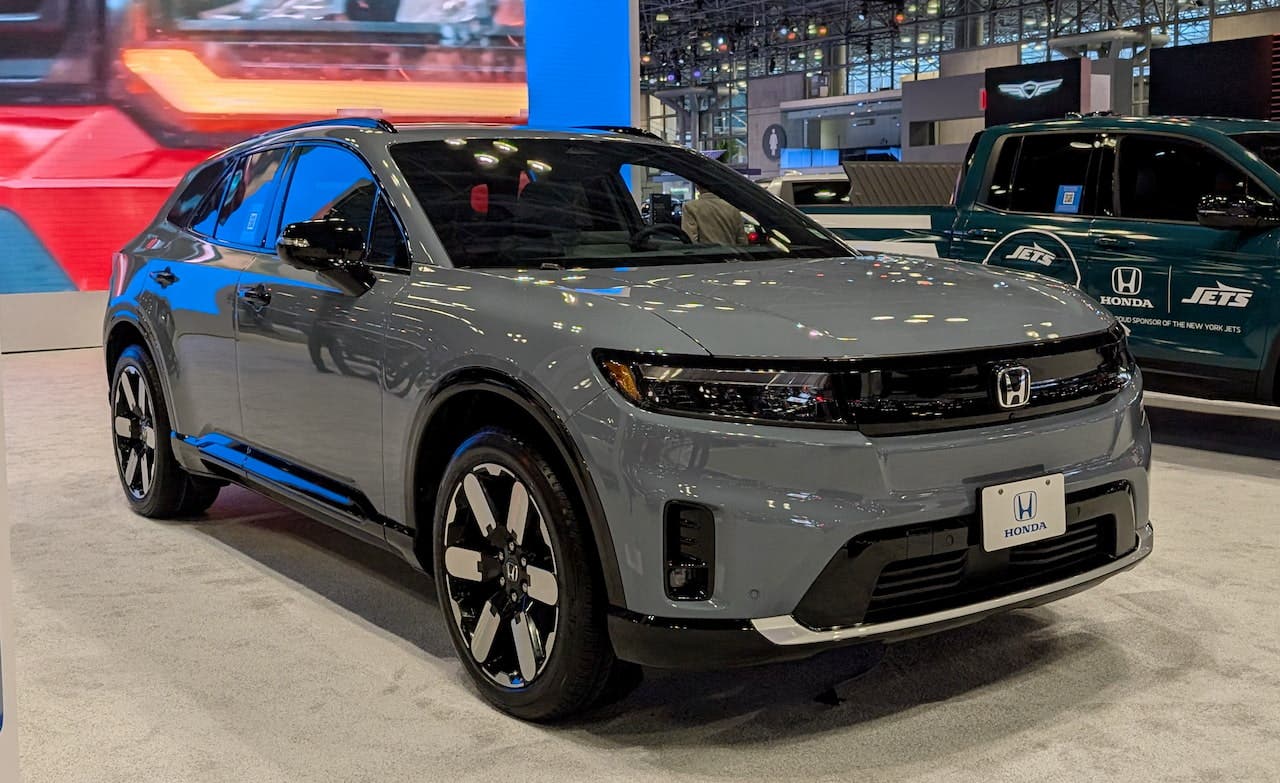
The 2026 Prologue lineup now starts at $39,900, a clean $7,500 reduction applied across every trim, from base to fully loaded. Call it a coincidence if you want, but the math is suspiciously precise. The entry-level EX, which would have set buyers back $47,400 on a 2025 model, now opens the conversation at a price that’s competitive with practically everything in its segment. Single motor, front-wheel drive, 308 miles of EPA-estimated range.
At the top of the range, the Elite trim comes in at $50,400. Yes, the EPA range dips to 283 miles, but you do get leather seats, a panoramic sunroof, a Bose audio system, a power liftgate, and heated and power-folding mirrors to soften the blow.
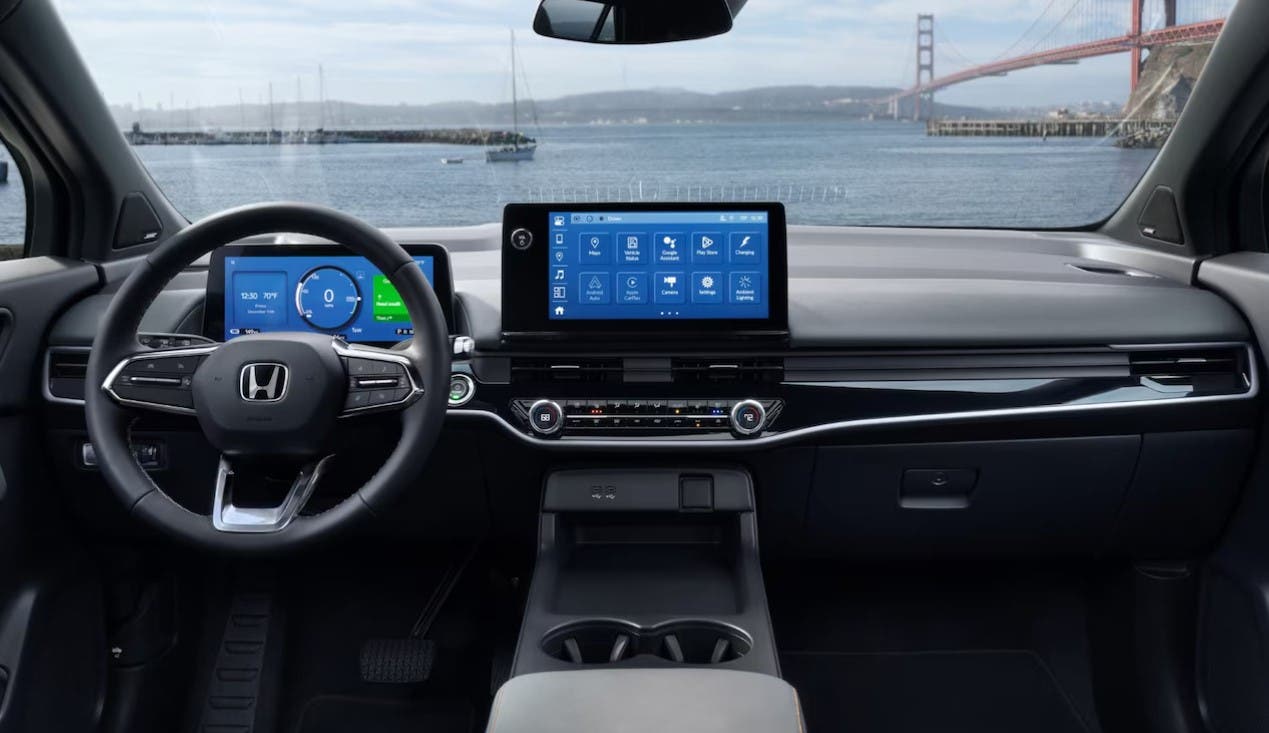
With the price correction in place, the Prologue now lines up directly against the Hyundai Ioniq 5 SEL ($39,800), the Tesla Model Y ($39,900), the Toyota bZ Limited ($43,300), and the Volvo EX30 ($40,345).
Honda’s official line, delivered with the expected diplomatic poise, frames the move as an effort to “align pricing with customer needs, market conditions, and long-term strategic objectives”. What Honda has effectively done is absorb the tax credit’s disappearance directly into the sticker price, a move that keeps the Prologue in the conversation without waiting for Washington to sort itself out. Whether that’s generosity, pragmatism, or just good math is a matter of perspective. The result, however, is an EV that now competes on equal footing in one of the most crowded segments on the market.