

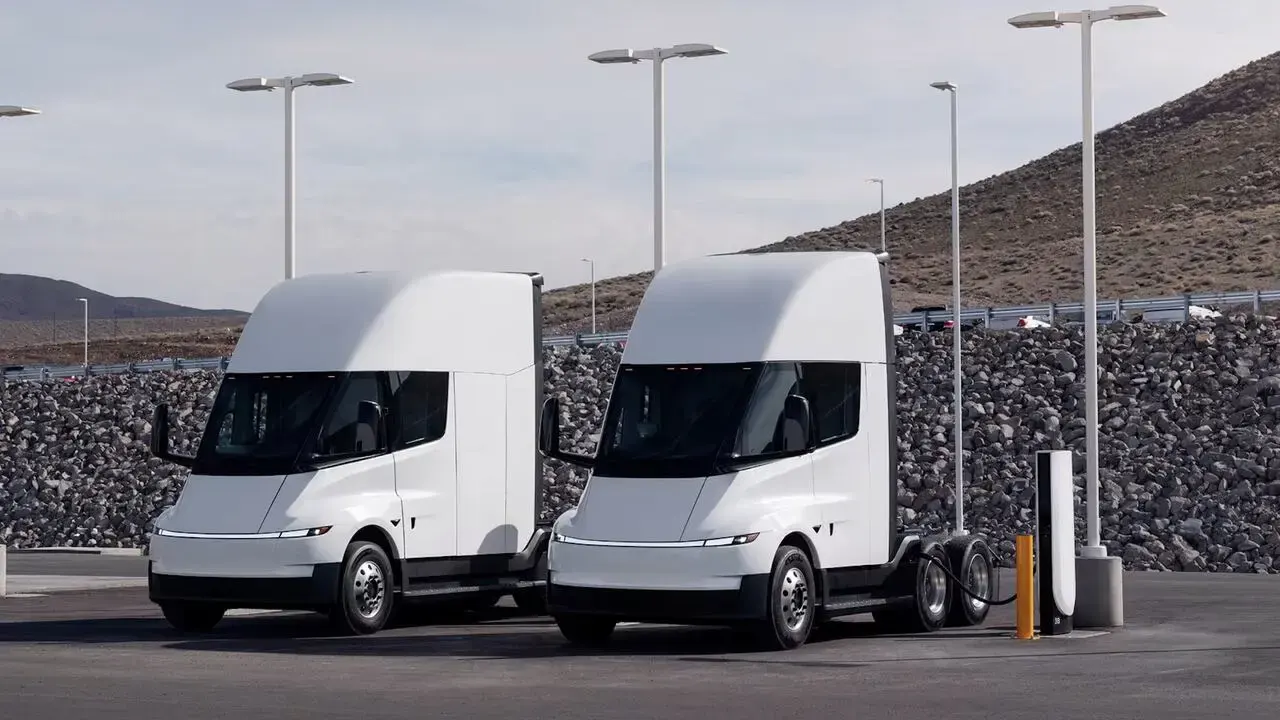
After giving us the “Super” and the “Mega”, Tesla has apparently decided to settle for the “Base”. Meet the Basecharger, the latest piece of hardware designed to juice up the Tesla Semi in depot environments where time is, evidently, a very relative concept.
At a glance, you might mistake it for the sleek Supercharger V4 stalls currently colonizing suburban parking lots, but the internals tell a much different, much slower story. This isn’t a charger for the highway warrior in a rush. It’s a DC fast charger built for the quiet corners of logistics hubs where trucks take long, expensive naps.
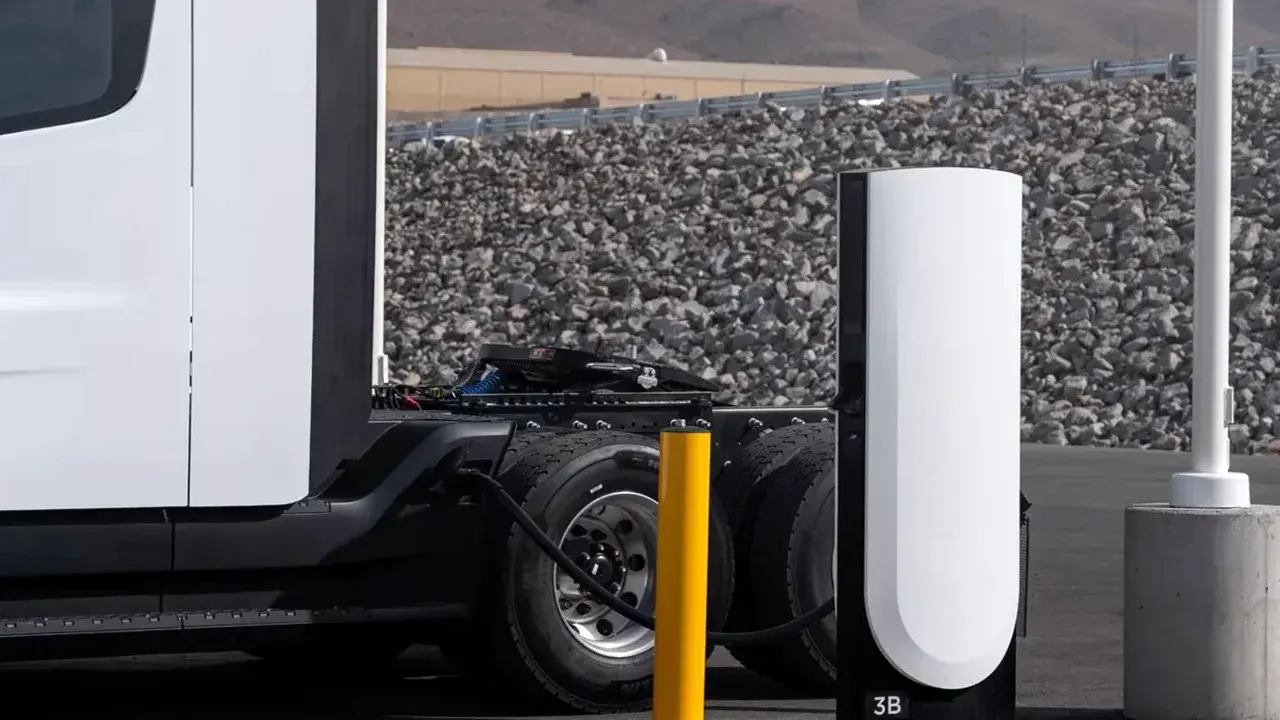
Let’s talk numbers. The Basecharger outputs a modest 125 kilowatts. To put that in perspective, trying to fill a Tesla Semi’s massive battery with this is like trying to fill a backyard swimming pool with a garden hose. It takes roughly four hours to get a Semi to 60%. In an industry where “time is money” isn’t just a cliché but a survival metric, Tesla is betting that fleet managers are perfectly happy having their multi-ton investments sitting idle for half a shift.
Of course, Tesla’s Director of Charging, Max de Zegher, frames this as a masterclass in efficiency. By cramming the tech from a V4 Supercharger cabinet into a single post, they’ve eliminated the need for bulky external power cabinets. You can even daisy-chain three of these units together on a single breaker to save on installation costs.
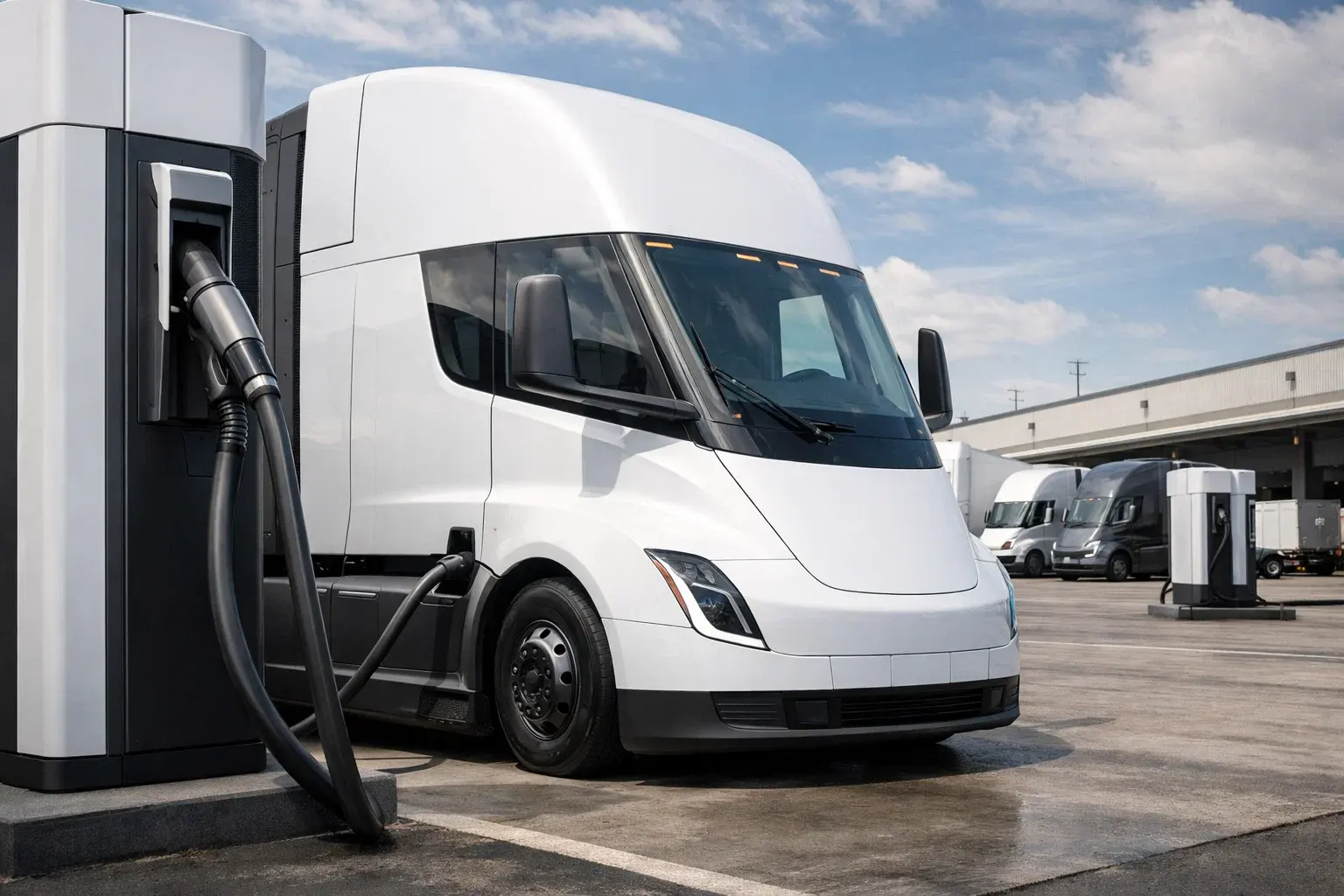
Don’t think for a second that “efficiency” means “cheap”. A single Basecharger starts at $20,000, and Tesla requires a minimum order of two. Toss in the fact that installation isn’t included, and you’re looking at a $40,000 entry fee just to get the party started.
Then there is the classic Tesla “walled garden” move. The Basecharger exclusively uses the MCS (Megawatt Charging System) connector. If your fleet includes trucks with the industry-standard CCS port, they’re out of luck.
With a 20-foot cable and a delivery date set for early 2027, the Basecharger is a sleek, expensive promise for a future where everyone drives a Tesla and nobody is in a particular hurry to get where they’re going.