Detroit is about to get some money back. Not all of it, certainly not today. After a dizzying legal rollercoaster where certain customs tariffs were declared unconstitutional, only for the Supreme Court to perform a classic “never mind” maneuver, the US government is finally opening its wallet, or at least pretending to. The automotive sector is staring at a $20 billion slice of a massive $170 billion national refund pie. For the Big Three, this translates to a combined $2.3 billion windfall. Ford is the undisputed winner of this federal lottery, walking away with $1.3 billion, while General Motors and Stellantis are left to split the remaining billion like siblings fighting over the last cold slice of pizza.
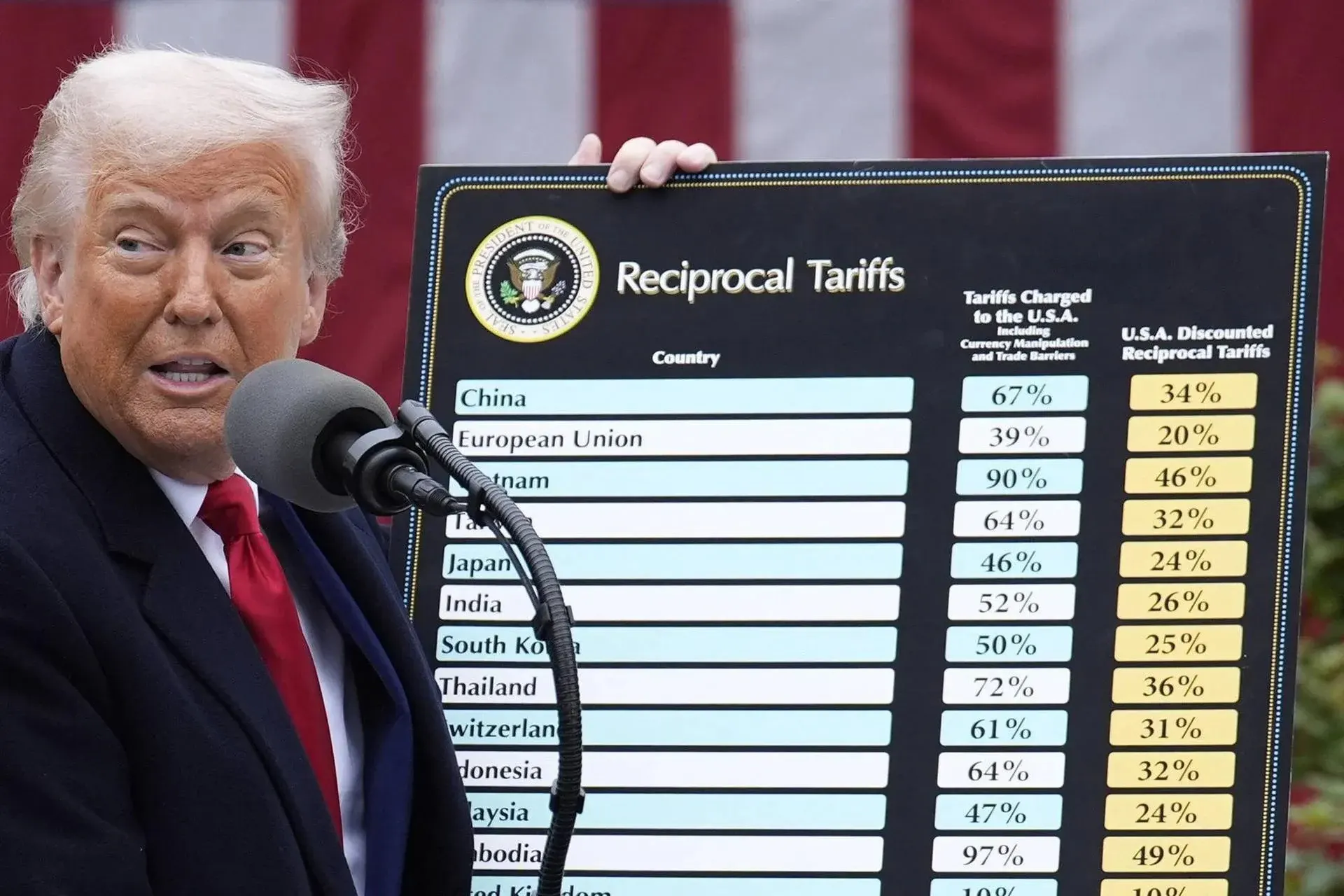
Let’s look at the “clausole” that make this less of a triumph and more of a legal migraine. The government plans to use the CAPE system to manage these payouts, but the political landscape is already casting a shadow. Even Donald Trump has warned that the entire operation could be “subject to litigation for the next two years”.
Ford and GM have already been forced to admit they have no earthly idea when the funds will actually arrive. A level of certainty that is about as comforting as a “Check Engine” light appearing in the middle of a desert highway.
There’s also the small matter of what is actually being refunded. If you thought this was about the tariffs on imported cars or vital components that actually affect the sticker price, think again. This refund is strictly for capital goods, the robots and production equipment used in the factories. It’s a niche consolation prize for a much larger problem.
The reactions from the boardrooms tell the real story. GM is already baking the refund into its profit forecasts with an optimism that feels almost performative. Stellantis, meanwhile, is playing the role of the grumpy realist, refusing to budge on its estimates because the relentless rise in production costs has already vaporized the benefit of the refund before the check has even been printed.
The broader outlook for 2026 remains suffocating. Even with these billions trickling back, the tariff burden continues to bleed the industry dry. GM expects an onere of up to $3.5 billion, Ford is staring down another billion-dollar hole, and Stellantis is bracing for a $1.5 billion hit.