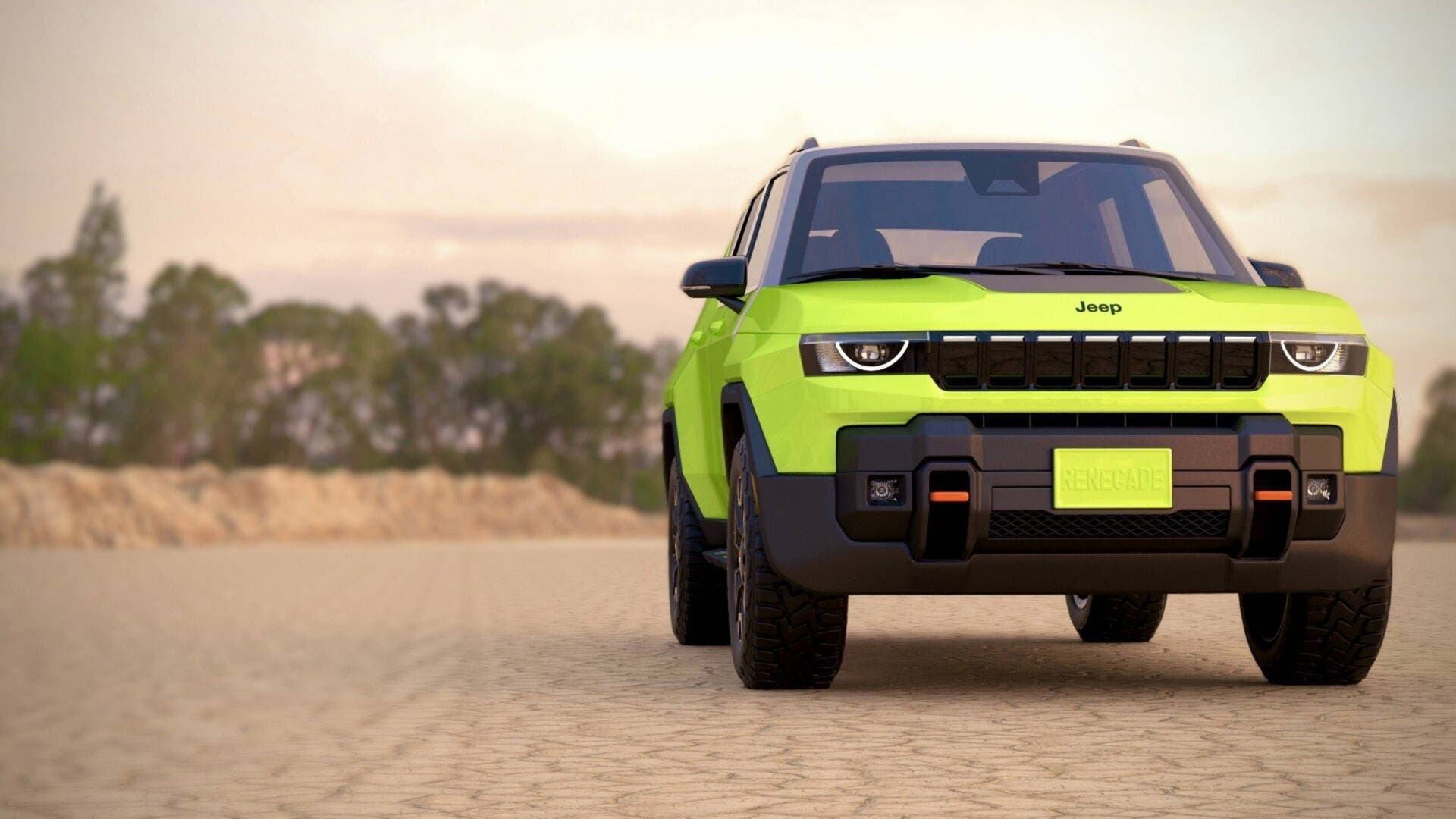
The North American market just witnessed a sudden, shocking divorce. Stellantis has officially decided to part ways with its entire PHEV (Plug-in Hybrid Electric Vehicle) lineup, starting with the 2026 model year. Like firing your star player after a winning season, the company is retiring the Jeep Wrangler 4xe. And it held the title of the best-selling hybrid plug-in in the United States for three consecutive years since its 2021 debut.
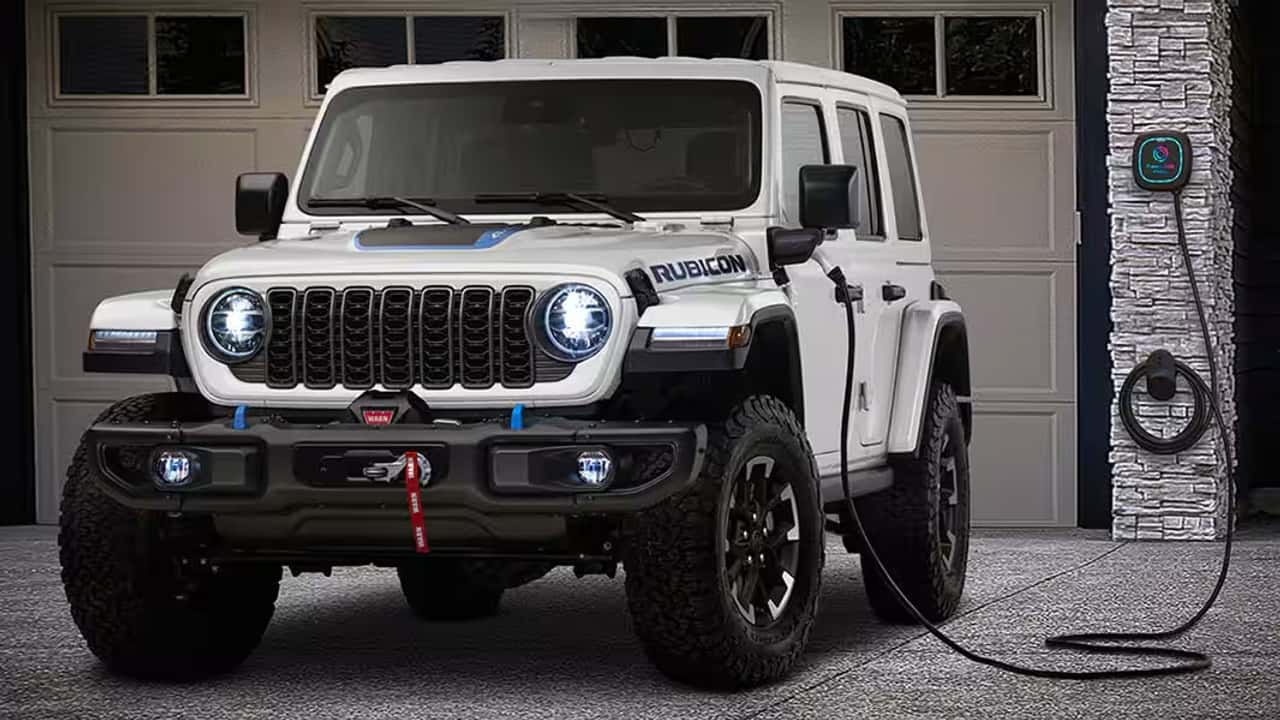
The signs were there. Sharp-eyed fans noticed the Wagoneer, Grand Cherokee, and Wrangler 4xe disappearing from the official Jeep website earlier this week. A company spokesperson later confirmed the “PHEV Purge”, citing shifting customer demand as the reason for pivoting toward more “competitive” electrified solutions, specifically hybrids and EREVs (Extended-Range Electric Vehicles).
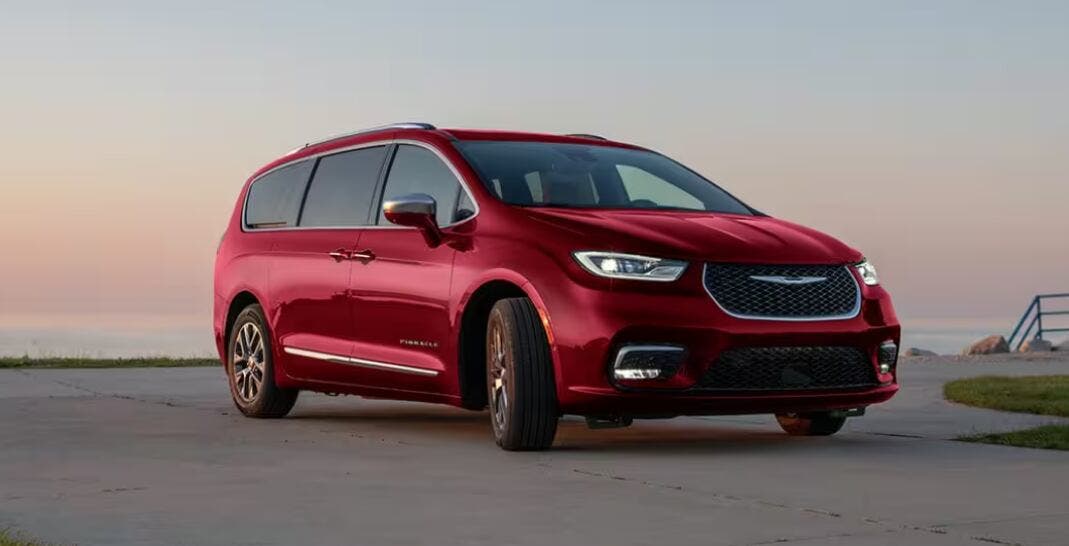
This strategic U-turn means the Chrysler Pacifica PHEV and the Grand Cherokee 4xe are also heading for the corporate graveyard. But the carnage doesn’t stop at hybrids. The future of Stellantis’ fully electric vehicles looks equally murky. While the Wagoneer S is technically available for 2026 via dealer orders, the company’s refusal to “speculate on future plans” sounds ominous. Especially since they only managed to move 10,864 units of the electric luxury SUV last year. Even the Ram 1500 REV, once the great electric hope for the pickup segment, saw its development halted back in September.
Jeep is currently pinning its hopes on the Recon EV, a 650-hp electric off-roader inspired by the Wrangler that starts at a hefty $65,000. However, like Ford, Stellantis seems to be betting the farm on EREV technology for 2027.
This sudden retreat from PHEVs and pure EVs coincides perfectly with the expiration of the $7,500 federal tax credit at the end of September. So, when the government stops handing out “free” money, the “green revolution” suddenly needs a gasoline-powered range extender.