For years, pickup enthusiasts engaged in a heated theological debate. Was the Ford F-150’s move to an all-aluminum body a stroke of lightweight genius or a fragile, overpriced mistake? It turns out the skeptics were right, but for the wrong reasons. It’s not that the body panels can’t take a hit. It’s that nobody in Detroit can afford the raw materials anymore.
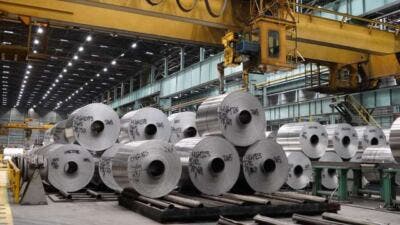
Thanks to a toxic cocktail of Trump-era tariffs and the sudden, chaotic closure of the Strait of Hormuz following military escalations in the Middle East, aluminum prices have skyrocketed by roughly 90% in just a year. S&P Global Energy now pegs the price of a ton at $6,100. Nearly double the $3,220 of last year.
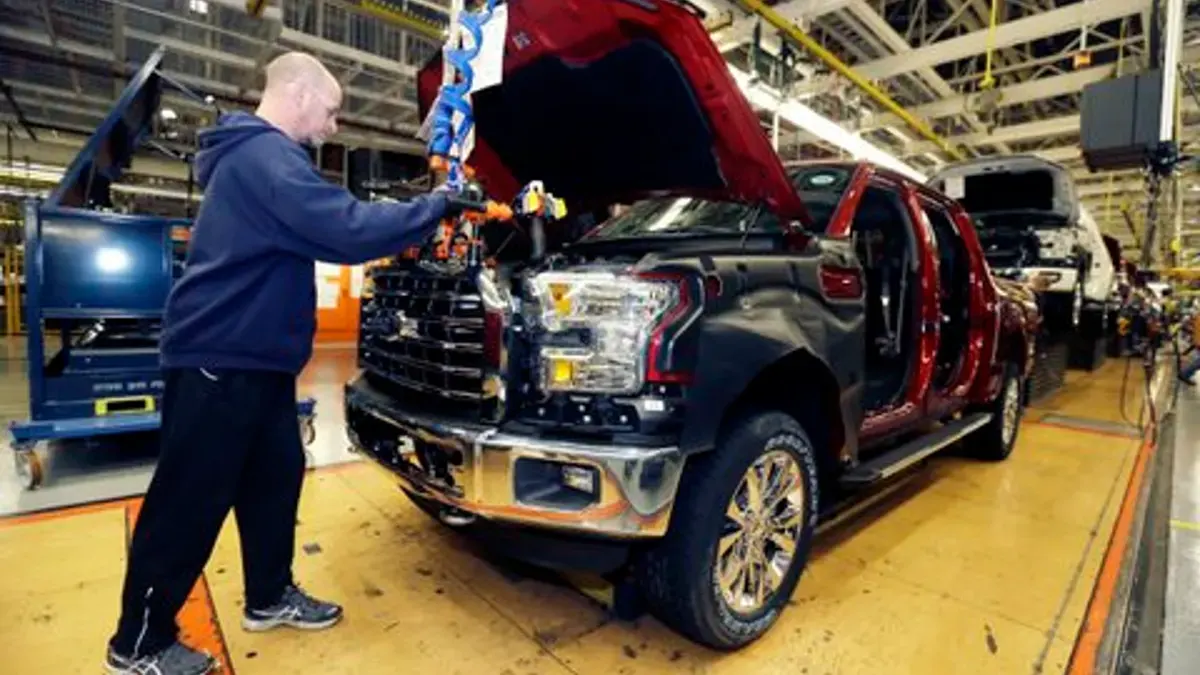
Ford, the poster child for the “aluminum revolution”, is currently staring at a $2 billion bill for raw materials, doubling its 2025 estimates. But they aren’t alone in this fiscal dumpster fire. The “Big Three”, Ford, GM, and Stellantis, admitted in their Q1 2026 reports that they are looking at a combined $5 billion increase in material costs.
The Strait of Hormuz, which handles a fifth of the world’s aluminum exports, remains a maritime ghost town. While the US claims partial control, the ongoing regional conflict ensures that shipping lanes stay closed and prices stay in the stratosphere.
Rather than absorbing the cost of their supply-chain hubris, automakers are passing the bill, anywhere from $500 to $1,500 per vehicle, straight to the consumer. This is happening while Americans are already being squeezed by gas prices that jumped a dollar per gallon in mere weeks. To “offset” these costs, manufacturers are doubling down on the “software-defined vehicle” grift: stripping away physical buttons and knobs under the guise of “modernity” while actually just saving a few bucks on plastic and wiring.
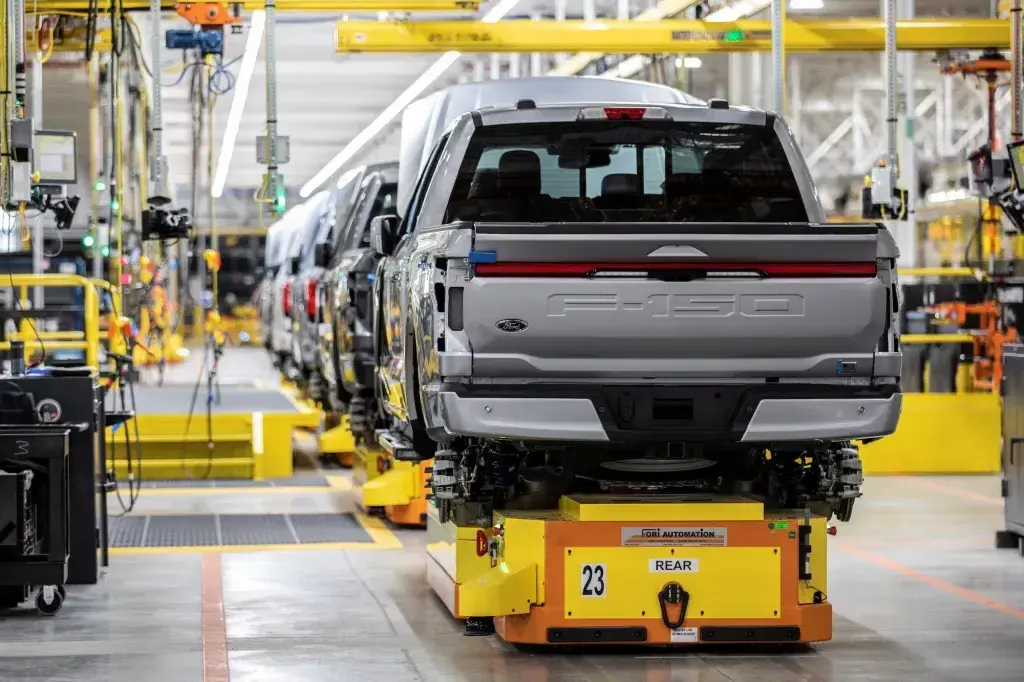
The industry loves to stack excuses (tariffs, wars, “unforeseen” shortages) yet they continue to post record profits while the average family is priced out of the new car market entirely. They’ll keep selling you a “tech-forward” interior with no buttons and a mandatory subscription for your heated seats, but with aluminum becoming the new gold, the only thing truly being “lightened” is the customer’s wallet.