

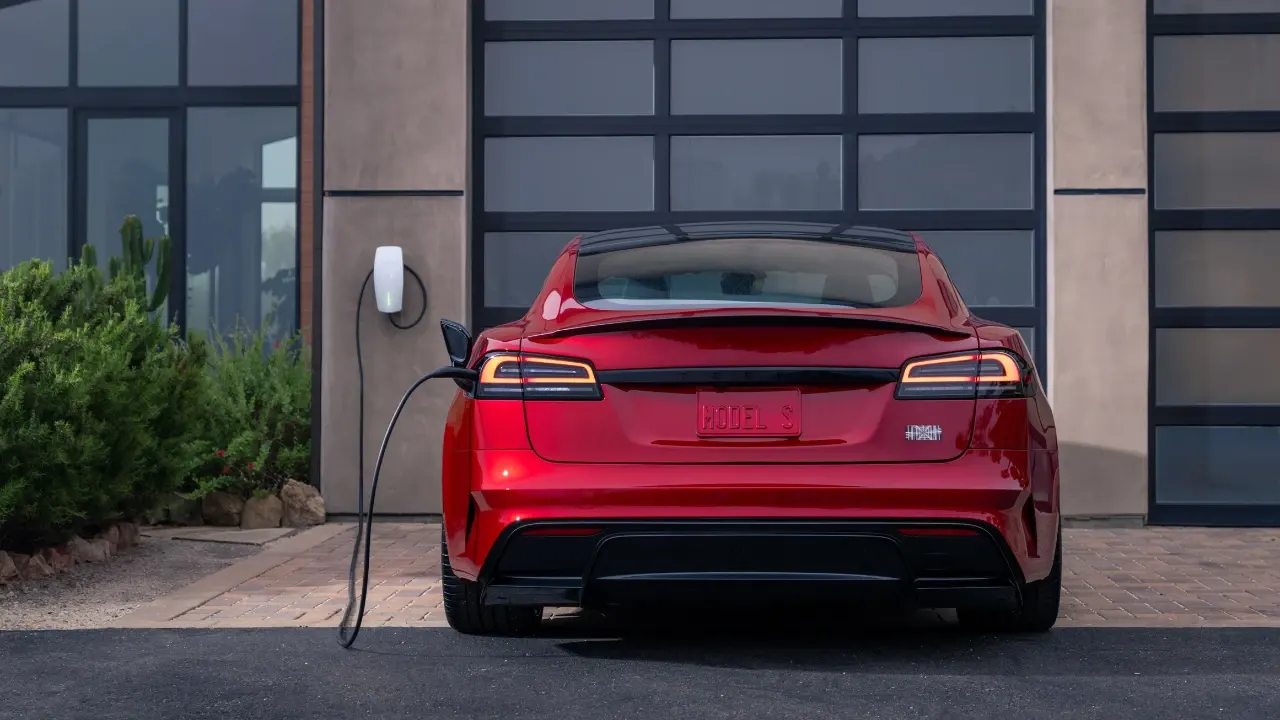
It’s possible to see six-figure investments vanish into thin air. It’s the story of Alex from EV Auto. As a used EV dealer based in Utah, Alex is no stranger to the volatile market of electric cars, but even he was left reeling by the financial nosedive of his personal Tesla Model S Plaid. Purchased for a staggering $151,000, the car was a “white-on-white” masterpiece, loaded with every possible upgrade and the prestige of being one of the first Plaid models in the state.
Fast forward less than five years, and the “honeymoon phase” has been replaced by a hard financial hangover. Alex recently took to Facebook Reels to issue a “scathing verdict” on the vehicle’s current resale value. Despite its high-tech pedigree and incredible performance, the car is now worth somewhere between $50,000 and $45,000. For those keeping score at home, that is a depreciation of over $100,000 in under five years.
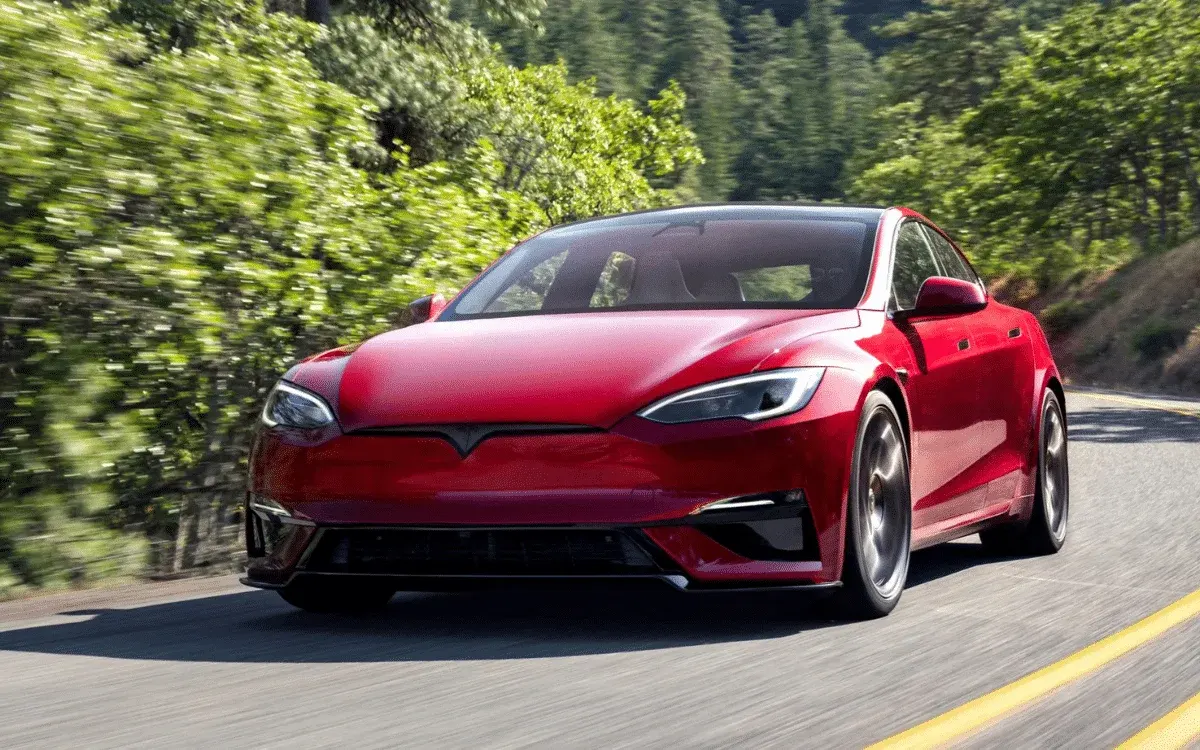
To put that into perspective, owning this Tesla has cost Alex roughly $25,000 a year, or about $2,000 a month, just in lost value. That’s a mortgage payment on a very nice house, or a very expensive way to reach 60 mph in two seconds. Alex’s conclusion is blunt: this is the highest-depreciating vehicle he has ever owned.
However, rather than selling and licking his wounds, the used EV dealer has decided on a strategy born of pure necessity. He’s going to drive the Tesla until the wheels literally fall off. At this point, it’s the only way to squeeze any remaining value out of the investment. For shoppers entering the market in 2026, his advice is biased but mathematically sound: buy a used EV.
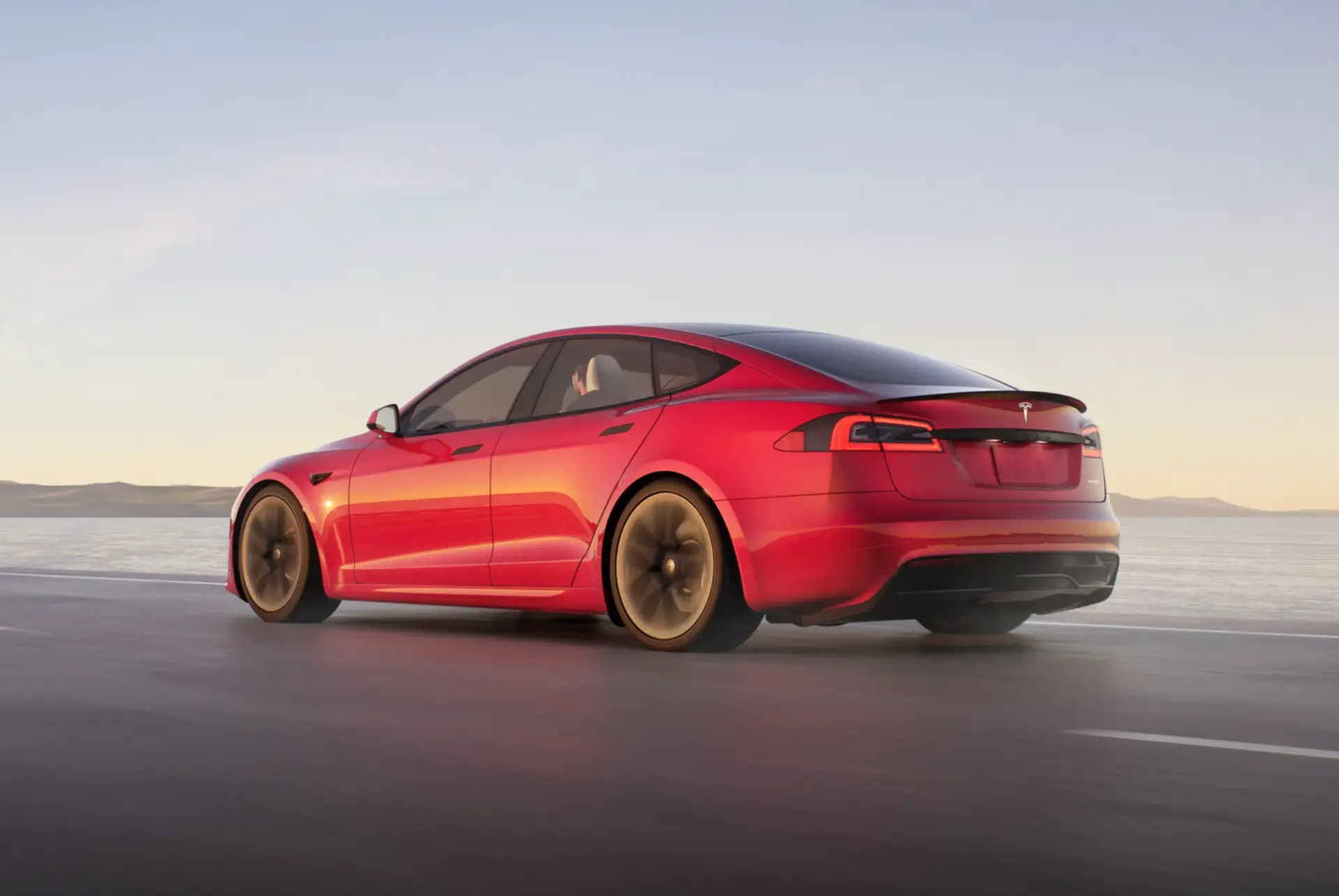
If these luxury machines lose a fortune in the first two to five years, let someone else eat the initial $100,000 loss. While electric cars remain a solid choice for the future, Alex’s experience proves that being an “early adopter” is often just a fancy term for being the person who pays for everyone else’s discount later.