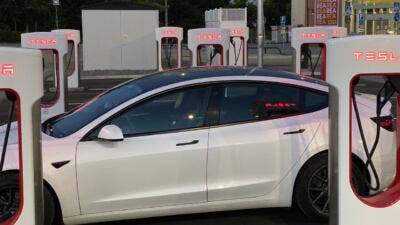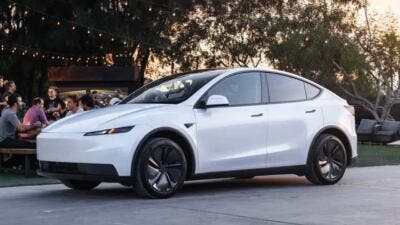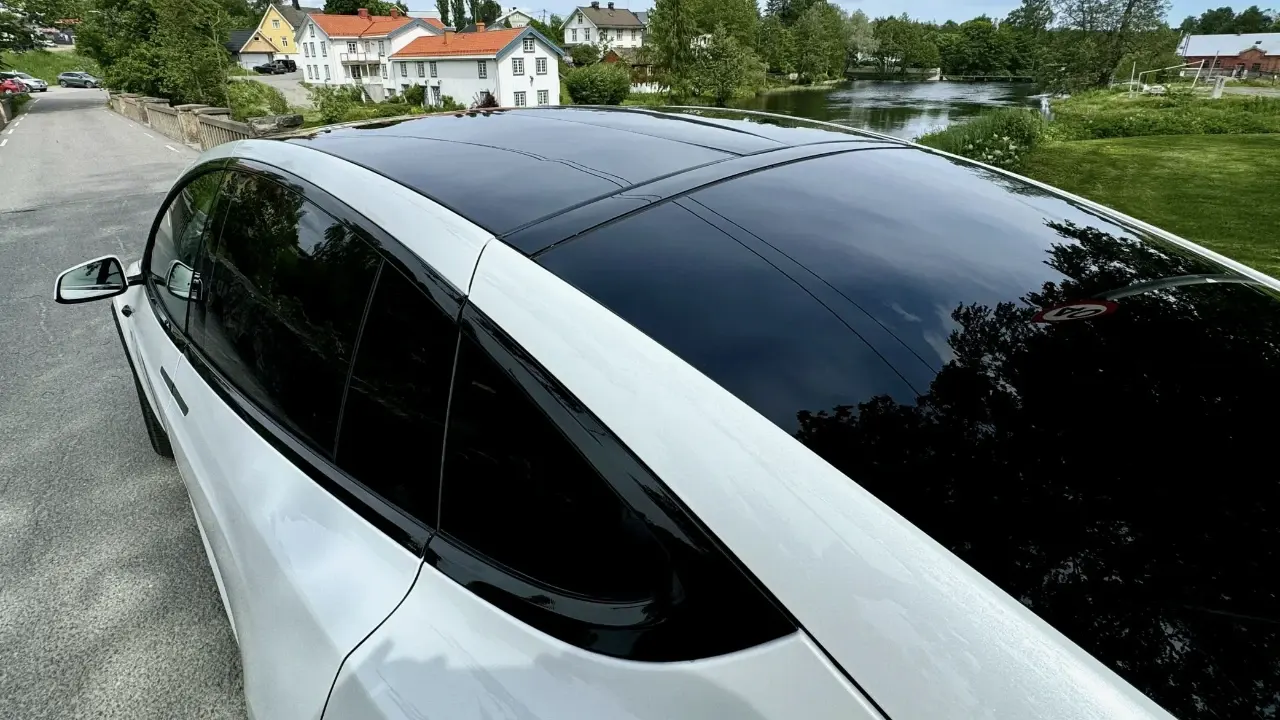
Tesla is already considered one of the most technologically advanced EV brands on the planet, but to stay ahead of a cutthroat and ever-growing competition, Elon Musk is looking for help from places literally off the planet. Specifically, the brand is leveraging Starlink, the orbiting satellite system, to propel its vehicles into a high-speed, 5G-enabled future.
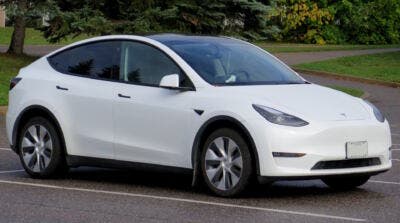
While Tesla previously gained fame for its solar-powered roofs and panoramic glass, a newly revealed patent suggests the company is trading glass for a very specialized type of “plastic”. In recent weeks, Tesla has been cutting costs on glass sunroofs for standard models to lower sale prices, but this new patent reveals a much more ambitious reason for the switch. The company is developing a sophisticated roof made from a polymer blend. It’s a mix of polycarbonate and other synthetic materials like acrylonitrile butadiene styrene.
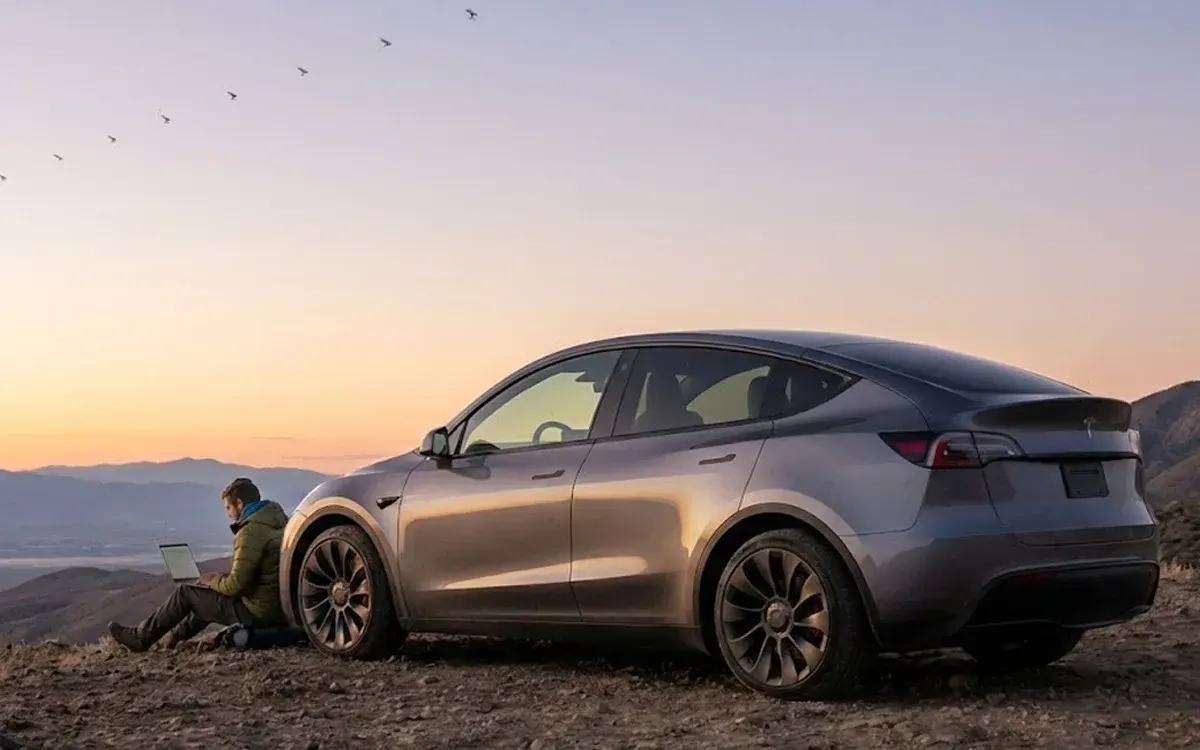
Why the move away from elegant glass? Because this high-tech synthetic material is designed specifically to allow for “radio frequency transmission”, enabling the car to establish a secure WiFi connection with Starlink satellites.
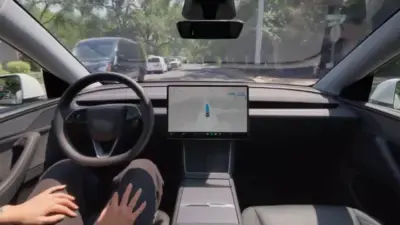
This isn’t just a coincidence. It’s a marriage of Musk’s two biggest empires. While Starlink has already made waves by providing in-flight WiFi for giants like Emirates, bringing it to the automotive sector is a game-changer. By equipping EVs with roof-mounted modules that talk directly to space, Tesla ensures its cars will finally avoid those infuriating GPS dead zones. With over 10,000 satellites creating total global coverage, this represents a massive victory for the development of autonomous vehicles that require constant, uninterrupted data.
There is no official word yet on when we’ll see these Starlink-compatible roofs on the production line. However, given the immense pressure on Tesla to upgrade its tech offerings and justify its premium status, this patent is likely the catalyst for an intense new development cycle. Soon, your car won’t just be a vehicle, but a satellite-linked terminal.