

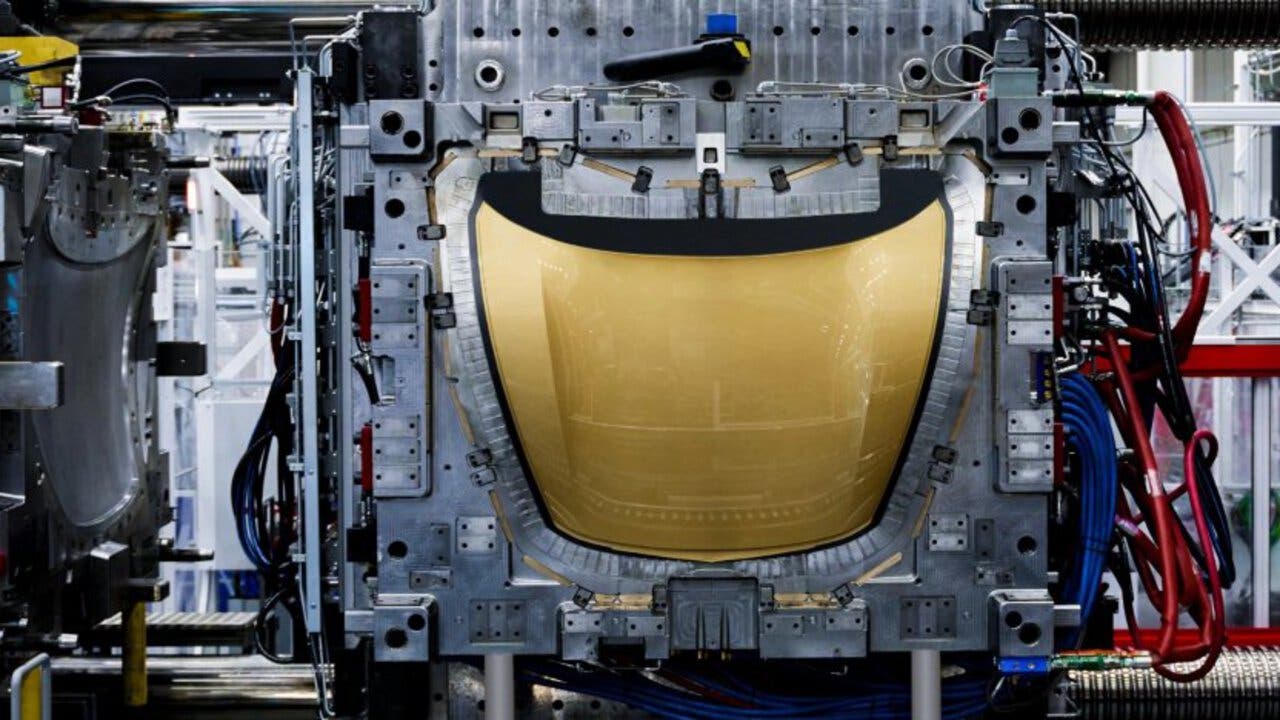
While Tesla loves dazzling the public with slick keynotes, the actual blueprint for its driverless future was just uncovered in a routine Texas Department of Licensing and Regulation permit. First spotted by an eagle-eyed Tesla enthusiast named Spencer on X, project number TABS2025022006 officially pulls back the curtain on Tesla’s upcoming Austin Robotaxi hub. Located at 5900 E Ben White Blvd, the filing outlines an infrastructure package featuring Supercharger cabinets, an Equipment Inspection System, and a “Cleaning Robot”.
If that sounds familiar, it’s because Tesla originally teased this mechanical janitor back on January 31, 2025, with a short video cheekily captioned, “This robot sucks”. The clip featured a massive robotic arm inside a Cybercab cabin, aggressively swapping out attachments to vacuum debris, pick up garbage, and wipe down surfaces. Now, that very same machine is moving from social media hype to a physical construction site.
The industrial logic here isn’t about corporate hygiene, it’s about ruthless mathematical efficiency. For a driverless fleet to actually print money across Texas, vehicle downtime is the ultimate enemy. Every single minute a Cybercab spends idling at a curb waiting for a human cleaning crew to wipe away passenger grime is a minute it isn’t generating ride-hail revenue. By implementing an automated arm capable of scrubbing a cabin in under two minutes, Tesla claims to solve a fleet utilization bottleneck that has plagued the autonomous vehicle sector for years.
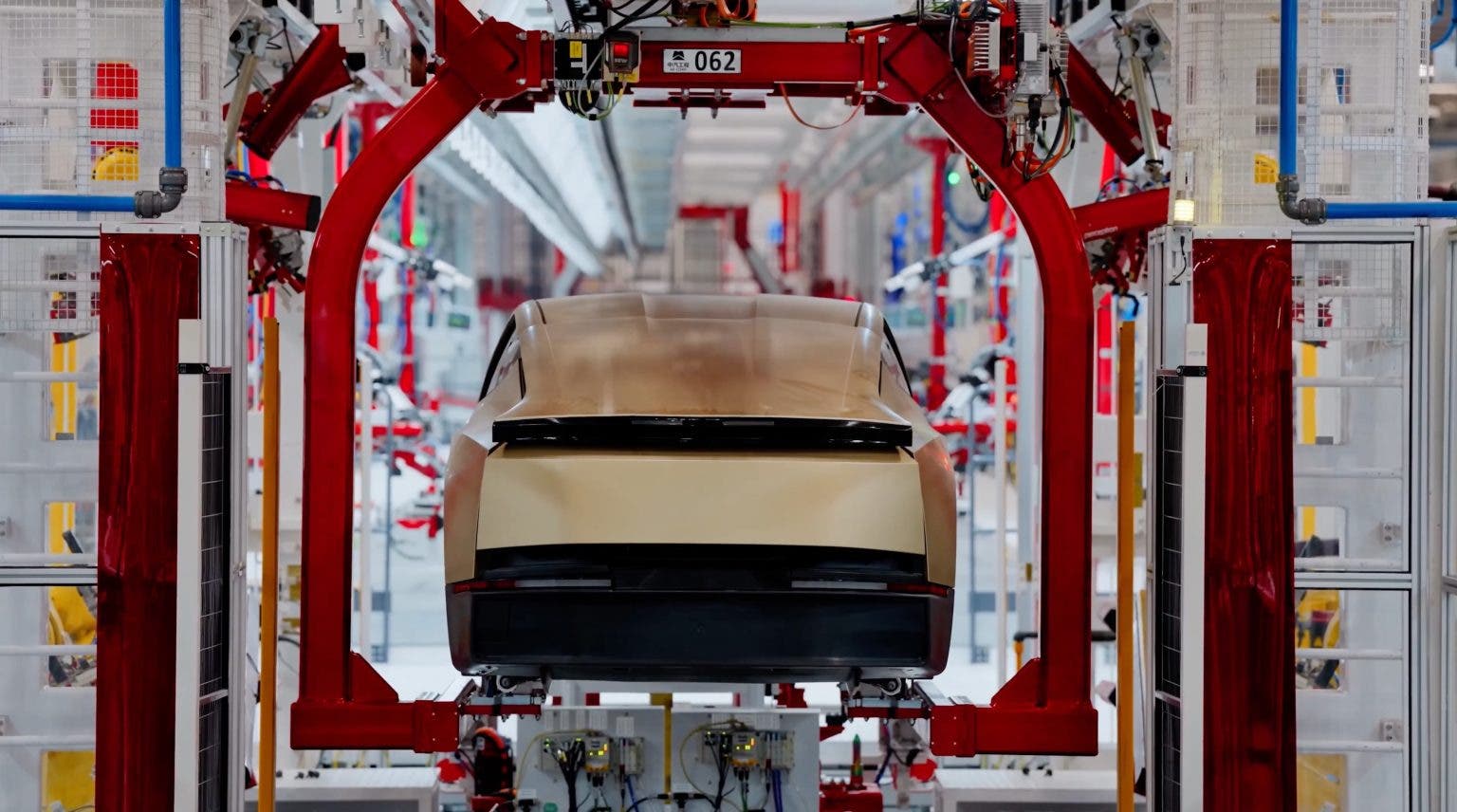
The physical setup reveals a closed-loop ecosystem located roughly 12 miles southwest of Gigafactory Texas, where the Cybercab is actively being mass-produced. This Ben White facility is shaping up to be the ultimate autonomous pit stop. By mid-March 2026, Cybercab sightings had already become a daily reality across public roads in Austin and Silicon Valley.
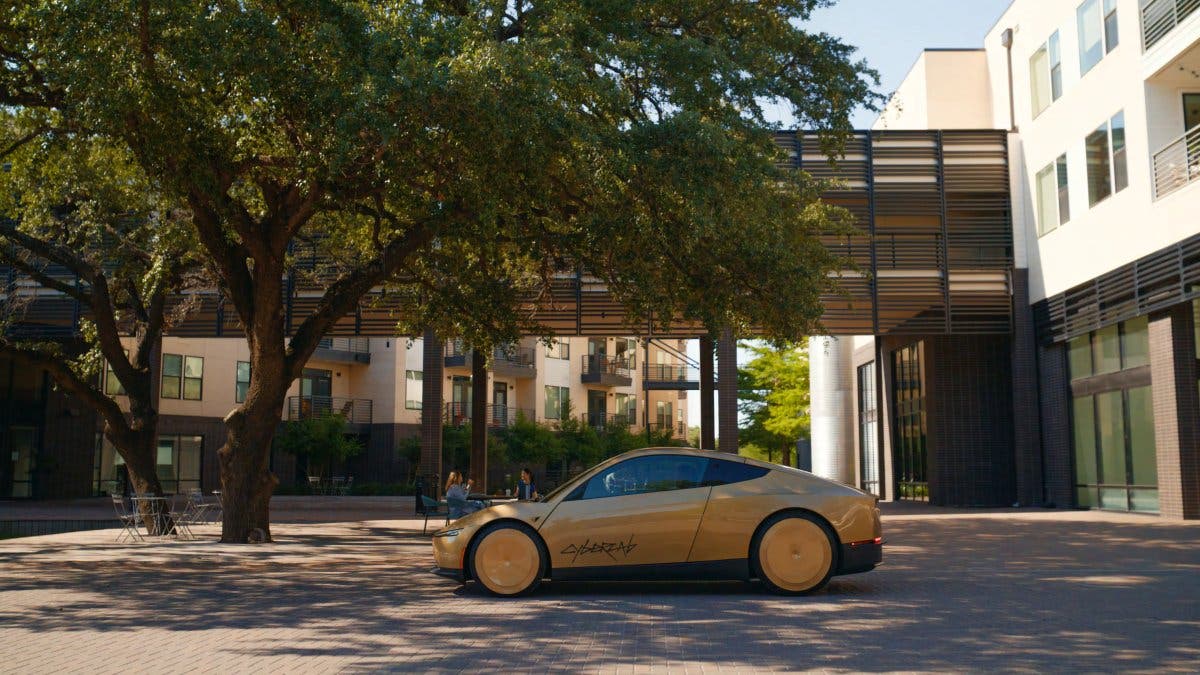
With operations expanding to the entire Austin metro area, pushing into Dallas, and launching factory shuttle runs, the physical infrastructure demands are soaring. The future is a perfectly optimized symphony of efficiency: a Cybercab drops off a passenger, autonomously routes itself back to the hub, gets vacuumed by a giant robot, plugs into a Supercharger, clears an automated inspection, and heads right back out to pick up another fare. All without a single human finger lifting a mop.