

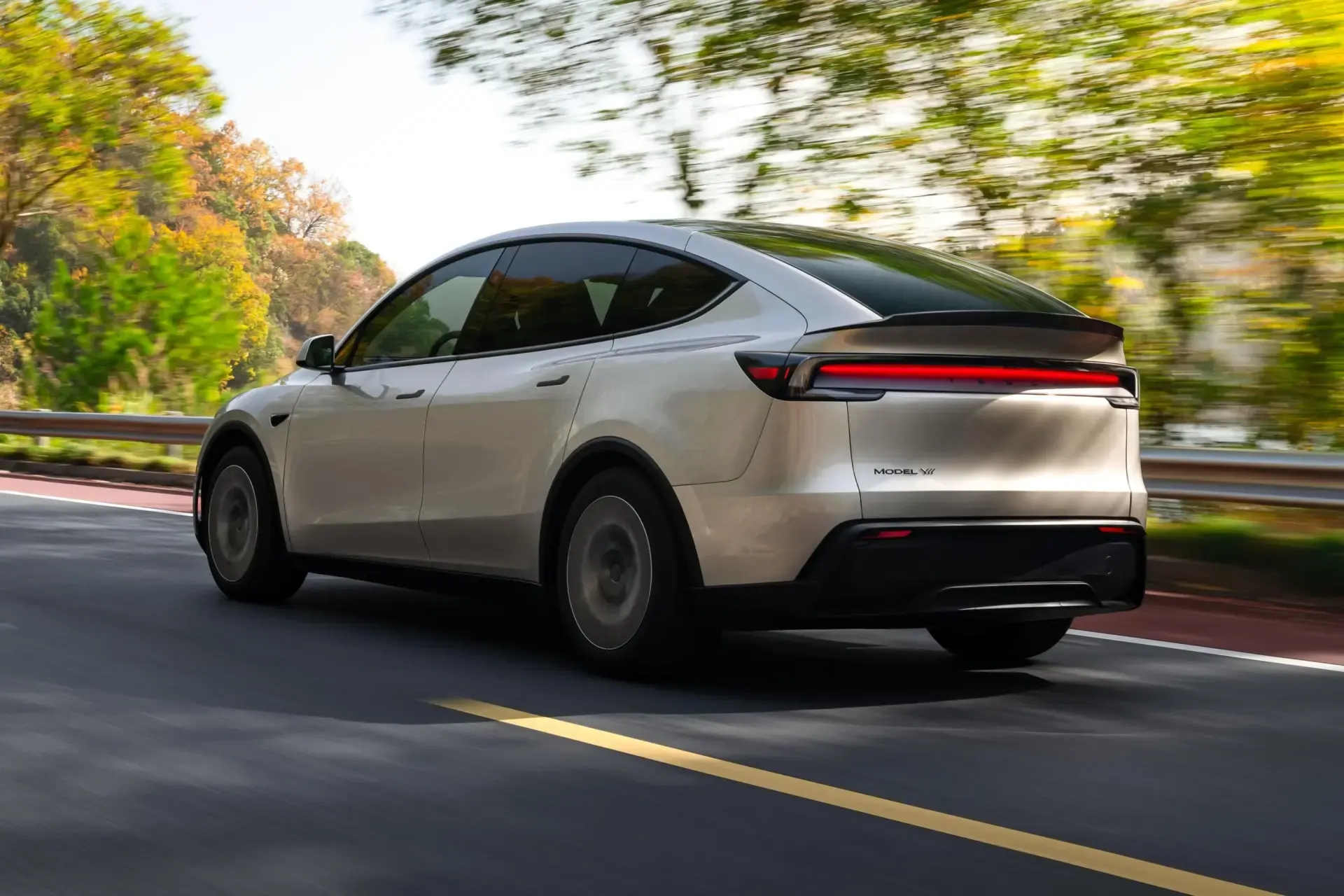
The European Tesla Model Y equipped with Tesla’s new in-house “8L” battery pack using 4680 cells offers around 74 kWh of usable capacity, three less than the 77 kWh LG-cell pack it replaces. That difference affects the stated WLTP range, which drops from 661 km to 609 km (410 to 378 miles), and also fast-charging times, with the 10% to 80% session reportedly taking more than 35 minutes. That figure does not look especially competitive, even compared with some cheaper LFP batteries of similar capacity.
Tesla’s 4680 battery problem is getting harder to ignore
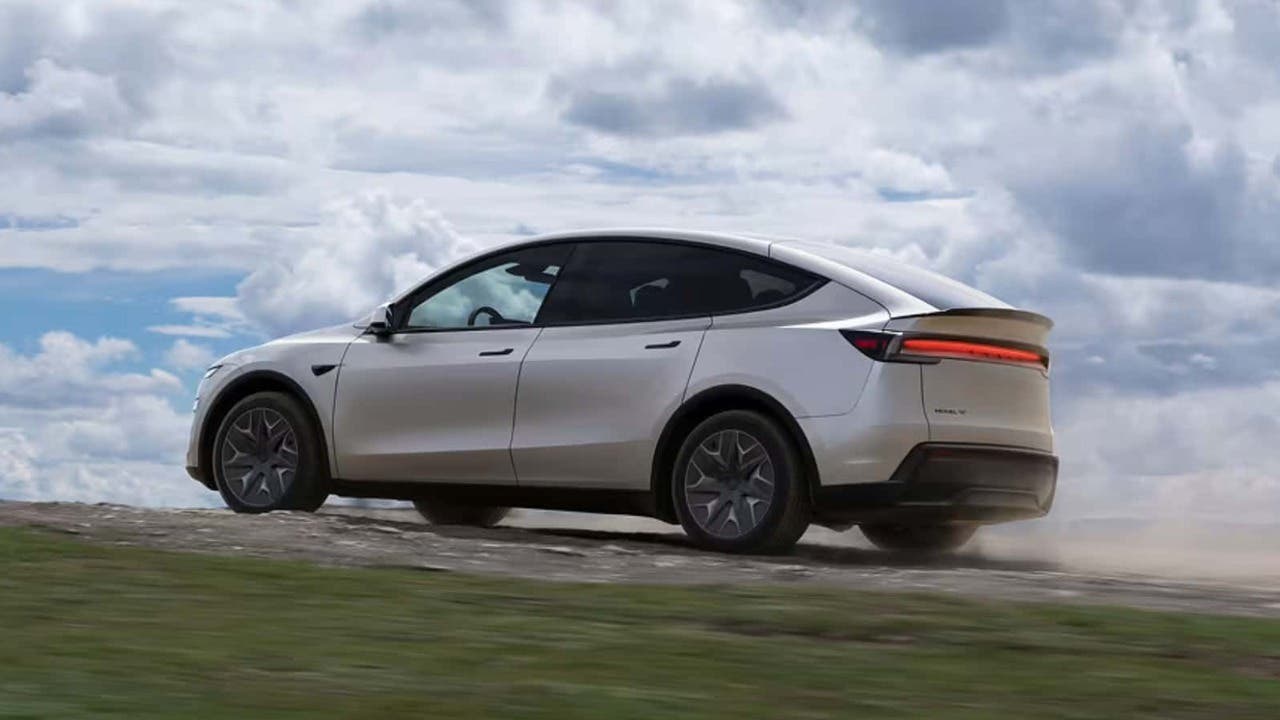
The technical data has had direct commercial consequences. In some European markets, especially Norway and France, several customers reportedly canceled their orders after discovering that their Model Y would arrive with the new battery pack, which they perceived as a downgrade from the previous configuration at the same price.
Tesla presented an ambitious vertical integration plan in 2020, aiming to produce batteries internally to reduce dependence on suppliers and cut costs. At the end of 2024, the company said the 4680 cell had become the lowest-cost per kWh cell used in its vehicles, beating supplies from Panasonic and LG. From that standpoint, the project appears to have achieved its intended results.
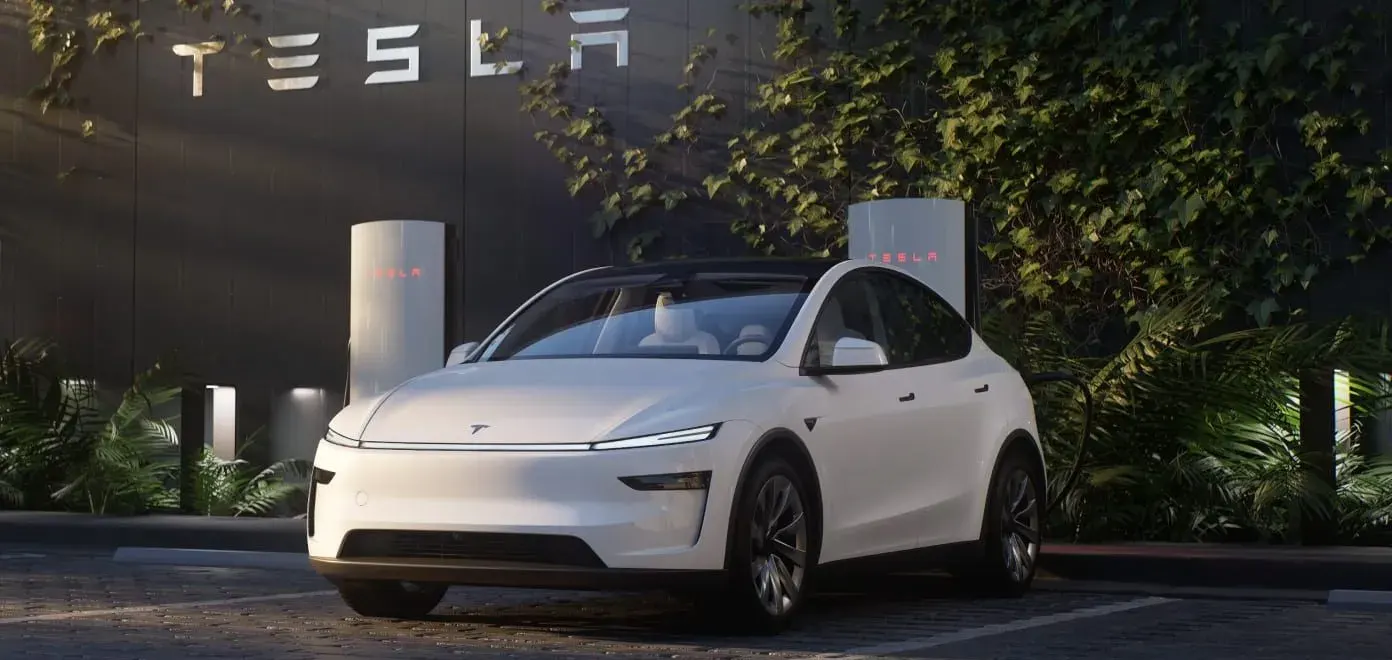
The problem emerges when industrial savings do not translate into an advantage for the customer and instead remain inside the company’s margins. If buyers pay the same price and receive a car with less range and no improvement in charging times, the benefit of the cheaper cell becomes invisible, or even negative, from their perspective, especially when the change does not receive clear communication.
The case of the 4680 battery in the European Model Y highlights the tension between Tesla’s production strategy, focused on cost control and progressive supply-chain internalization, and the expectations of a market that judges batteries mainly by range and charging speed. The next updates to the cell, expected to bring higher energy density and an evolved chemistry, will prove decisive in understanding whether the 4680 can close the performance gap with external suppliers’ solutions or whether it will remain a choice that mainly benefits Tesla’s balance sheet.