

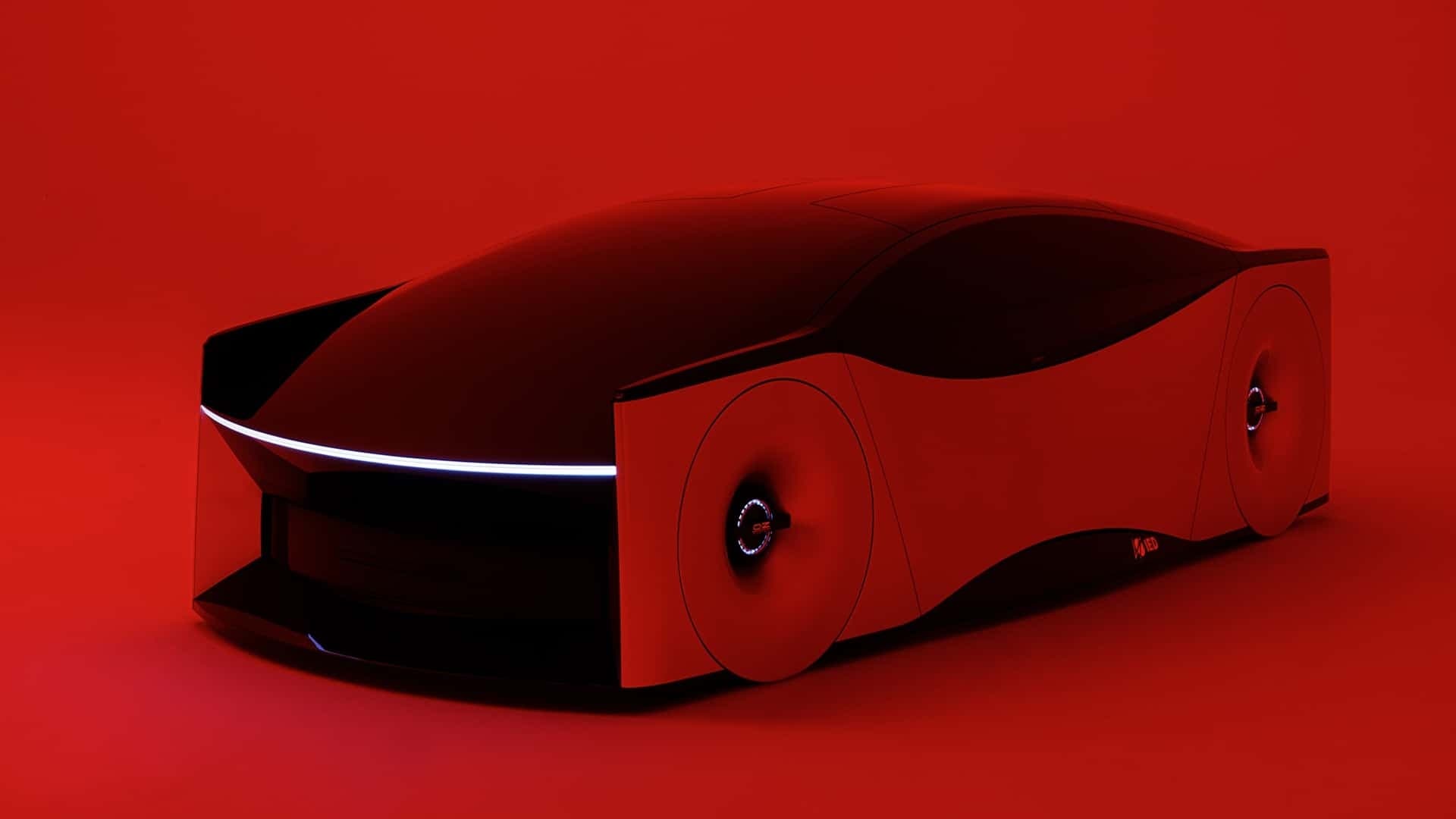
TIME is a concept developed by a group of students in the Transportation Design master’s program at IED Turin in collaboration with Tesla. The project explores how a vehicle cabin might change if autonomous driving truly freed the driver from every task related to controlling the vehicle.
Tesla and IED Turin students imagine a new kind of autonomous car interior
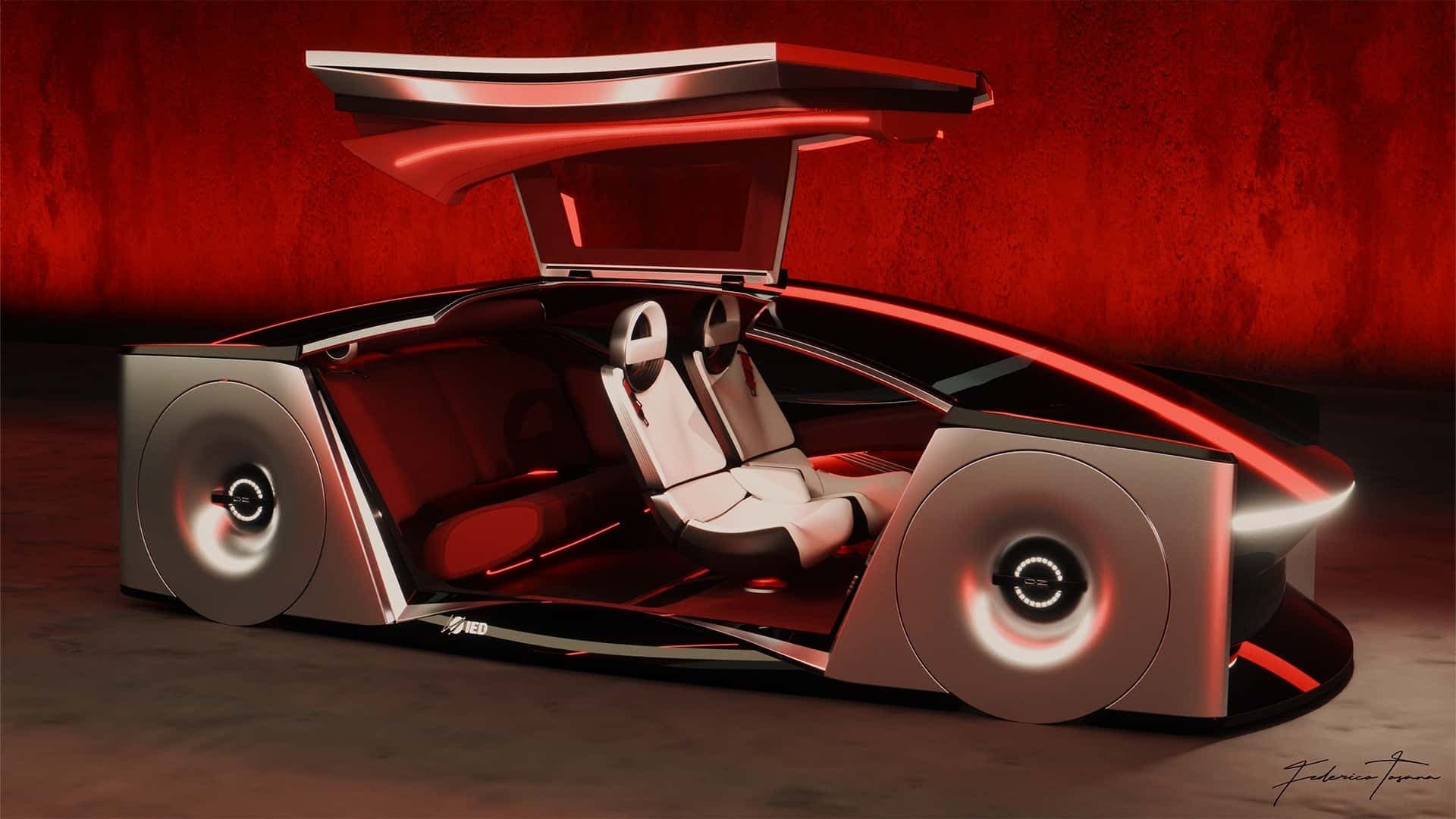
The project is based on the idea that, as autonomous driving advances and the steering wheel gradually loses its central role, the automobile could stop being just a means of transportation and turn into a space people actually inhabit. It is not a sports car designed around performance, but rather a vision of the car as a mobile environment where people can work, rest, or take a trip by simply entering a destination.
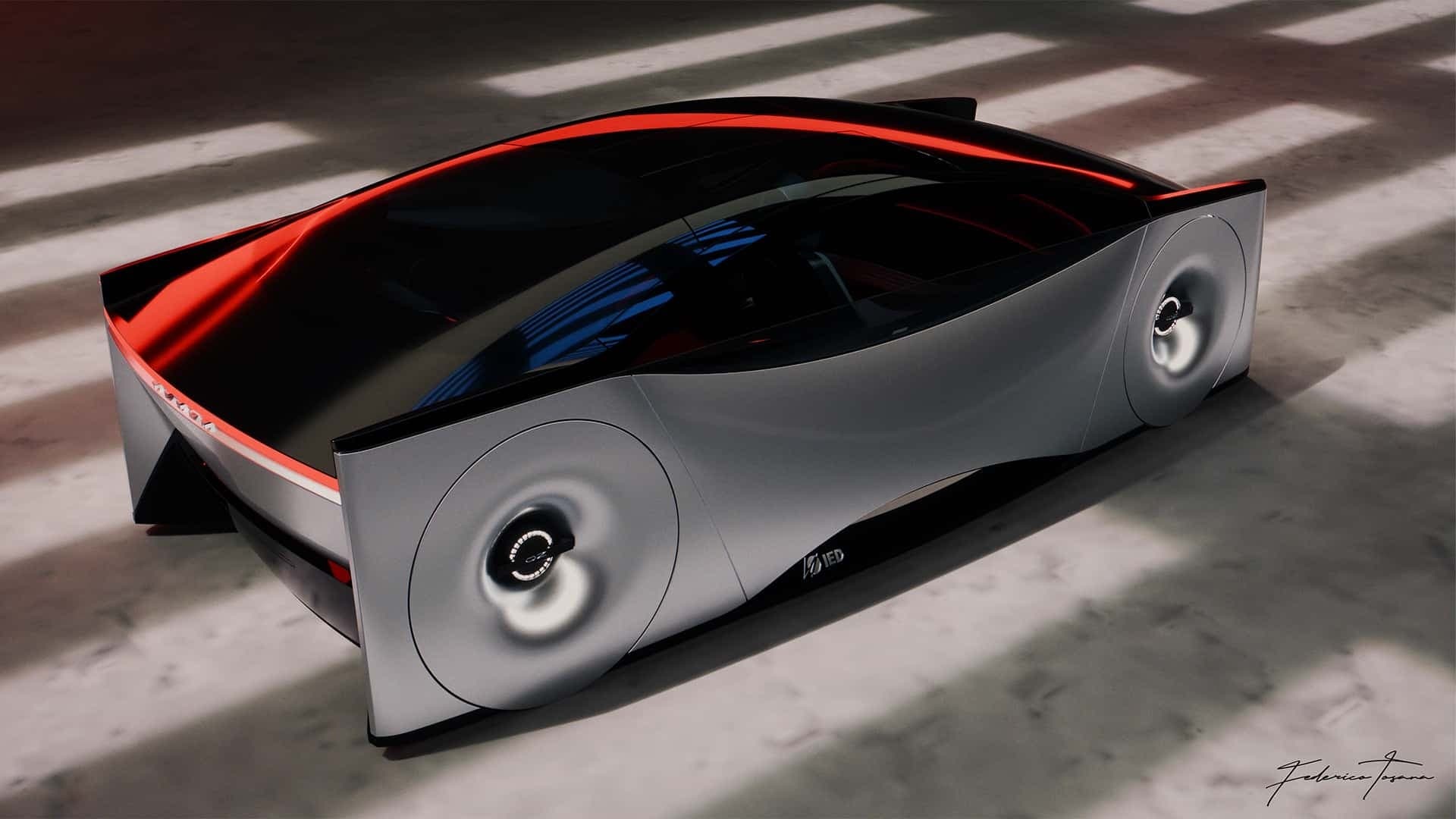
From a design standpoint, the body uses a deliberately restrained language, with smooth surfaces and essential volumes that make the exterior shell feel almost anonymous. The roof, windshield, and rear glass flow into one another without visible interruption. The wheels seem absorbed into the body, while the lighting elements shrink into minimal geometric shapes. That approach deliberately avoids visual drama and puts the focus entirely on what happens inside.
Inside the cabin, soft materials, calm colors, and carefully designed lighting create an atmosphere closer to a well-appointed office or a modern living room than to the interior of a traditional automobile. Technology is present, but it stays discreet. The designers integrated it without oversized screens or aggressive interfaces, following a philosophy that aims to turn travel time into something genuinely usable, whether that means working, relaxing, or simply enjoying the trip without doing anything else.
The creators say the concept should be seen as a reflection on the role of the automobile in cities that are moving more and more toward shared mobility and interconnected services. TIME is currently on display at the National Automobile Museum in Turin, where visitors can also follow the full creative process behind it, from physical models and material research to the digital tools used during development.