

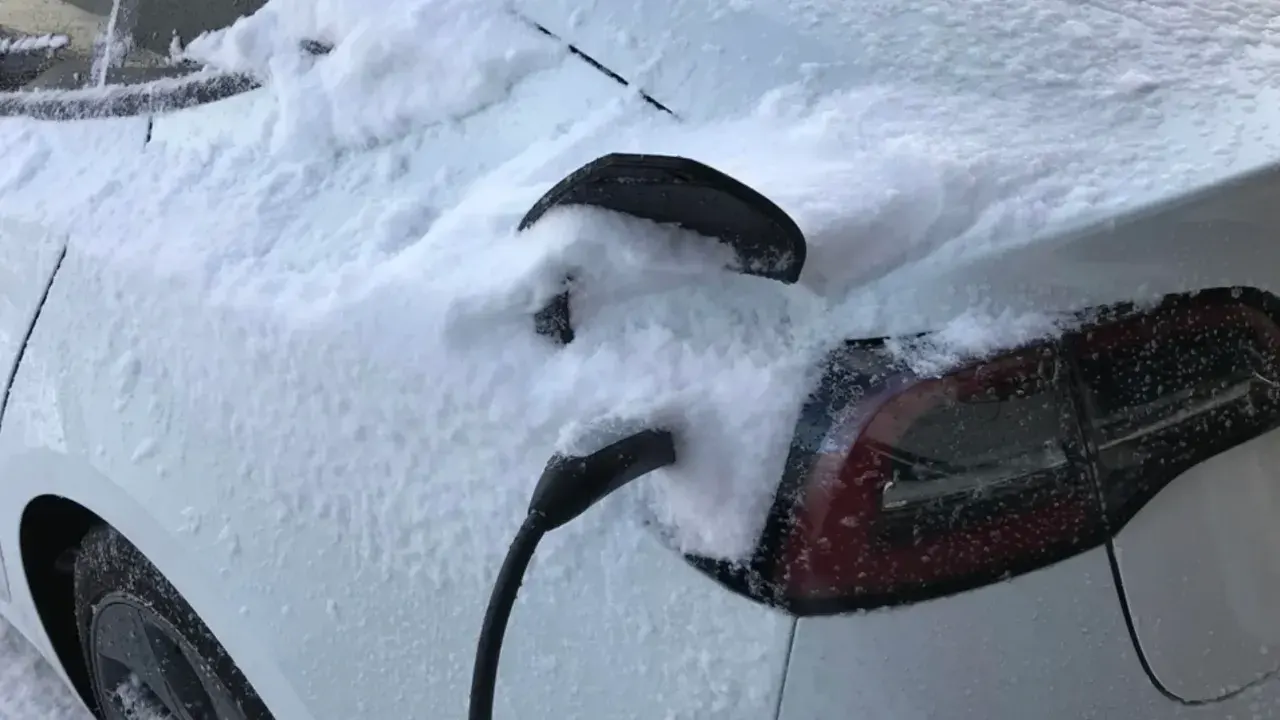
Tesla‘s latest 2026.2.3 update arrives with the kind of solution that makes you wonder why it took this long. A three-second door handle trick to release frozen charging cables. It’s the automotive equivalent of discovering you can open a jar by tapping the lid instead of wrestling it.
The new feature works exactly as simply as it sounds. Pull and hold the rear left door handle for three seconds, and the charging cable releases. No frozen fingers scrolling through touchscreen menus, no fumbling with a phone app while your hands turn into ice sculptures. Just pull, hold, wait. The car does the rest, provided it’s unlocked or recognizes a key nearby.
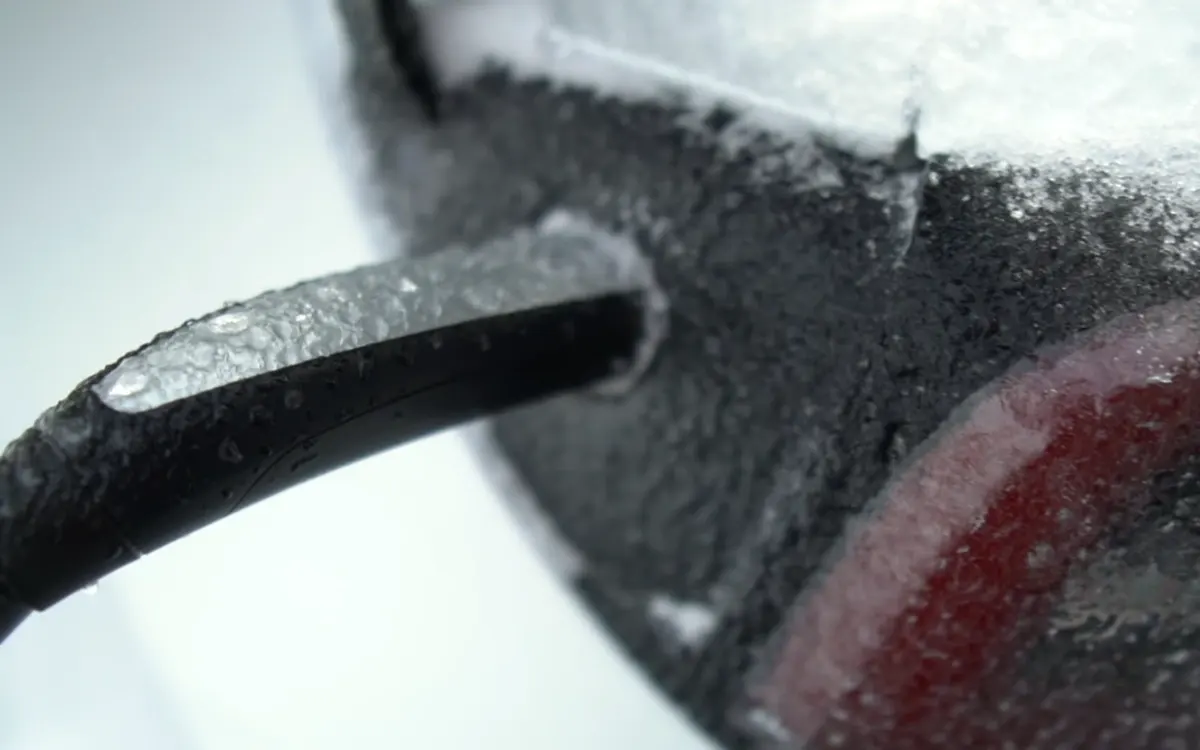
Tesla describes this as particularly useful when the charging handle button freezes over or an adapter gets stuck. Or when winter transforms your morning routine into a survival documentary. The feature places the solution right where you’re already standing, next to the charging port, instead of forcing drivers to retreat inside the vehicle or extract their phone with numb fingers.
Frozen charging ports have plagued electric vehicle owners in cold climates for years. Ice accumulates around the port door and locking mechanism, creating a physical barrier that no amount of software finesse can solve. Tesla has tried addressing this before through software tweaks to the latch behavior and adding charge port defrost functions on newer models. But when ice physically locks things in place, software becomes remarkably useless.
The brilliance here isn’t technological sophistication. It’s practical convenience. Previously, drivers had to pull out their phone, remove gloves, open the app, and manually stop charging. Now they simply reach for something already within arm’s length. It’s almost disappointingly simple, which somehow makes it perfect.
This addition arrives as part of Tesla’s broader winter toolkit, joining battery preconditioning, heated seats, and remote climate control. Electric vehicles face genuine challenges in winter: batteries lose 10 to 30 percent efficiency in cold weather, heating drains power, and charging speeds slow until batteries warm up.