Tesla just pulled off one of its favorite corporate maneuvers: writing a check to make a public PR nightmare quietly go away. A confidential settlement retired three of the five primary plaintiffs, Marcus Vaughn, Titus McCaleb, and Monica Chatman, in the headline-grabbing Fremont racial discrimination lawsuit.
If Elon Musk is cracking open the non-alcoholic champagne, he might want to hold the foam. Case RG17882082 remains wide open, with two named plaintiffs still standing, roughly 580 black workers lining up to sue, and California’s Civil Rights Department gearing up for a full-on jury trial.
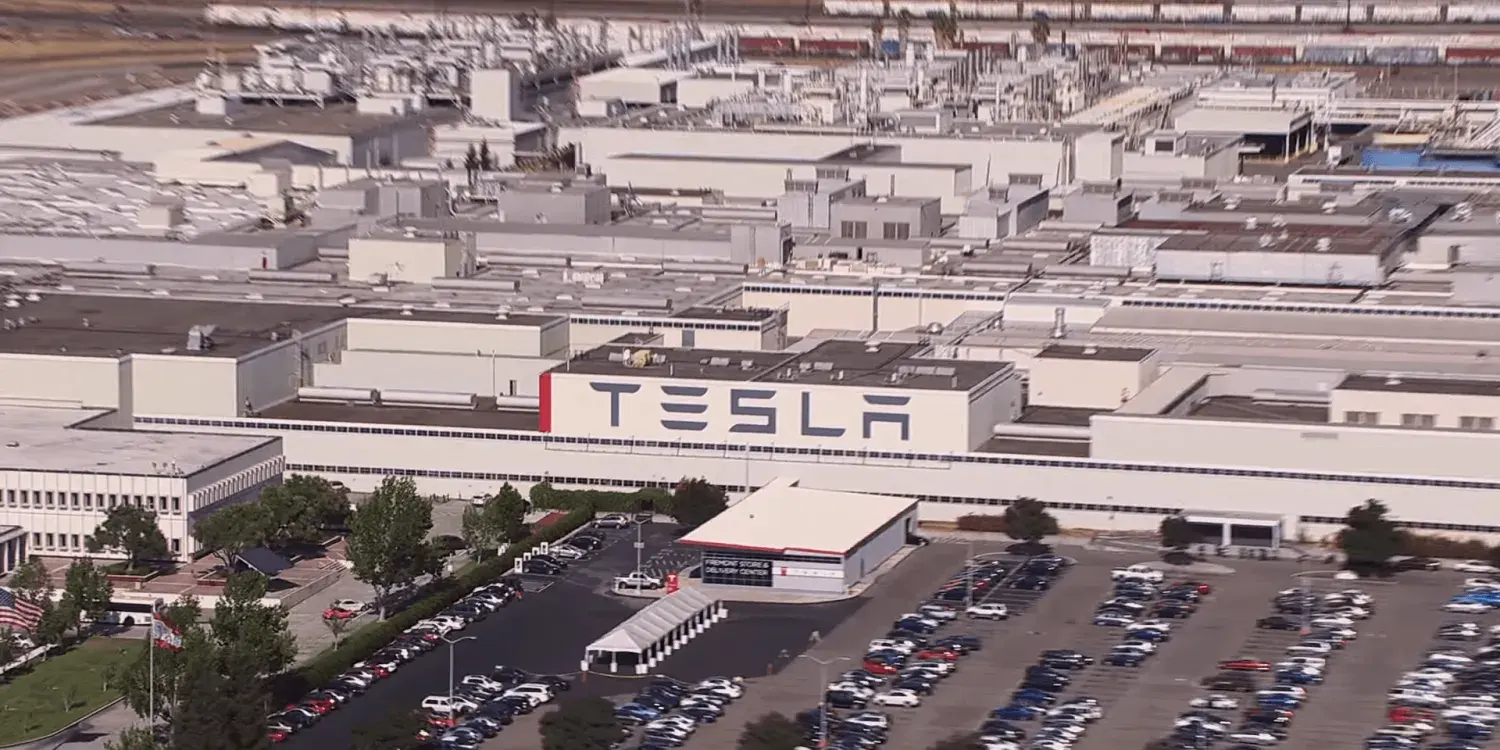
The legal maze originally began when class-action status covering 6,000 employees fell apart over trial-plan logistics. Instead of killing the conflict, it shattered one giant lawsuit into hundreds of relentless legal shrapnel pieces.
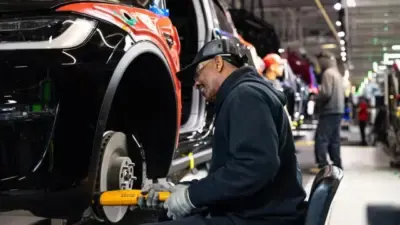
What is documented inside those filings is a horrific time machine set back to the Jim Crow era. Workers described the plant that built the Model 3 as “the plantation” and “the slaveship”, where production leads metaphorically “cracked the whip”. Unfiltered racial slurs were reportedly tossed around dozens of times a day, accompanied by swastikas, nooses scrawled on walls, and a segregated work area known internally by an explicit slur.
Tesla’s official defense? Complete denial, bolstered by declarations from 228 employees claiming they saw nothing, alongside Musk’s infamous 2018 advice that workers should simply be “thick-skinned” if someone is a jerk to them. Yet, the underlying numbers paint an indisputable picture of a systemic administrative collapse. Between 2018 and 2024, black workers at Fremont earned an average of $1,533 less per month than white colleagues, while HR staffing dwindled to a laughable ratio of one representative for every 740 employees.
While Tesla managed to push its federal EEOC lawsuit into hush-hush private mediation where notes get destroyed, the state’s lawsuit has real teeth. California’s Civil Rights Department defeated Tesla’s motion for summary judgment, clearing the way for an Oakland jury trial.
Having previously hit Tesla with a $137 million verdict in the Owen Diaz harassment case, Oakland juries have proven they don’t buy corporate hand-waving. Settling with three plaintiffs might buy temporary silence, but for the factory hailed as the crown jewel of EV manufacturing, the ultimate bill is still coming due.